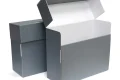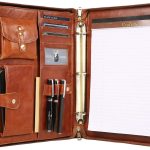




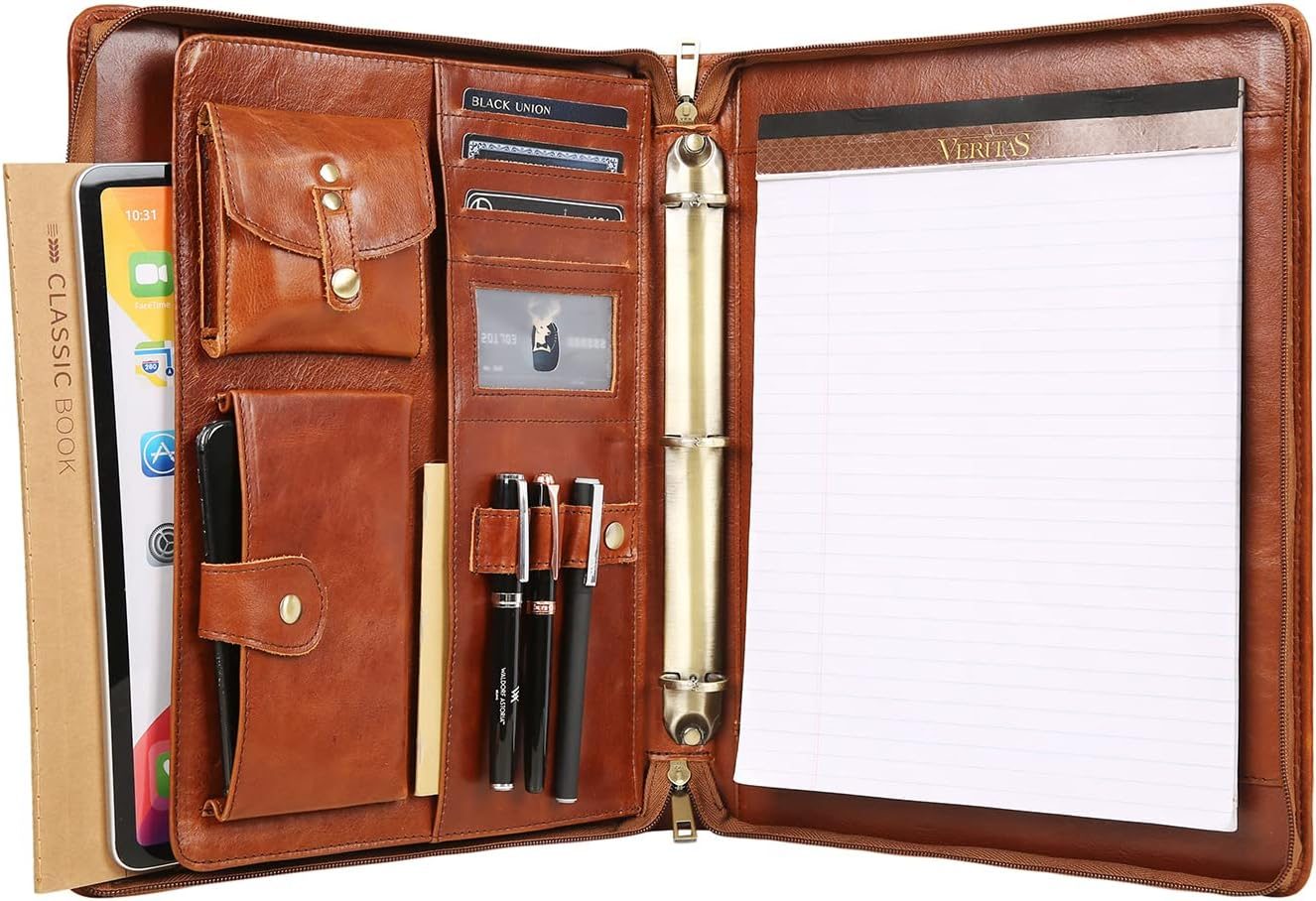
Innerspark.us – A leather-bound artist portfolio folder serves as the ultimate professional accessory for executive art presentations, combining sophisticated aesthetics with high-quality archival protection to showcase your work with authority. It acts as a tactile extension of your artistic brand, signaling to high-end clients or gallery directors that your creative output is a serious, curated investment.
The Psychology of Professional Presentation
In the world of executive-level art consulting and corporate design, the medium of delivery is often as important as the content itself. When you walk into a boardroom or a high-end studio, you are not just selling a piece of art; you are selling a vision. A flimsy plastic sleeve or a digital-only presentation lacks the sensory engagement that a premium leather folder provides.
The texture, the scent of genuine leather, and the weight of the portfolio create a subconscious signal of quality. It suggests that the artist values their work enough to house it in a vessel designed for longevity. Executives are accustomed to high-stakes environments where materials reflect status and precision. By utilizing a leather-bound portfolio, you align your presentation style with the expectations of your high-net-worth audience.
Selecting the Right Leather Portfolio
Not all leather portfolios are created equal. When selecting one for executive presentations, you must balance aesthetics with functional archival requirements. Look for full-grain leather, as it develops a unique patina over time, which adds character to your professional identity. Avoid synthetic or “bonded” leathers, as these tend to peel and crack after minimal handling, which can leave a poor impression during a long-term professional relationship.
Furthermore, consider the binding mechanism. Ring-bound portfolios offer the most flexibility, allowing you to swap out individual sheets based on the specific needs of the client or the project. Conversely, screw-post bound folders offer a more minimalist and sleek look but require more time to update. Choose based on how frequently your portfolio content evolves.
Comparison of Portfolio Materials
| Material Type | Durability | Professional Appeal | Maintenance |
|---|---|---|---|
| Full-Grain Leather | Excellent | High/Premium | Requires conditioning |
| Vegan/Faux Leather | Moderate | Medium | Low maintenance |
| Polypropylene/Plastic | Low | Low | None |
| Canvas/Fabric | High | Casual/Creative | Spot clean only |
Steps to Curating a Winning Executive Portfolio
The success of your presentation relies heavily on the layout and flow of your work. An executive presentation should be lean, focused, and impactful. Follow these steps to prepare your leather-bound folder for your next meeting:
- Select your strongest ten pieces that align specifically with the client’s interests or the project requirements.
- Print your artwork on high-quality, archival-grade matte paper to prevent distracting glare under boardroom lighting.
- Use acid-free, clear protective sleeves to ensure your prints remain pristine during repeated viewings.
- Organize your work in a logical narrative sequence, starting with your most impressive piece and closing with a strong, memorable final image.
- Include a clean, professionally printed CV or artist statement on high-weight cardstock at the very back of the folder for reference.
Common Mistakes in Art Presentation
One of the most frequent errors artists make is overstuffing their portfolio. An executive presentation should be a curated highlight reel, not an exhaustive archive of every sketch you have ever produced. When a portfolio is too thick, it becomes cumbersome, loses its sleek profile, and overwhelms the viewer. Aim for quality over quantity; if a piece does not support the specific narrative of your presentation, leave it out.
Another mistake is neglecting the condition of the protective sleeves. Even if the leather folder is pristine, scratched or dusty plastic inserts will immediately cheapen the look of your artwork. Always wipe down the inserts with a microfiber cloth before a meeting and replace them immediately if you notice any signs of cloudiness or scratching.
The Importance of Archival Standards
When presenting to executives, you may be dealing with art collectors or gallery owners who are highly sensitive to the preservation of physical media. Always ensure that your portfolio materials are acid-free and pH-neutral. This detail demonstrates that you understand the technical side of art collecting. It builds trust, as the client knows that your work is not just beautiful, but also stable and well-cared for.
If you are presenting photography or digital prints, ensure they are printed using pigment-based inks rather than dye-based inks to maximize lightfastness. This level of technical consideration distinguishes a professional artist from an amateur and reinforces your value proposition during price negotiations.
Frequently Asked Questions
Q: Should I choose a zippered or open-style leather portfolio?
A: A zippered portfolio offers superior protection during transit, which is ideal if you travel frequently. However, an open-style or flap-closure portfolio provides a more elegant, traditional aesthetic for in-office presentations.
Q: How do I maintain the leather exterior of my portfolio?
A: Use a high-quality leather conditioner every six months to prevent the material from drying out. Avoid storing the portfolio in direct sunlight or damp areas to prevent discoloration and mold growth.
Q: Is it necessary to have my name embossed on the cover?
A: Subtle, blind-embossed branding (where the leather is pressed without ink) can look very professional and personalized. Avoid flashy gold or silver foil unless it aligns perfectly with your specific brand identity.
Final Considerations for Success
Ultimately, your leather-bound portfolio is a tool for storytelling. It frames your work, sets the tone for the interaction, and demonstrates your commitment to professionalism. By investing in a high-quality folder and curating your content with intention, you create a seamless experience that allows your art to speak for itself. Remember that in an executive setting, the presentation is the bridge between your creative vision and the client’s commercial or aesthetic objectives.
📷 Photo by amazon.com