


Innerspark.us – Archival art tape is engineered with acid-free, pH-neutral adhesives that preserve paper integrity over time, whereas standard masking tape contains acidic rubber-based adhesives that yellow, embrittle, and permanently stain artwork.
Choosing the right adhesive for mounting or repairing art is a decision that determines whether a piece will last for decades or deteriorate within a few years. Many artists and collectors mistakenly reach for household masking tape because it is convenient and inexpensive. However, the chemistry behind these two products is fundamentally different, and the consequences of using the wrong one are often irreversible.
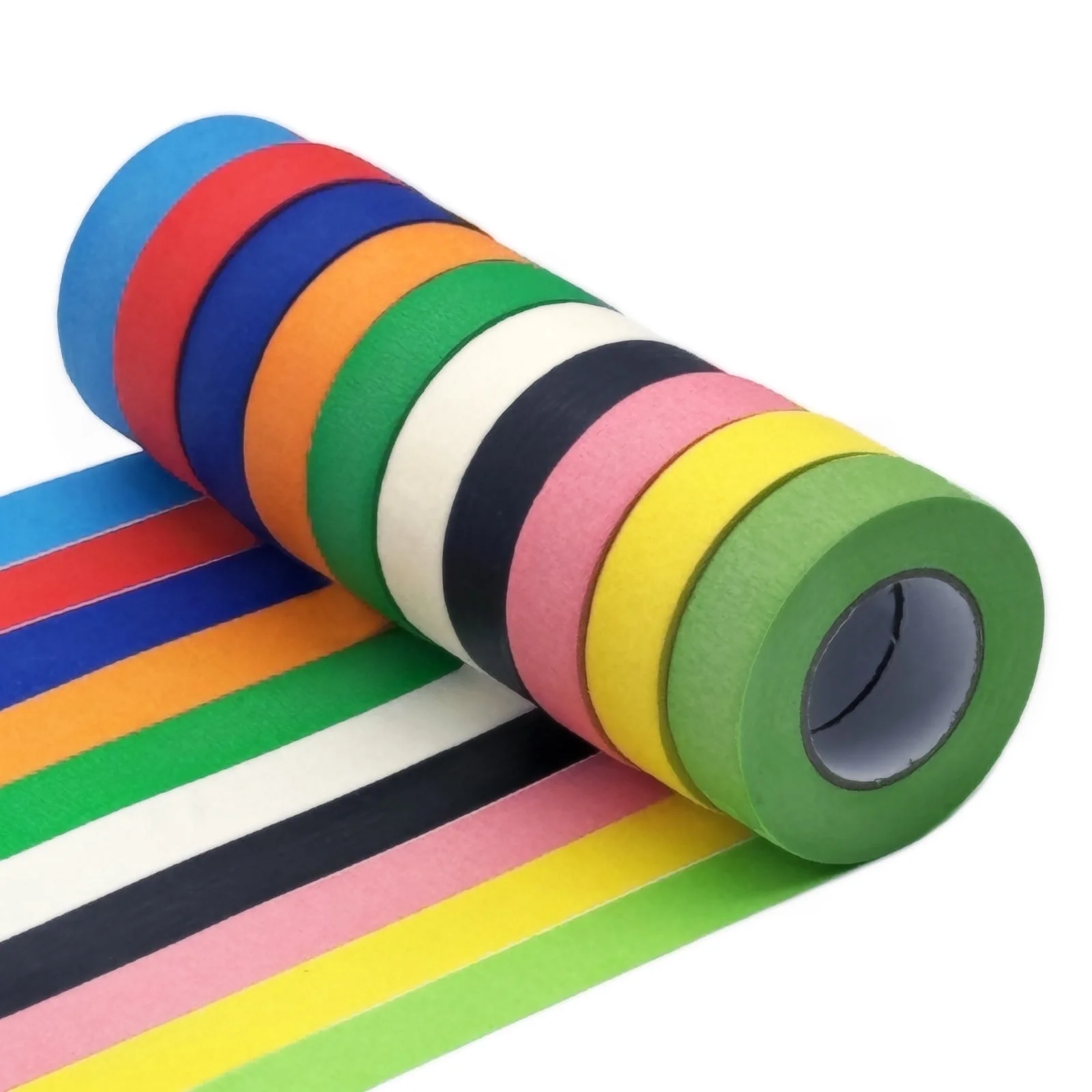
📷 Photo by walmart.com
The Chemical Difference: Why Masking Tape Fails
Standard masking tape is designed for temporary industrial or construction use, such as painting walls or bundling items. Its adhesive is typically a rubber-based pressure-sensitive compound. While this makes it tacky and strong, it is not chemically stable. Over time, the adhesive releases acidic byproducts that migrate directly into the cellulose fibers of paper.
This migration process causes a phenomenon known as acid burn. You have likely seen this if you have ever peeled off old tape to find a dark, yellow, or brown residue that cannot be removed. This staining is not just cosmetic; it is the physical degradation of the paper structure. Once the acid has compromised the fibers, the paper becomes brittle, eventually cracking or crumbling at the touch.
The Archival Advantage
Archival art tape, such as gummed linen tape or acid-free paper tape, is designed for long-term preservation. These products use stable adhesives, often starch-based or acrylic-based, that do not break down or leach into the substrate. They are specifically tested to be pH-neutral, ensuring that they do not alter the chemistry of the artwork they are meant to support.
Furthermore, archival tapes are often reversible. This is a critical principle in museum-quality conservation. Reversibility means that if a repair needs to be undone or an item needs to be remounted in the future, the tape can be removed—usually with a bit of moisture or controlled heat—without damaging the original artwork. Masking tape, by contrast, creates a permanent bond that eventually fuses with the paper, making professional removal nearly impossible without causing significant fiber loss.
Comparison of Adhesive Properties
| Feature | Masking Tape | Archival Art Tape |
|---|---|---|
| Adhesive Base | Rubber/Solvent | Starch or Stable Acrylic |
| pH Level | Acidic | Neutral/Alkaline Buffered |
| Longevity | Short-term (weeks) | Long-term (decades) |
| Reversibility | None (leaves residue) | High (water or heat removable) |
| Aging Effect | Yellowing and embrittlement | Stable and non-staining |
Common Mistakes When Mounting Art
The most common mistake is assuming that “strong” is better. Many people use masking tape because they want to ensure their art stays firmly attached to a backing board. However, art mounting should be about stability, not maximum adhesion. Using a tape that is too strong can actually cause the paper to buckle as it expands and contracts with changes in humidity, because the tape prevents the paper from moving naturally.
Another error is applying tape across the entire edge of a print. Professional framers use “hinging” techniques, which allow the artwork to hang from the top edge only. This gives the paper room to breathe and expand, preventing the waves and ripples often seen in poorly mounted works.
How to Properly Hinge Artwork
Following a professional hinging process ensures that your art remains secure without being damaged by the mounting material. Here is the standard procedure for using archival gummed tape:
- Cut two small strips of archival paper tape, ensuring they are long enough to provide support but not overly large.
- Lightly moisten the adhesive side of the tape with a small amount of distilled water using a clean brush; avoid soaking the tape, as excess water can cause the paper to warp.
- Apply the tape to the back of the artwork at the top edge, leaving about half of the tape extending upward.
- Allow the hinges to dry completely under a light weight before attempting to attach the artwork to the backing board.
- Once dry, attach the extending portion of the hinges to the mounting board using the same process, ensuring the art is perfectly aligned.
Identifying Damage
If you have older artwork stored with masking tape, check for signs of damage immediately. Look for “halo” effects—darker outlines around the edges where tape was applied. If the paper feels dry, crispy, or shows signs of cracking when you gently flex it, the acid from the tape has likely already begun to migrate. In these cases, it is best to consult a professional paper conservator rather than attempting to remove the tape yourself, as the brittle paper may tear easily.
Preventative Care Tips
Prevention is always cheaper than restoration. If you are storing or framing artwork, always verify that your materials are marked “acid-free” or “archival.” Avoid using office supplies like cellophane tape or duct tape, as these are even more destructive than standard masking tape. Store your art in a cool, dry environment, as heat and high humidity accelerate the chemical reactions that cause tape adhesives to break down.
Q: Can I use masking tape if I plan to remove it in a few days?
A: Even over a few days, masking tape can leave a sticky residue or pull off delicate surface fibers from high-quality art paper. It is safer to use low-tack artist’s drafting tape or simply avoid tape entirely by using photo corners.
Q: What should I do if I find old masking tape on a valuable print?
A: Do not pull the tape off, as this will likely tear the paper. Take the item to a professional conservator who can use specialized solvents or heat tools to safely dissolve the adhesive without harming the artwork.
Q: Is all archival tape the same?
A: No. There are different types for different needs, such as linen tape for heavy items or delicate tissue tape for translucent papers. Always choose a tape specifically rated for the weight and type of your artwork.
Investing in the correct materials is an essential part of being an artist or collector. By moving away from masking tape and adopting archival standards, you protect the longevity of your work and ensure that your creative efforts can be enjoyed for generations to come.
📷 Photo by walmart.com