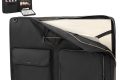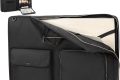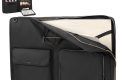
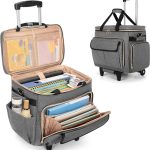




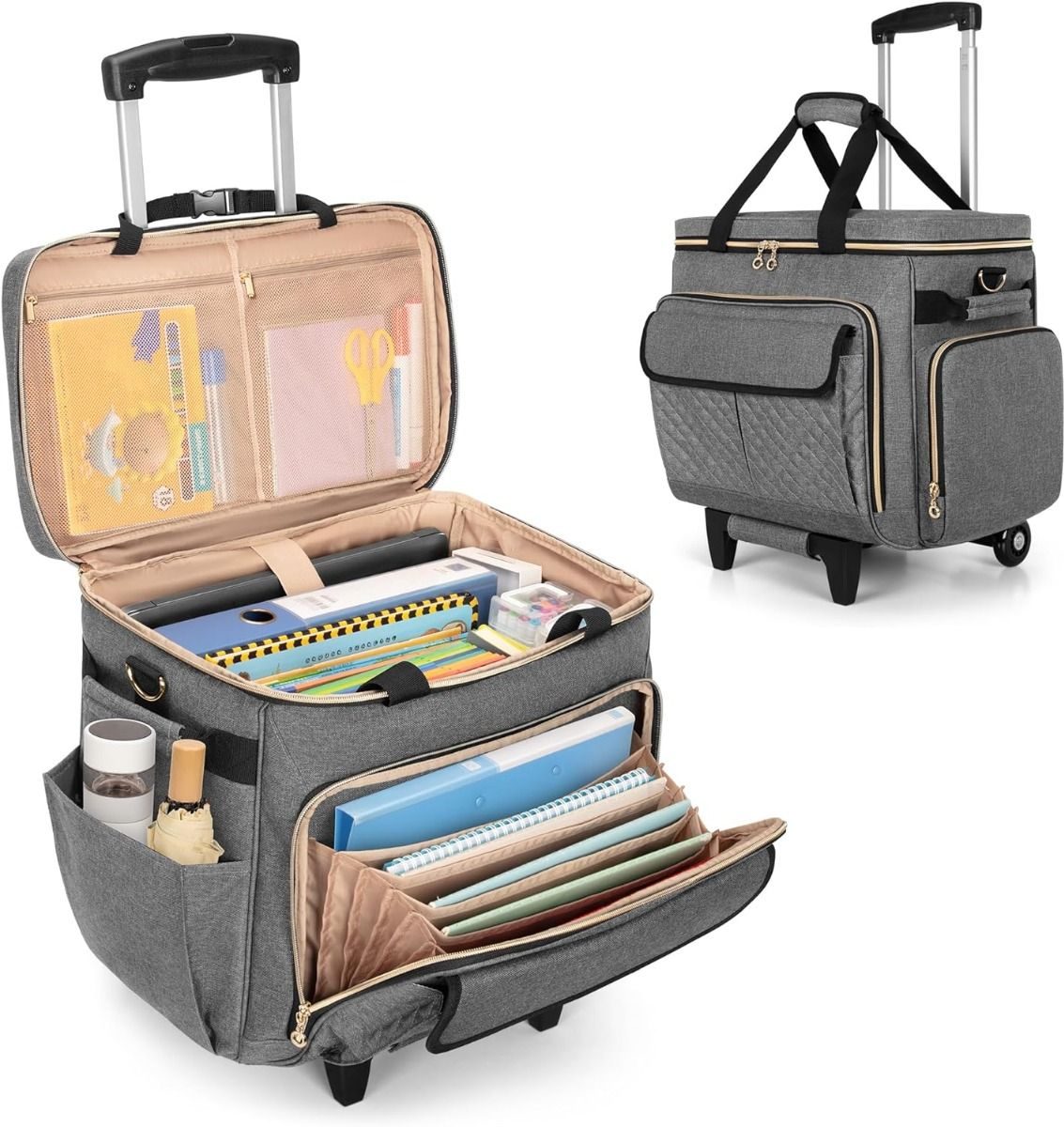
Innerspark.us – A rolling artist portfolio case with wheels is an essential professional tool that prevents physical strain by transferring the weight of heavy art supplies from your shoulders to a durable, maneuverable chassis. It serves as a mobile studio, allowing artists to transport large canvases, paper pads, and heavy paints securely without risking damage or personal injury.
The Evolution of Artist Mobility
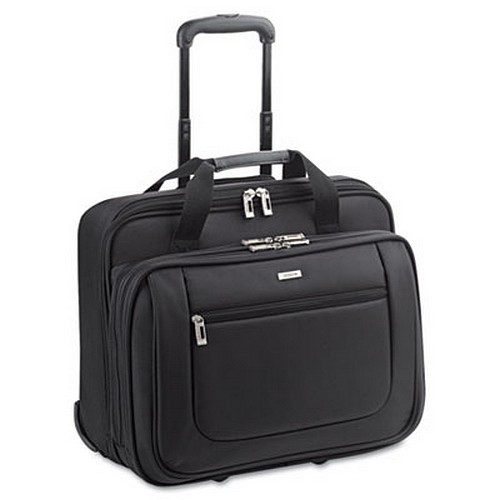
📷 Photo by store.armyproperty.com
For decades, artists struggled with oversized, flimsy portfolios that were difficult to carry during commutes or gallery visits. The introduction of wheeled portfolio cases changed the industry, providing a structural solution to the problem of weight distribution. When carrying heavy materials like wet canvas, stone carving tools, or extensive collections of glass jars of paint, standard shoulder straps often cause back pain and uneven weight distribution.
A high-quality rolling case is not merely a bag; it is a piece of protective equipment. These units are typically constructed with rigid frames or impact-resistant shells that prevent the warping of expensive paper or the puncturing of stretched canvases. By incorporating telescoping handles and smooth-glide wheels, the modern artist can transition from a subway platform to a studio space with minimal effort.
Evaluating Your Storage Needs
Choosing the right case depends heavily on the specific nature of your art supplies. If you work primarily in large-scale oil painting, you need a case with a deep profile and weather-resistant lining. If you are a graphic designer or illustrator, a case with specialized internal organizers and archival-safe pockets is more appropriate. Below is a breakdown of the common features found in professional-grade rolling portfolios.
| Feature | Benefit for Heavy Supplies | Maintenance Tip |
|---|---|---|
| Reinforced Chassis | Prevents sagging under heavy loads | Inspect bolts every 6 months |
| Ball-Bearing Wheels | Reduces friction on rough terrain | Clean debris from axles regularly |
| Archival Lining | Protects paper from moisture/acid | Wipe down with dry cloth only |
| Telescoping Handle | Adjusts for ergonomic pulling | Do not use to lift the entire unit |
Common Risks of Improper Transport
Many artists make the mistake of overloading their cases beyond the manufacturer’s weight limit. While the wheels may handle the pressure, the internal frame often bears the brunt of the load. Over-stuffing a case can lead to the “accordion effect,” where the contents press against each other, causing smudging on charcoal drawings or dents in canvas edges. Furthermore, dragging a heavy case over curbs or uneven stairs can cause vibration damage to delicate pigments or glass-based supplies.
Step-by-Step Guide to Packing for Maximum Protection
Packing a rolling portfolio requires a balance of weight distribution and structural integrity. Follow these steps to ensure your supplies remain safe during transit.
- Place the heaviest, flattest items, such as drawing boards or large pads, at the very bottom of the case to lower the center of gravity.
- Layer protective acid-free glassine paper between every individual piece of artwork to prevent color transfer or surface sticking.
- Distribute your heavy paint tubes or tool pouches toward the center of the case, ensuring they do not press directly against the corners of your canvases.
- Use internal compression straps to secure all items firmly; loose items shifting inside the case are the leading cause of damage during transit.
- Perform a “tilt test” before leaving: lift the case slightly to ensure no items are sliding or thumping against the sides when the unit is in motion.
Selecting the Right Wheels for Your Environment
Not all wheels are created equal. For artists living in urban environments, rubberized, oversized wheels are superior because they absorb shock from cracked sidewalks and cobblestones. Smaller, hard plastic wheels are only suitable for smooth gallery floors or indoor studio environments. If you frequently travel by train or bus, consider a case with a “four-wheel spinner” design, which allows you to move the case upright alongside you rather than dragging it behind you at an angle, further protecting your wrist and shoulder alignment.
Addressing Humidity and Temperature
Your rolling case should act as a micro-climate for your supplies. When moving from a cold outdoor environment into a warm gallery or home, avoid opening your case immediately. Rapid temperature changes can cause condensation to form on canvases or inside paint tubes, potentially ruining a project. Allow the case to acclimate to the room temperature for at least thirty minutes before unpacking your materials.
Q: Can I take a large rolling portfolio on an airplane?
A: Most standard rolling portfolios exceed carry-on dimensions. It is highly recommended to check them as oversized luggage, preferably inside a hard-shell protective crate, or use a smaller, TSA-approved portfolio for essential supplies.
Q: How do I clean the interior of my portfolio?
A: Use a vacuum attachment to remove dust and debris from corners. For spills, use a soft cloth dampened with water and a tiny amount of mild detergent, then leave the case open in a well-ventilated area until it is completely dry.
Q: Is it better to have a hard-shell or soft-shell case?
A: Hard-shell cases provide superior protection against impacts and crushing, which is vital for delicate work. Soft-shell cases are lighter and more flexible, making them better for artists who need to squeeze their case into tight storage spaces.
Final Considerations for Longevity
Investing in a rolling portfolio is an investment in your career longevity. By reducing the physical toll of transporting heavy equipment, you ensure that you have more energy for the actual creative process. Always prioritize models with replaceable wheels and handles; these are the parts that will experience the most wear. When stored at home, keep the case in an upright position in a cool, dry area to prevent the frame from warping over time.
📷 Photo by pinterest.com