




Innerspark.us – Acid-free archival tissue paper is the gold standard for protecting artwork during international transit because it is chemically stable, prevents acid migration, and eliminates the risk of yellowing or damaging delicate surfaces over time.
When transporting artwork across borders, the primary enemy is not just physical impact, but chemical degradation. Standard wrapping materials, such as newspaper or acidic tissue paper, contain lignin and sulfur. Over time, these chemicals off-gas and migrate into the artwork, causing permanent staining, brittleness, and fading. For an artist, collector, or gallery professional, using archival-grade, acid-free, and buffered (or unbuffered) tissue paper is the most cost-effective insurance policy available.
Understanding Archival Standards
📷 Photo by amazon.com
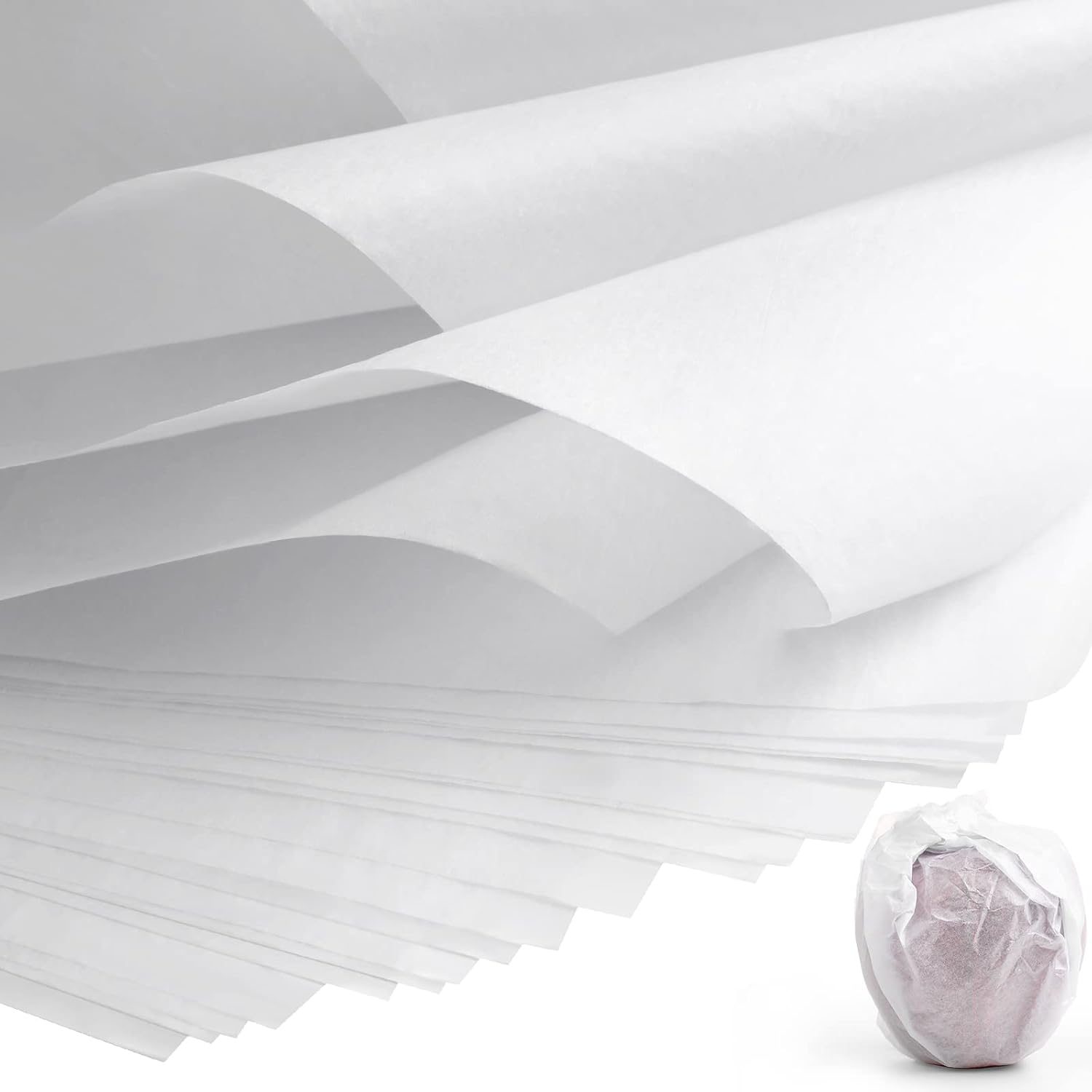
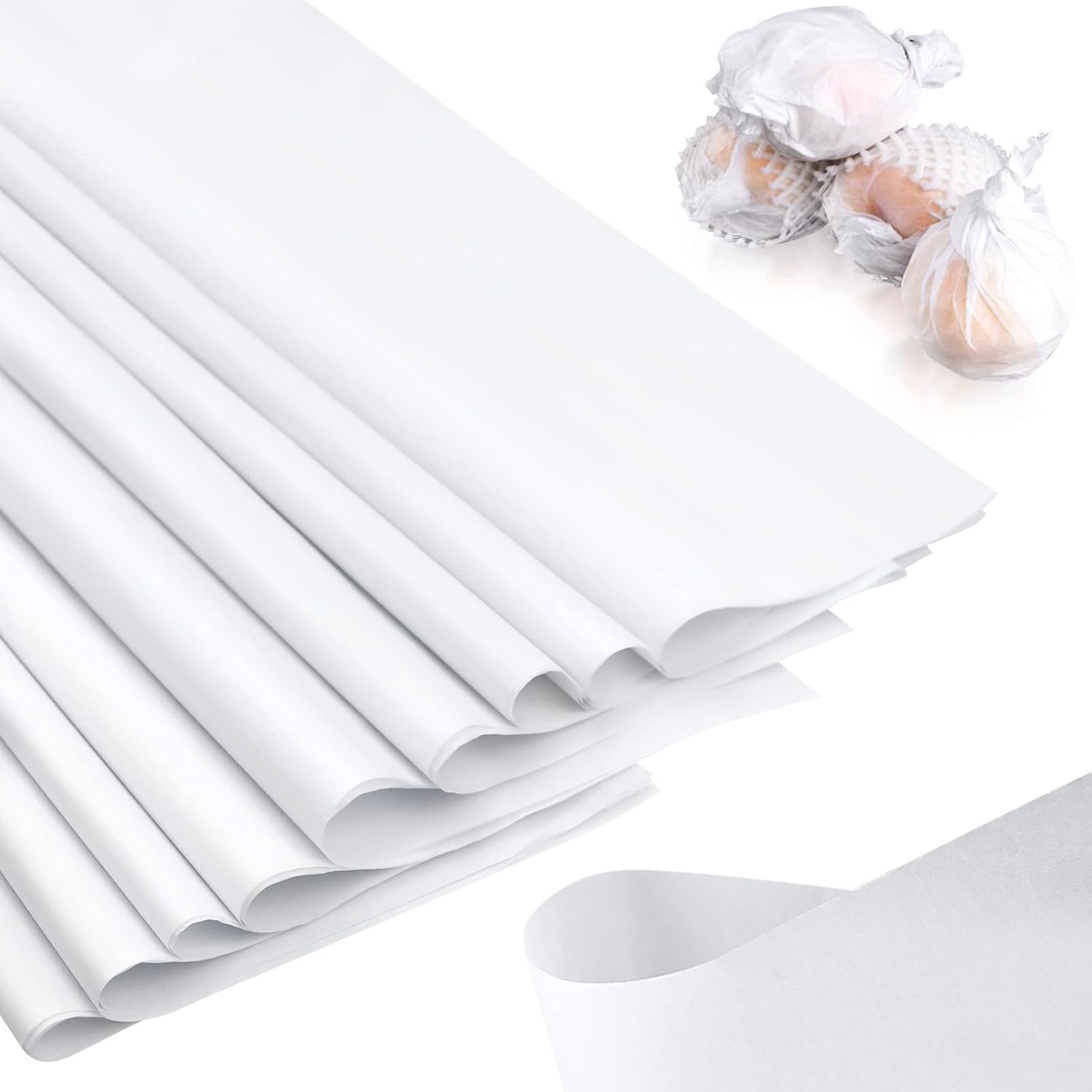
Not all tissue paper is created equal. When shopping for packing supplies, you must look for the term “acid-free” and “lignin-free.” Acid-free paper has a neutral pH of 7.0 or higher. Lignin is a natural polymer found in wood pulp that breaks down into acid over time; therefore, high-quality archival paper is typically made from cotton fibers or purified wood pulp that has had the lignin removed. This ensures that the paper remains inert even in the fluctuating humidity levels often found in aircraft cargo holds.
Choosing Between Buffered and Unbuffered Tissue
The choice between buffered and unbuffered tissue depends entirely on the medium of the artwork. Buffered paper contains a small amount of calcium carbonate, which acts as an alkaline reserve to neutralize acid over time. However, this buffer can be harmful to specific types of art. Use the following table to determine which type is appropriate for your shipment.
📷 Photo by amazon.com
| Artwork Medium | Recommended Tissue Type | Reasoning |
|---|---|---|
| Oil Paintings (Canvas) | Buffered | Provides long-term protection against acidic contaminants. |
| Black and White Photographs | Unbuffered | Chemical buffers can interfere with the silver halides in photos. |
| Textiles and Silks | Unbuffered | Alkaline buffers can damage delicate protein-based fibers. |
| Watercolors and Drawings | Buffered | Helps neutralize atmospheric pollutants during transit. |
Step-by-Step Packing Guide for International Transit
Packing art for overseas travel requires a layered approach. The tissue paper acts as the first line of defense, serving as a breathable barrier between the art and the secondary protective layers like bubble wrap or glassine.
- Clean the workspace thoroughly to ensure no dust or debris is trapped against the artwork, as these particles can cause abrasions during vibration.
- Lay the artwork flat on a clean, stable surface. If the piece is a painting on canvas, ensure the paint is fully cured.
- Gently wrap the artwork in a single layer of acid-free tissue paper. Do not tape the tissue to the art; use small, archival-safe paper clips or fold the edges neatly to hold it in place.
- Add a layer of glassine paper over the tissue if the artwork has a fragile or impasto surface; glassine is smooth and prevents fibers from the tissue from snagging on the paint.
- Place the wrapped art between two sheets of archival-grade foam board or rigid cardboard, ensuring the edges of the board extend slightly beyond the artwork.
- Seal the outer edges of the foam board with acid-free tape, then proceed to wrap the entire sandwich in bubble wrap for impact protection before placing it into a heavy-duty, climate-controlled shipping crate.
Common Mistakes to Avoid
A frequent error made by inexperienced shippers is using adhesive tape directly on the artwork or the tissue paper covering it. Even if the tape is labeled as “archival,” the adhesive can pull at the surface of the art when removed, especially after a long flight where temperature changes might cause the adhesive to become tacky or brittle. Always secure your tissue paper by folding it around the piece like a gift, keeping the tape entirely on the outer secondary packaging.
Another mistake is wrapping the art too tightly. Artwork needs to breathe. If the tissue paper is wrapped with excessive pressure, it can compress delicate textures or trap moisture against the surface. If you are shipping to a humid climate, consider including a small packet of silica gel inside the outer crate—but never inside the tissue wrap itself—to manage moisture levels during the journey.
The Risk of Humidity and Temperature Swings
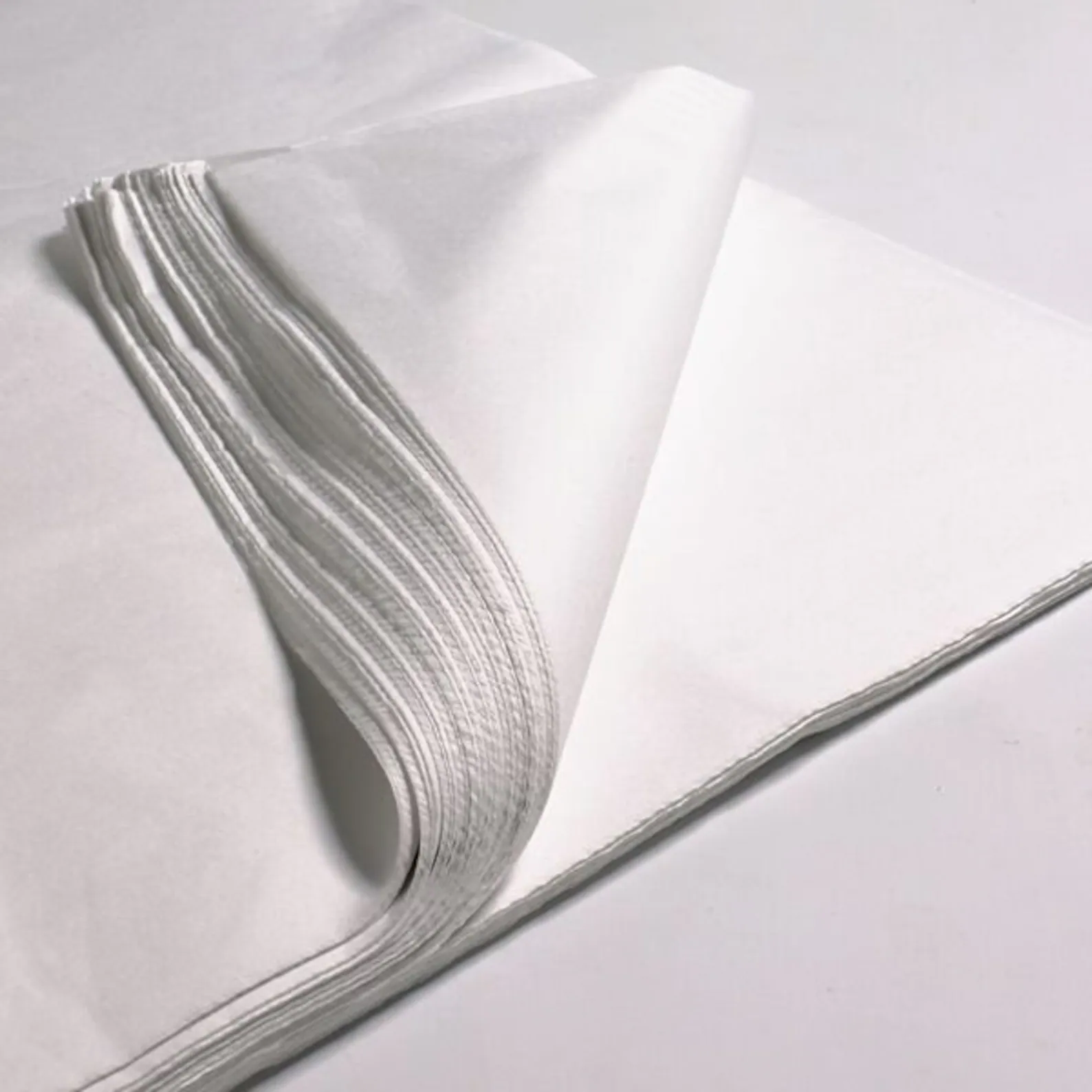
International travel involves significant altitude changes and transitions through various climate zones. Acid-free tissue paper serves as a buffer against these rapid changes. It is hygroscopic, meaning it can absorb and release moisture, which helps to stabilize the micro-environment directly surrounding the artwork. By wrapping your pieces in multiple light layers of tissue, you create a thermal barrier that slows down the rate of temperature change, giving the artwork a chance to acclimate more gradually to the new environment upon arrival.
📷 Photo by etsy.com
Frequently Asked Questions
Q: Can I reuse archival tissue paper for multiple shipments?
A: It is generally not recommended. Once tissue paper has been used, it may have collected dust, oils from your hands, or chemical residues from the previous journey. Use fresh, clean sheets for every international shipment to guarantee the integrity of your art.
Q: Does the color of the tissue paper matter?
A: Always opt for un-dyed, white, or off-white tissue paper. Colored tissue paper often uses dyes that can bleed or transfer onto the artwork if the package is exposed to moisture during transit, resulting in permanent staining.
Q: Is acid-free tissue enough protection on its own?
A: No. Acid-free tissue is designed to protect the surface from chemical damage and minor abrasions. It does not provide structural support or impact protection. It must always be used in conjunction with rigid outer packaging, such as a custom-built crate or a reinforced cardboard box, to survive the rigors of international shipping.
By prioritizing the quality of your packing materials and following a systematic approach to wrapping, you significantly reduce the risks inherent in international art transport. Investing in high-quality, acid-free archival tissue paper is not merely an expense; it is a fundamental practice in preserving the longevity and value of the artwork you are moving.
📷 Photo by amazon.com