


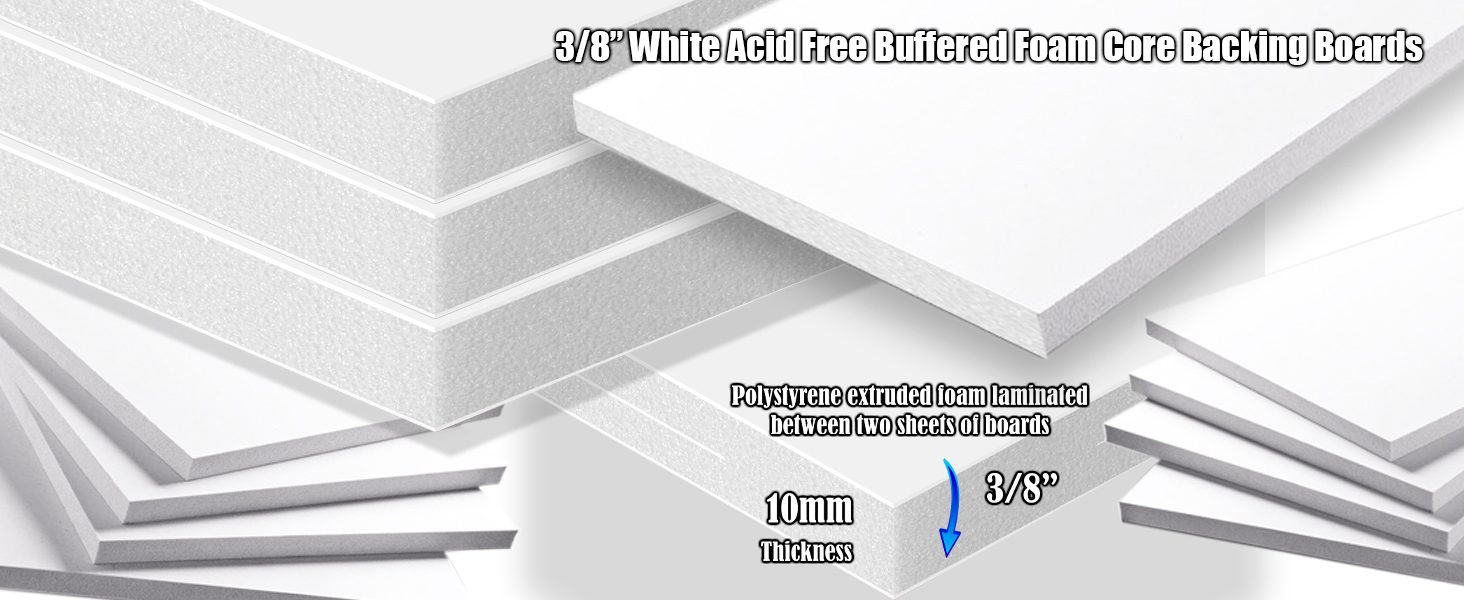
Innerspark.us – Archival backing boards protect artwork from environmental damage and physical warping, with self-adhesive foamcore offering speed and convenience for mounting, while standard foamcore provides a more reversible, chemically stable option for high-value conservation.
Selecting the right backing board is a fundamental step in the framing process that often goes overlooked by beginners. The choice between self-adhesive and standard foamcore impacts not only the aesthetic finish of your display but also the long-term preservation of the artwork itself. Understanding the distinction between these materials is essential for anyone dealing with prints, photographs, or delicate paper items.
Understanding Self-Adhesive Foamcore
Self-adhesive foamcore, often referred to as pressure-sensitive or heat-activated mounting board, comes with a pre-applied layer of adhesive on one side. This is designed for rapid mounting. You simply peel back a protective liner and press your artwork into place. It is a favorite among commercial framers and artists who need to turn around projects quickly without the hassle of dealing with wet glues or separate spray adhesives.
However, the convenience comes at a cost. Once an item is mounted to self-adhesive foamcore, it is essentially permanent. Removing the artwork later can cause irreparable damage to the paper fibers, especially if the adhesive has cured over several years. This makes it unsuitable for rare, antique, or high-value pieces where reversibility is a primary conservation requirement.
The Case for Standard Foamcore
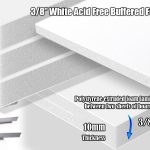
Standard foamcore consists of a core of extruded polystyrene foam sandwiched between two layers of paper. It does not have an adhesive layer, which means you must use mounting corners, hinges, or dry-mount tissue to secure your artwork. While this requires more labor and technical skill, it is the preferred method for archival framing.
The primary advantage here is the preservation of the artwork’s integrity. By using archival-grade mounting hinges or corners, you ensure that the artwork is not permanently altered. If a frame is damaged or the backing board eventually yellows, the artwork can be removed safely without residue or fiber tearing. For professional galleries and museum-quality presentations, standard foamcore—ideally acid-free—is the industry standard.
Comparison of Mounting Methods
| Feature | Self-Adhesive Foamcore | Standard Foamcore |
|---|---|---|
| Application Speed | Very Fast | Slow/Requires Skill |
| Reversibility | None (Permanent) | Fully Reversible |
| Best Use Case | Commercial Prints/Posters | Fine Art/Vintage Photos |
| Adhesive Risk | High (Chemical degradation) | Low (No adhesive) |
Common Mistakes to Avoid
One of the most frequent errors in framing is using standard, non-archival foamcore for valuable pieces. Standard foamcore often contains acidic components in the paper liners that will leach into the artwork over time, causing yellowing and brittleness. Always look for boards labeled as “acid-free” or “buffered.”
Another common mistake is applying too much pressure when mounting. If using a cold-mount press or rollers with self-adhesive boards, excessive pressure can crush the foam core, leaving visible indentations on the surface of the artwork. Always verify the manufacturer’s recommended pressure settings to maintain a smooth, professional appearance.
Step-by-Step Guide: Mounting Art with Standard Foamcore
For those prioritizing conservation, follow these steps to mount your artwork using the hinge method, which avoids adhesives on the art itself:
- Measure your artwork carefully and cut a piece of acid-free standard foamcore to size, ensuring it fits snugly within the frame rabbet.
- Position the artwork on the foamcore, ensuring it is centered.
- Use archival linen tape to create “hinges” at the top edge of the artwork. Attach the tape to the back of the artwork first, then fold it over to attach to the foamcore.
- Ensure the bottom of the artwork remains free-floating; this allows the paper to expand and contract with humidity changes without buckling.
- Place the matted artwork into the frame and secure it using frame points or flexible tabs.
Risks of Improper Mounting
The risks of choosing the wrong board go beyond mere aesthetics. When you mount a piece of art to a self-adhesive board, you are introducing a chemical adhesive layer that may degrade over time. As the adhesive breaks down, it can create “ghosting” or acid migration, where the chemical composition of the adhesive bleeds into the artwork. This leads to permanent staining that is often impossible to reverse without professional restoration.
Furthermore, temperature fluctuations can cause the foam core to expand or contract. If the artwork is glued down tightly across its entire surface, the paper will be unable to move, leading to “cockling” or rippling. By using a hinging method on a standard board, you allow the paper to breathe, which significantly extends the lifespan of the piece.
Frequently Asked Questions
Q: Can I use self-adhesive foamcore for limited edition prints?
A: No, it is highly discouraged. Limited edition prints should always be mounted using reversible, archival methods to maintain their value and prevent permanent chemical damage.
Q: Is all foamcore archival?
A: No. Many standard foamcore boards are acidic and will cause paper to yellow. Always check the packaging for labels such as “Acid-Free,” “pH Neutral,” or “Buffered” before purchasing.
Q: How do I know if my foamcore is warping?
A: Warping usually occurs due to humidity changes or poor storage. If the board is not properly braced by a frame or if it is exposed to extreme moisture, the foam core can lose its rigidity. Always store foamcore flat in a cool, dry environment.
Choosing between these two materials ultimately comes down to the value of the artwork and the desired longevity of the display. If the piece is decorative and replaceable, the speed of self-adhesive boards is a practical benefit. If the piece is an original, a family heirloom, or a collector’s item, the extra time required for standard foamcore and archival hinging is a necessary investment in preservation.
📷 Photo by amazon.com