




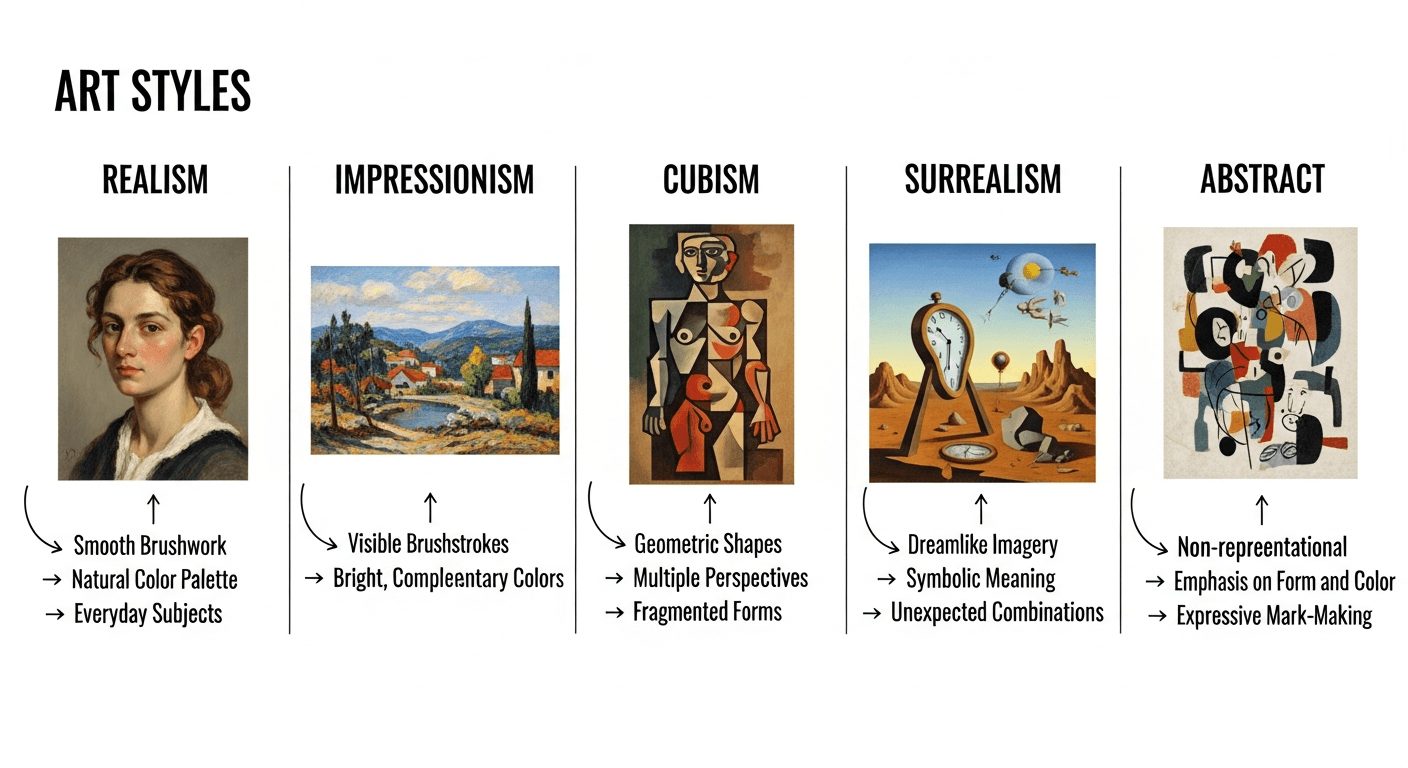
Innerspark.us – An illustration style guide is a centralized document that defines your visual identity, ensuring consistency in color palettes, line weights, and thematic elements across your portfolio to establish a professional and recognizable brand voice.
The Importance of Consistency in Creative Work
Consistency is the hallmark of a professional illustrator. When potential clients or art directors view your portfolio, they need to quickly identify your unique aesthetic. If your work looks like it was created by five different people, it creates confusion and dilutes your brand authority. A style guide acts as a blueprint, keeping your creative output focused while still allowing room for growth and experimentation.
Without a style guide, you risk drifting into disparate styles that make your portfolio feel disjointed. By documenting your rules, you save time during the creative process because you are not constantly reinventing your own visual language for every new project.
Core Components of an Illustration Style Guide
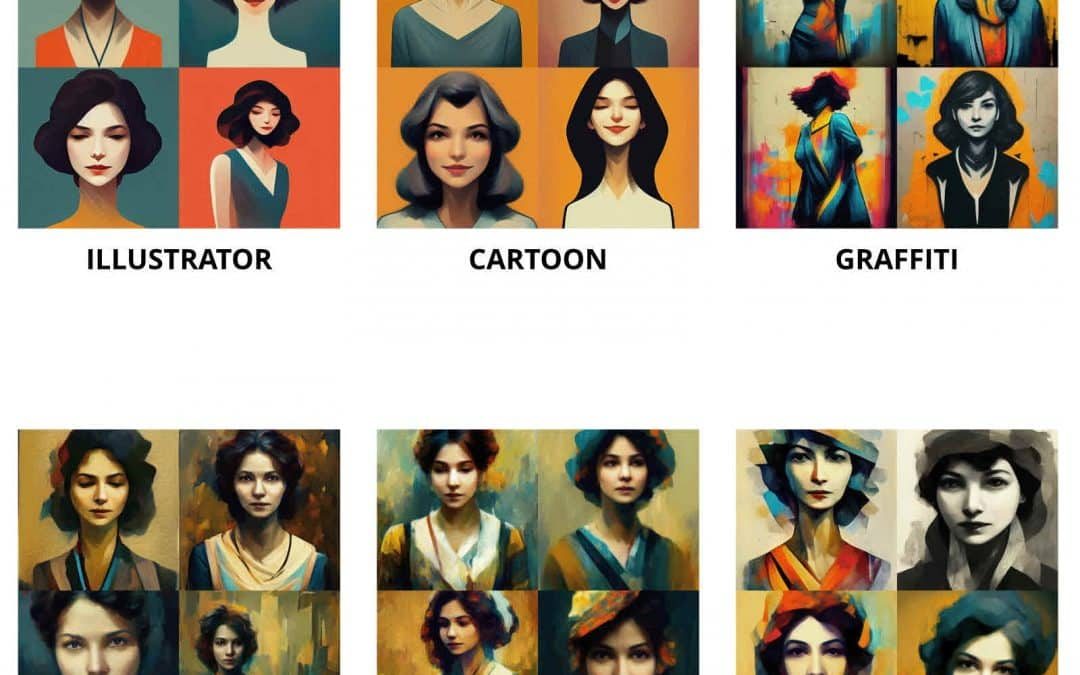
Your guide should cover the technical and conceptual aspects of your work. It is not meant to limit your creativity, but rather to provide a framework that makes your work instantly recognizable. Think of it as a set of guardrails that help you maintain your identity even when tackling diverse subjects or client briefs.
📷 Photo by storage.googleapis.com
| Component | Description | Purpose |
|---|---|---|
| Color Palette | Primary, secondary, and accent colors | Establishing mood and visual harmony |
| Line Quality | Weight, texture, and stroke style | Defining the structural feel of work |
| Composition Rules | Rule of thirds, negative space usage | Guiding the viewer’s eye effectively |
| Lighting & Shadow | Hard vs. soft edges, light source direction | Creating depth and dimension |
Steps to Build Your Style Guide
📷 Photo by prominentpainting.com
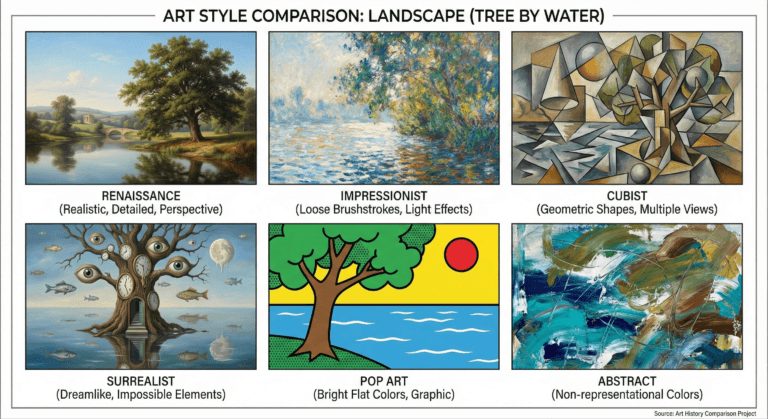
Creating your guide is an iterative process. You do not need to have all the answers on day one. Start by analyzing your existing work and identifying what makes you feel most satisfied as an artist.
- Audit your existing portfolio to identify recurring themes, colors, or techniques you naturally gravitate toward.
- Select your defining color palette, ensuring you have a mix of dominant, secondary, and highlight colors to maintain balance.
- Define your line and shape language, such as whether you prefer geometric, organic, thick, or thin lines.
- Create a small collection of “master” illustrations that perfectly represent your desired style to use as reference points.
- Document your decision-making process, including how you handle shading, texture, and background elements.
Avoiding Common Pitfalls
A common mistake is creating a style guide that is too rigid. If your guide is so strict that you feel trapped, you will eventually abandon it. Your style should evolve over time as you grow as an artist. Treat your guide as a living document that you update annually to reflect your current skills and aesthetic interests.
Another risk is over-engineering the guide. You do not need a hundred-page brand manual. For an illustrator, a simple digital document or a dedicated folder with reference assets is often enough. Keep it accessible so you can refer to it whenever you start a new personal or client-based project.
The Role of Constraints in Creativity
Many artists fear that a style guide will make their work repetitive. However, constraints are often the catalyst for deeper creativity. When you have a set of rules, you stop worrying about “what color should I use next?” and start focusing on the narrative, emotion, and storytelling aspect of your illustration. Limitations push you to solve problems within your defined aesthetic, leading to more innovative solutions.
When you align your portfolio with a clear style guide, you also attract the right kind of clients. Brands looking for a specific “look” will know exactly what to expect from you. This alignment reduces friction during the feedback phase and ensures that you are hired for the type of work you actually enjoy doing.
Maintaining Your Brand Identity
As you progress, you may find that your style naturally shifts. This is normal. When this happens, update your style guide. Do not try to force old techniques if you have outgrown them. Your portfolio should always represent your best current work, and your style guide should mirror that evolution. If you feel like your work is becoming too generic, go back to your guide and look for ways to reintroduce the specific textures or color combinations that made your initial work stand out.
Remember that the goal is recognition. When someone sees your work on a social media feed or a client website, they should know it is yours before they even check the signature. This level of brand recall is what ultimately leads to long-term career success and higher-paying opportunities.
Frequently Asked Questions
Q: Should I change my style guide every time I learn a new software?
A: No. Software is just a tool; your style is your visual language. Update your guide only when your artistic vision or preferred aesthetic changes, not when you switch between tools like Procreate, Photoshop, or Illustrator.
Q: How can I keep my style consistent if I do freelance work for many different clients?
A: Use your style guide as a base, but allow the client’s brand guidelines to influence the color or specific subject matter. You can maintain your signature line work or composition style while adapting to the client’s specific requirements.
Q: Is it okay to have multiple style guides for different types of work?
A: It is better to have one cohesive portfolio. If you work in vastly different styles, consider separating them into different portfolio sections or websites to avoid confusing potential clients about your primary expertise.
Final Thoughts on Implementation
Ultimately, a style guide is about respect for your own work. By taking the time to document your visual preferences, you show that you are serious about your craft. It turns your portfolio from a random collection of drawings into a curated showcase of your professional abilities. Start small, stay consistent, and let your style guide be the foundation upon which you build a sustainable and recognizable career.
📷 Photo by prominentpainting.com