

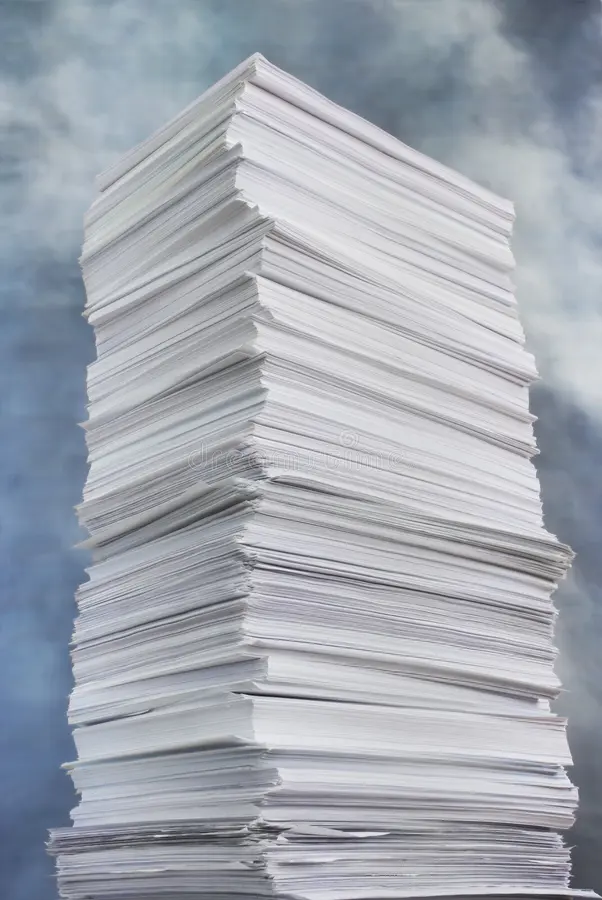
Innerspark.us – Acid-free archival paper is chemically neutralized to prevent yellowing and deterioration over centuries, whereas standard cardstock contains acidic lignin that causes rapid brittleness and discoloration when exposed to air and light.
Choosing the right paper for your projects is not merely a matter of texture or weight; it is a fundamental decision regarding the lifespan of your work. Whether you are preserving family photographs, creating professional art prints, or documenting historical records, the chemical composition of your substrate determines whether your documents will survive for generations or crumble within a decade.
The Chemistry of Deterioration
The primary culprit behind paper degradation is acidity. Most standard cardstock is manufactured using wood pulp that contains lignin, a natural polymer that binds wood fibers together. When lignin is exposed to oxygen and light, it breaks down into acidic byproducts. This process creates a self-destruct mechanism where the paper essentially eats itself from the inside out. As the acidity increases, the cellulose fibers weaken, leading to the characteristic yellowing, brown spotting (often called foxing), and extreme brittleness seen in old newspapers or low-quality store-bought cards.
In contrast, acid-free archival paper undergoes a rigorous manufacturing process. Manufacturers remove the lignin during the pulping phase or use buffered alkaline agents—typically calcium carbonate—to neutralize any present acids. This creates a pH-neutral or slightly alkaline environment that acts as a buffer against environmental pollutants and atmospheric gases, effectively halting the aging process.
Key Differences at a Glance
| Feature | Acid-Free Archival Paper | Standard Cardstock |
|---|---|---|
| Chemical Composition | Lignin-free, pH neutral | Contains lignin, acidic |
| Expected Lifespan | 100+ years | 5–10 years |
| Visual Stability | Resists yellowing/fading | Turns yellow/brown over time |
| Primary Use | Fine art, archival storage | Temporary crafts, standard printing |
Understanding Longevity Factors
Longevity is not just about the pH level. Even if a paper is labeled “acid-free,” other factors contribute to its long-term viability. Optical Brightening Agents (OBAs) are chemicals added to many papers to make them appear whiter and brighter under UV light. Over time, these agents degrade, causing the paper to lose its brilliance and potentially shift in color. For true archival standards, professionals often seek “OBA-free” or “natural white” papers, which may look slightly warmer initially but maintain color consistency for much longer.
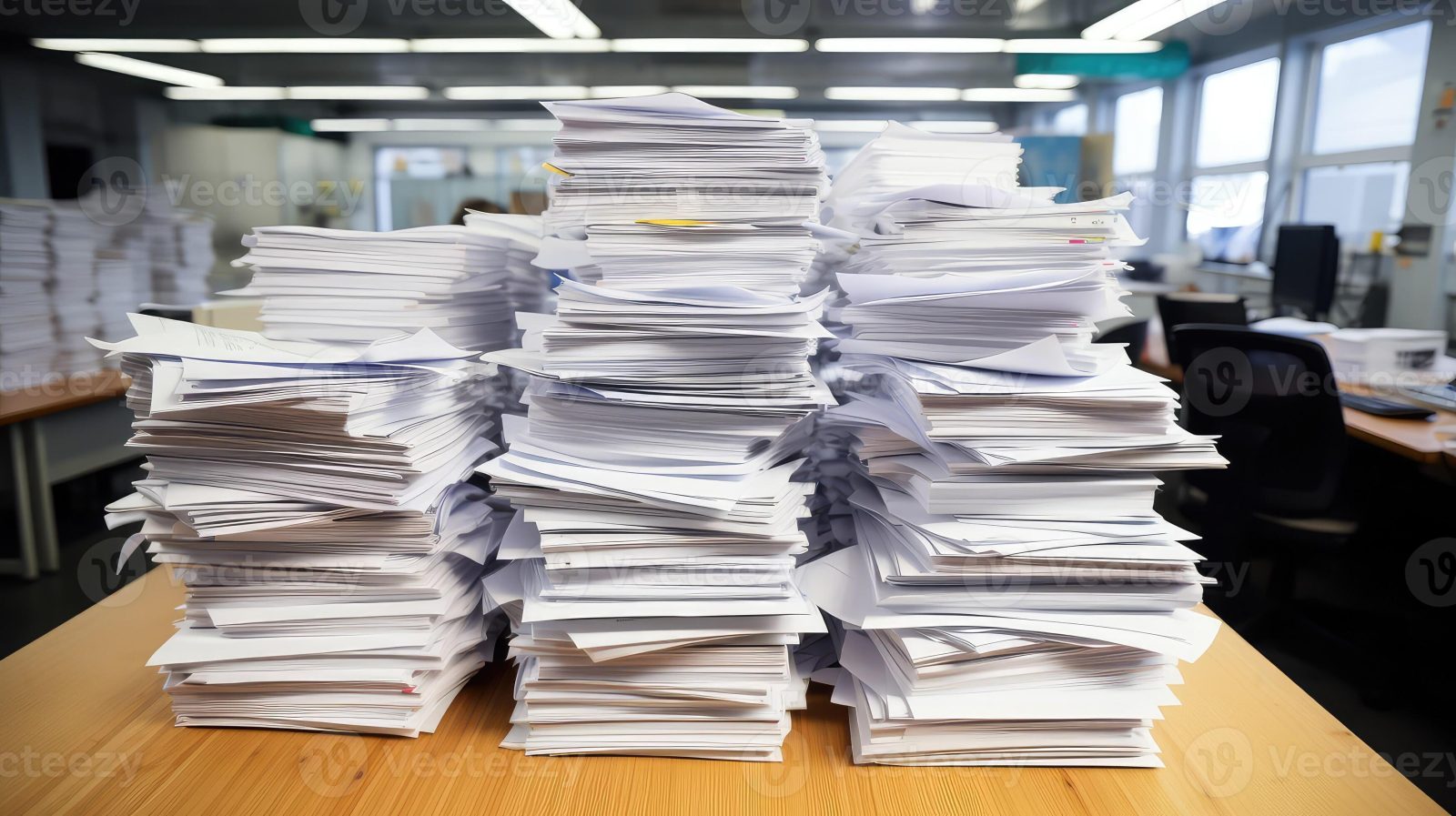
📷 Photo by vecteezy.com
📷 Photo by freepik.com
Additionally, physical handling plays a massive role. Standard cardstock is often porous and absorbs skin oils, which can accelerate chemical reactions. Archival papers are often treated with specific coatings that resist moisture and oil absorption, providing a protective barrier against human touch.
How to Test and Select Archival Materials
If you are unsure whether a paper in your collection is archival, you can perform a few checks. However, for critical projects, follow these steps to ensure you are purchasing the right material for long-term preservation.
- Check for the ISO 9706 standard certification on the packaging, which guarantees the paper meets international requirements for permanent paper.
- Look for “buffered” or “alkaline reserve” in the product description; this indicates the presence of a chemical buffer that protects against future acid migration.
- Test the paper with a pH testing pen if you are archiving existing documents; a yellow mark indicates acidic content, while a purple or blue mark indicates safety.
- Verify the base material; cotton or linen rag fibers are naturally more durable than wood-based pulps, even if they are treated to be acid-free.
- Ensure the storage environment is compatible with the paper; even the best archival paper will degrade if stored in a humid attic or direct sunlight.
Common Mistakes in Paper Preservation
One of the most frequent errors is mixing archival and non-archival materials. If you place a high-quality archival print in a frame with a cheap, acidic cardboard backing, the acid will migrate from the backing to your print. This is known as acid migration. Always ensure that every layer of your storage—including mats, backing boards, and storage boxes—is certified acid-free.
Another common mistake is ignoring the importance of lightfastness. While the paper itself may be archival, the ink or media you apply to it might not be. If you use standard dye-based inkjet inks on high-quality archival paper, the image will fade long before the paper yellows. Always pair archival paper with pigment-based inks to ensure the entire project is lightfast and durable.
Why It Matters for Your Projects
For casual card-making or temporary signage, standard cardstock is perfectly acceptable and cost-effective. However, when the content holds personal or historical value, the cost difference of archival paper is a small insurance premium. Investing in archival quality prevents the heartache of discovering that a cherished document has turned into a crumbling, yellowed remnant of its former self. By understanding that paper is a living, changing substance, you can make informed choices that ensure your legacy remains intact for future generations.
Q: Can I use standard cardstock if I keep it in a dark, dry place?
A: While a dark, dry environment slows down the degradation process, it does not stop it. The internal acidic components of standard cardstock will continue to break down the fibers regardless of storage conditions, though the process will be significantly slower than in a humid or sunlit area.
Q: Does “acid-free” mean the paper is waterproof?
A: No. Acid-free refers to the pH level and chemical stability of the fibers, not the moisture resistance of the sheet. You should still handle archival paper with clean, dry hands and keep it away from moisture to prevent mold and physical damage.
Q: Are all expensive papers automatically archival?
A: Not necessarily. High price is often associated with weight, texture, or brand, but it does not guarantee archival status. Always check the packaging for specific terms like “pH-neutral,” “lignin-free,” or “buffered” rather than relying on the price tag or the thickness of the paper.
Read also: What Size Artist Portfolio Case Do You Need for 18×24 Prints?
📷 Photo by storage.googleapis.com