



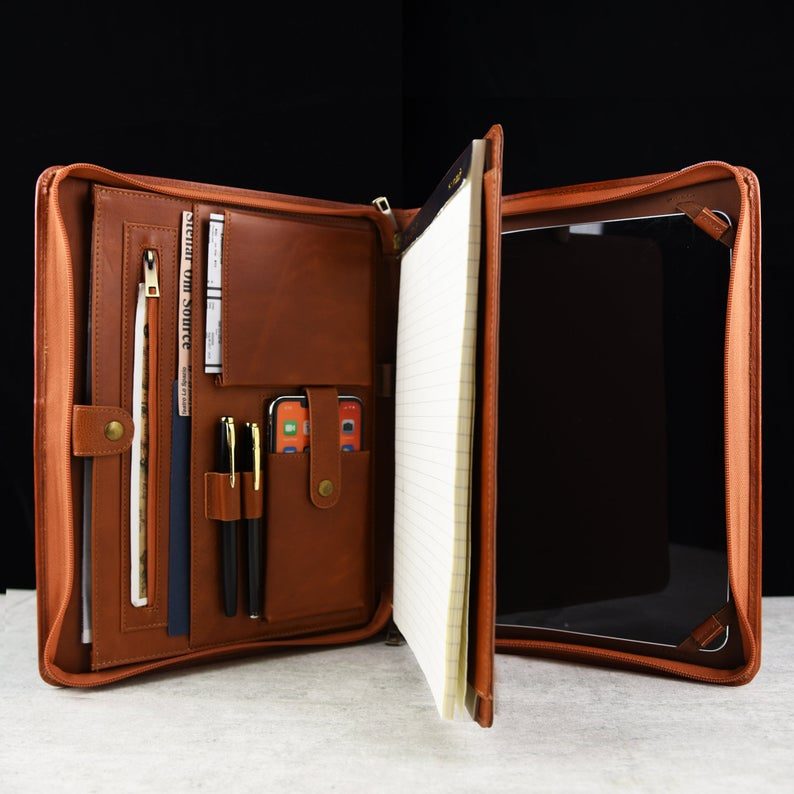
Innerspark.us – A presentation book offers a professional, sequential narrative ideal for client meetings, while a portfolio box provides flexibility and tactile engagement, making it superior for artists who need to swap or rearrange work frequently.
Choosing between a presentation book and a loose print portfolio box is one of the most significant decisions for a creative professional. Your choice dictates how a client perceives your work, how much control you have over the viewing order, and how durable your collection remains over time. Both formats serve distinct purposes depending on the medium and the context of the presentation.
The Case for the Presentation Book
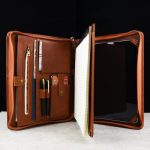
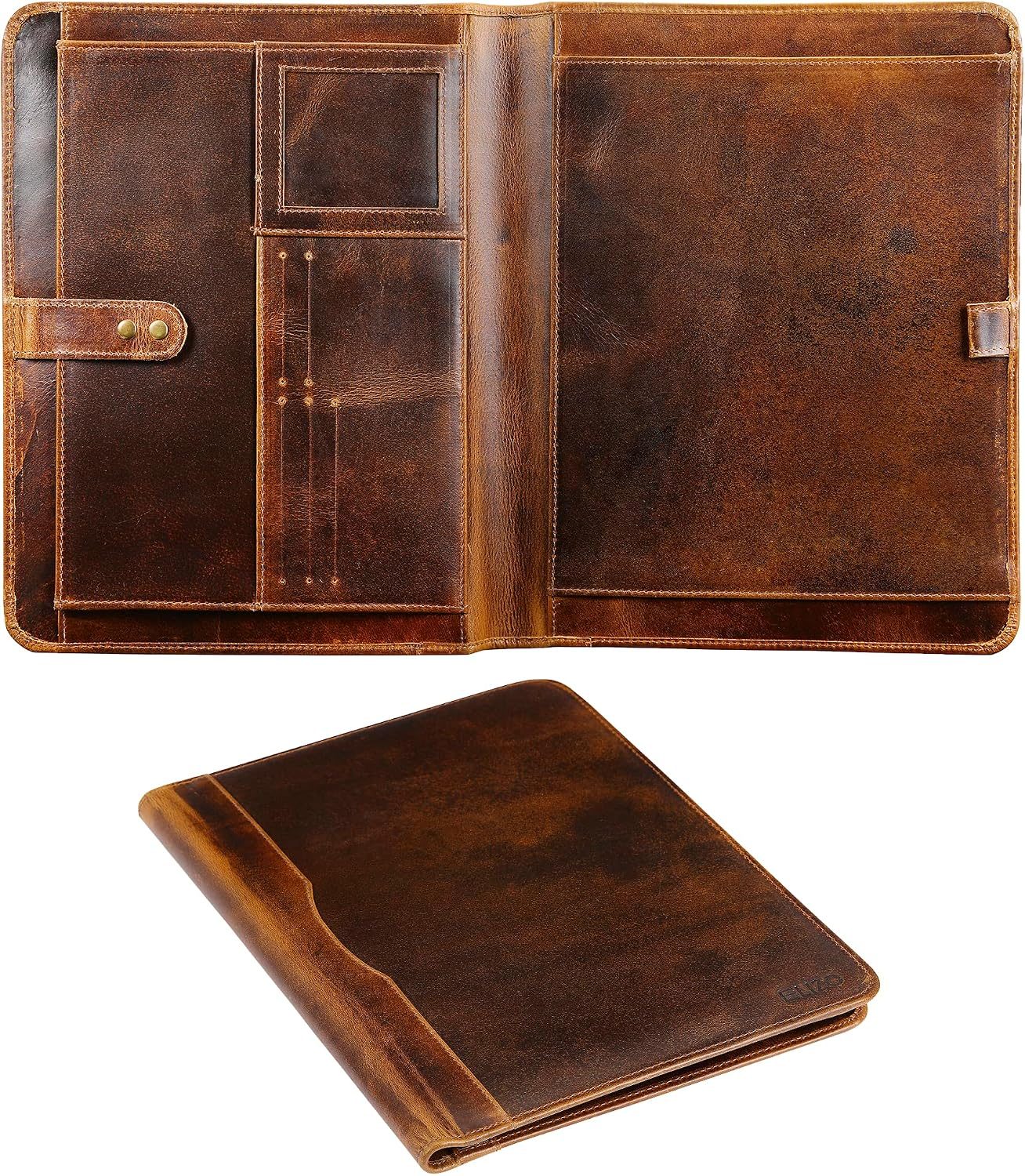
A presentation book, often referred to as a portfolio binder or a screw-post portfolio, acts as a curated book. It is the gold standard for graphic designers, photographers, and architects who want to showcase a specific narrative. Because the pages are fixed or encased in archival sleeves, you dictate exactly how the viewer experiences your work. There is no risk of the client shuffling images out of order or mishandling loose prints.
📷 Photo by storage.googleapis.com
This format is inherently cleaner and more polished. It protects your prints from fingerprints, dust, and environmental damage during transit. For high-stakes interviews, a presentation book conveys a sense of preparedness and professionalism. It feels like a finished product, inviting the client to flip through pages as they would a high-end coffee table book.
The Flexibility of the Portfolio Box
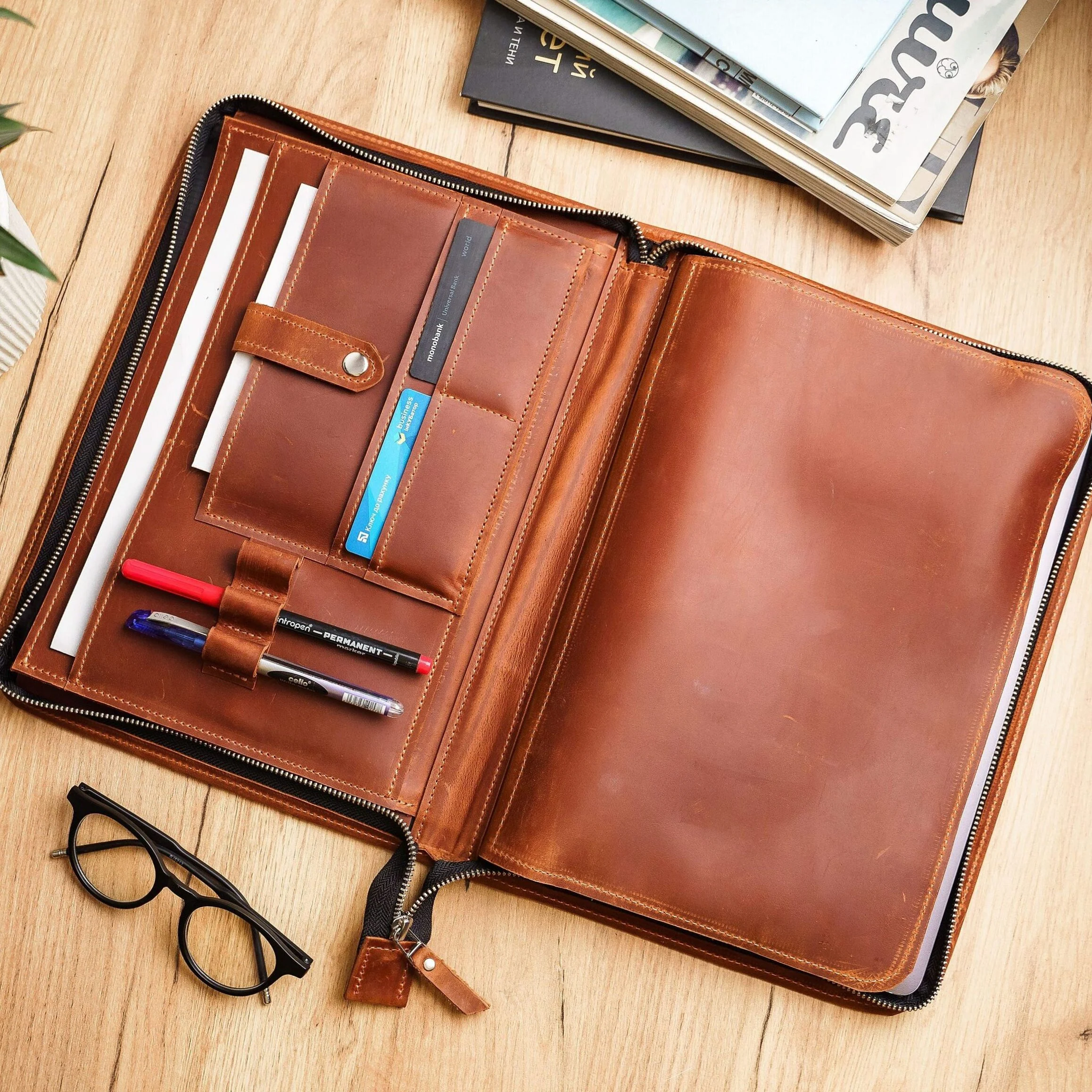
A portfolio box—often a clamshell or archival box—offers a more intimate, tactile experience. Instead of a fixed sequence, you present loose prints, often on high-quality matte or cotton rag paper. This is the preferred choice for fine art photographers and illustrators who want the viewer to physically handle the work. Removing an image from a box and holding it in your hands creates a deeper psychological connection to the piece.
The primary advantage here is modularity. If you have a meeting with a fashion brand, you can pull only the relevant fashion-forward prints from your collection. If your next meeting is with a commercial agency, you can swap those out for product photography. You are not tethered to a rigid layout, allowing for a truly bespoke presentation every single time.
Comparison: Portfolio Box vs. Presentation Book
| Feature | Presentation Book | Portfolio Box |
|---|---|---|
| Viewing Order | Fixed and controlled | Flexible and modular |
| Tactile Experience | Low (protected by sleeves) | High (direct print contact) |
| Durability | High (long-term protection) | Medium (prints require care) |
| Client Interaction | Passive viewing | Active engagement |
| Portability | Heavy/Bulky | Lightweight/Compact |
Critical Factors for Your Decision
Before investing in either, consider the environment in which you will be presenting. If you are showing work in a busy studio or a coffee shop, a presentation book is safer. Loose prints in a box are susceptible to spills, wind, and accidental drops. Conversely, if you are presenting in a high-end gallery or a private office, the portfolio box feels more organic and sophisticated.
Another factor is the type of paper you use. Presentation books generally require thinner or glossy paper to fit into plastic sleeves. Portfolio boxes allow you to use thick, textured, heavy-weight fine art papers that simply cannot be crammed into a standard binder sleeve. If the texture of your paper is part of your artistic signature, the box is your only viable option.
📷 Photo by etsy.com
How to Prepare a Professional Portfolio Box
Presenting loose prints requires more preparation than simply stacking paper. Follow these steps to ensure your portfolio box leaves a lasting impression:
- Select archival-grade prints: Use acid-free paper and pigment-based inks to ensure your work does not fade or yellow over time.
- Implement protective interleaving: Place sheets of acid-free glassine paper between your prints to prevent ink transfer and scratching.
- Curate by context: Create three distinct sets of prints tailored to different types of clients or projects.
- Include a contents sheet: Place a high-quality index card or title page at the top of the stack so the viewer knows what they are looking at.
- Check the presentation surface: Always bring a small, clean microfiber cloth to wipe down the table surface before laying out your prints.
Common Mistakes to Avoid
A common error with presentation books is overfilling. When you jam too many pages into a book, the spine bulges, and the pages do not lay flat. This makes the portfolio feel cheap and difficult to navigate. If your project list has grown, invest in a larger capacity binder rather than forcing extra pages into a small one.
Read also: How to Get Editorial Illustration Work from Magazines and Newspapers
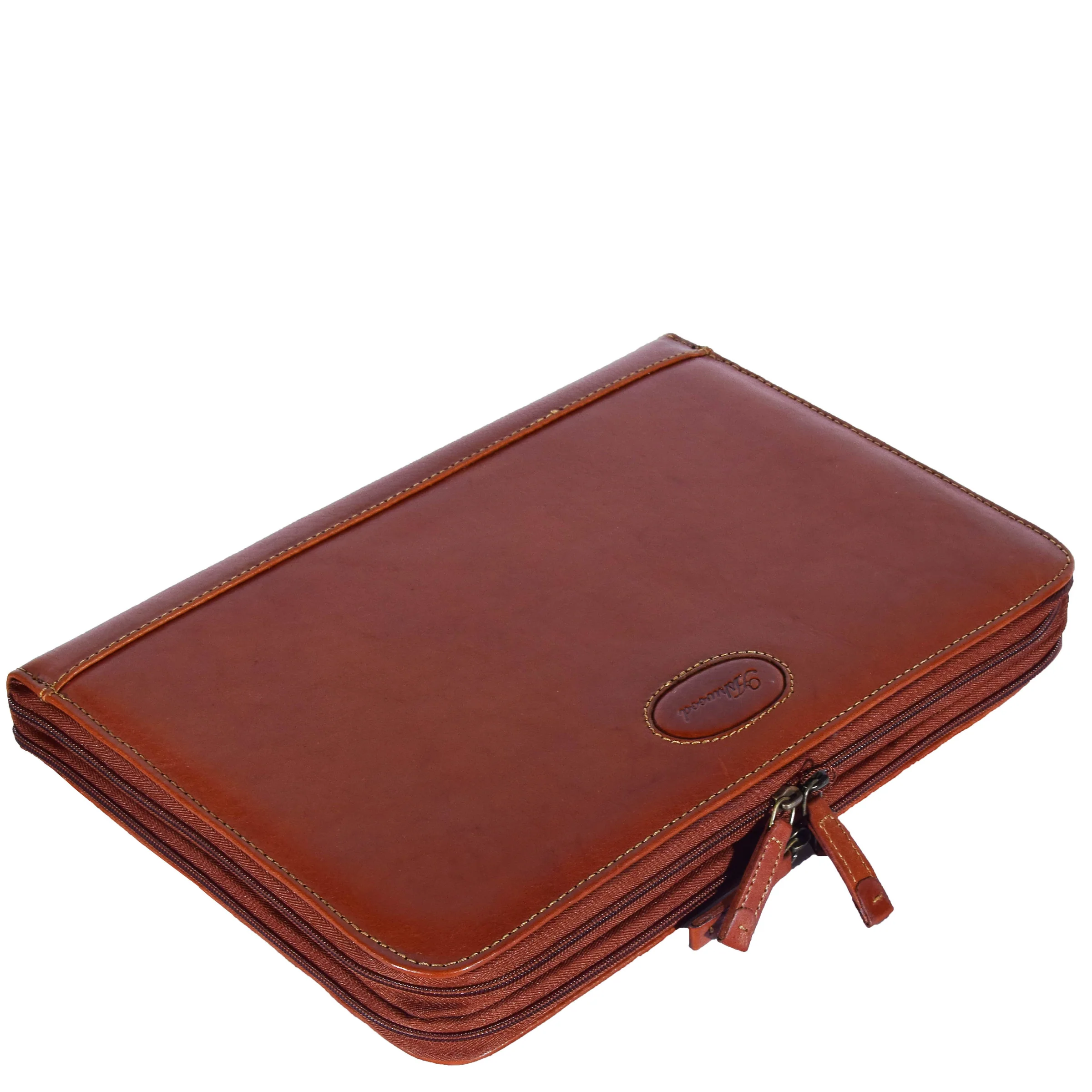
📷 Photo by houseofleatheruk.com
With portfolio boxes, the most common mistake is failing to provide a clear order. Clients can get overwhelmed by a pile of 30 loose prints. Always guide the viewer through the work, or use subtle markers on the back of the prints to indicate the intended sequence if necessary.
Final Considerations for Your Brand
Your portfolio is an extension of your brand identity. If you market yourself as a modern, efficient, and precise agency, a sleek black presentation book is the perfect fit. If you market yourself as a storyteller, a fine artist, or a boutique creator, the portfolio box signals that your work is meant to be studied and appreciated slowly.
Ultimately, many successful professionals eventually own both. They use the presentation book for initial screenings or large-group presentations where efficiency is key, and they reserve the portfolio box for final, one-on-one meetings where they want to impress the client with the physical quality of their output.
Q: Can I mix loose prints inside a presentation book?
A: It is generally discouraged. The contrast between the rigid sleeves and the loose paper creates a disorganized look. It is better to stick to one format for a cohesive presentation.
Q: Which option is better for travel?
A: The presentation book is superior for travel. It keeps your work secure, organized, and protected against the rigors of commuting and air travel, whereas loose prints require much more careful packing to avoid bent corners.
Q: Does a portfolio box require special storage?
A: Yes, it should be stored flat in a climate-controlled environment. Avoid direct sunlight and high humidity, which can cause prints to curl or the box material to degrade over time.
📷 Photo by pinterest.com