




Innerspark.us – Pitching your art to commercial licensing agents requires a professional portfolio that demonstrates market viability, a focused brand identity, and a concise, value-driven outreach strategy that highlights how your work solves a specific aesthetic need for their clients.
Securing a deal with a licensing agent is not about finding someone to “discover” your talent; it is about proving that your art can generate consistent revenue in retail environments. Agents represent artists who understand the commercial landscape, which is vastly different from the fine art gallery world. Success in this field demands a shift in mindset from creating for self-expression to creating for mass-market appeal.
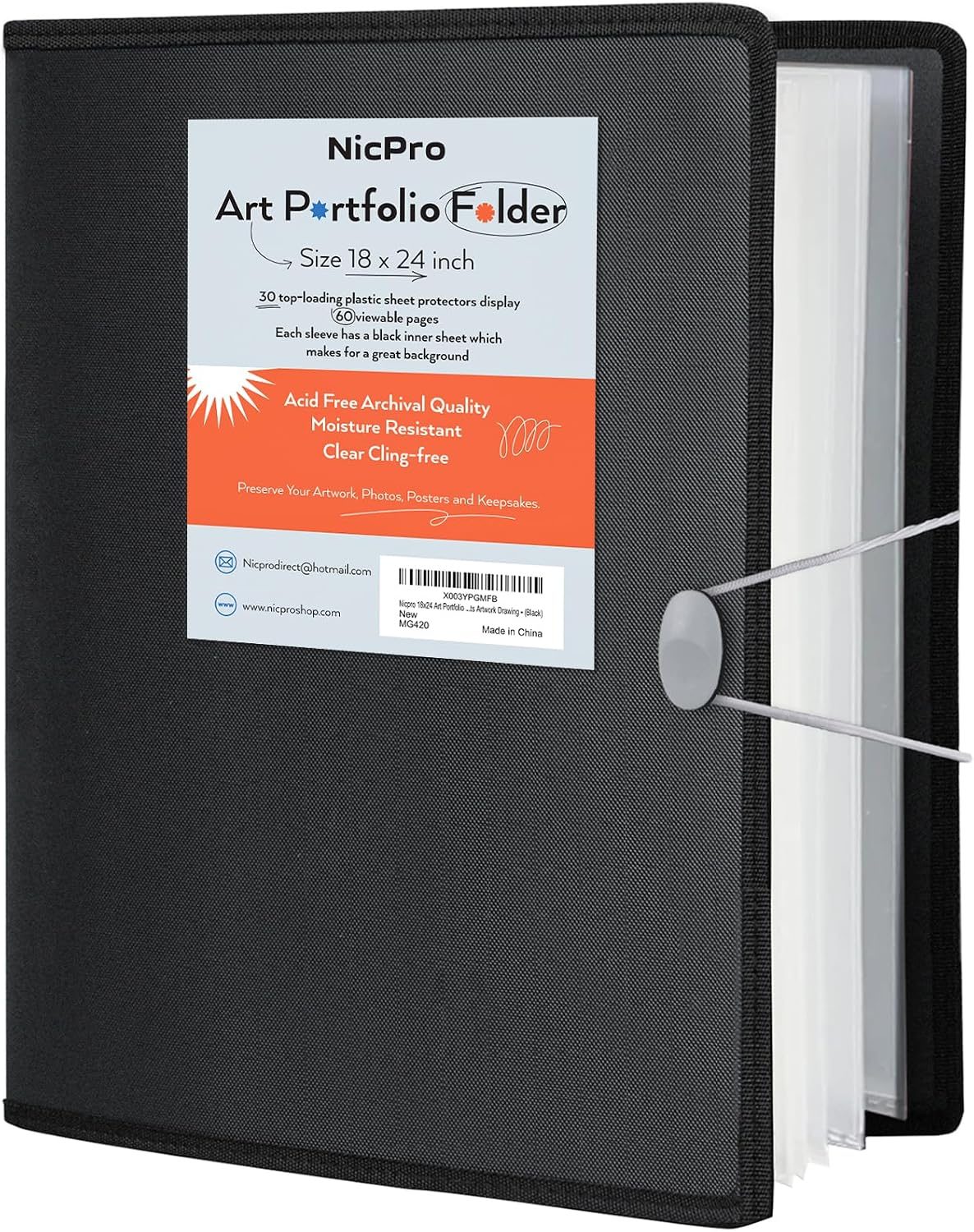
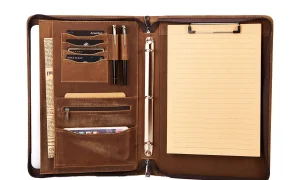
📷 Photo by amazon.ca
Understanding the Agent’s Perspective
Licensing agents act as a bridge between creators and manufacturers. Their primary goal is to minimize risk while maximizing the potential for product sales. When an agent looks at your portfolio, they are not looking for the most technically impressive piece you have ever created. They are looking for collections that can be applied to diverse product categories like home decor, stationery, kitchenware, or textiles.
Before you send a single email, audit your portfolio. Are your files organized? Do you have clear, high-resolution imagery? Agents are busy professionals; if they have to navigate a chaotic website or download massive, unorganized files, they will move on to the next artist. Your work must be presented as a ready-to-license asset.
The Essential Components of a Winning Pitch
Your pitch needs to be tailored. Avoid sending generic “to whom it may concern” emails. Research the agency first. Does their current artist roster align with your style? If they focus on traditional florals, pitching them edgy, abstract street art will likely result in a rejection. You want to demonstrate that you have studied their business and that your art fills a gap in their current offerings.
Your outreach should include a brief introduction, a link to a curated portfolio (not an attachment-heavy email), and a clear statement about your commercial experience. If you have worked with manufacturers before, mention it. If you are new, focus on the breadth and consistency of your current collections.
Comparison of Portfolio Presentation Methods
| Method | Pros | Cons | Best Use Case |
|---|---|---|---|
| Personal Website | Full control over branding and navigation. | Requires ongoing maintenance and SEO. | Primary hub for all work and contact info. |
| PDF Lookbook | Professional, portable, and easy to review. | Can be too large for email servers. | Sending as a specific attachment to agents. |
| Instagram/Social | High discoverability and engagement. | Easily lost in a feed; lacks professional polish. | Secondary proof of market interest. |
Step-by-Step Guide to Pitching Your Art
- Curate Your Collection: Group your artwork into cohesive themes or collections of at least 10–15 pieces. Ensure they share a color palette and stylistic thread.
- Research Target Agencies: Compile a list of 5–10 agencies that represent artists in your specific niche. Check their submission guidelines strictly; some only accept submissions during specific windows.
- Draft a Concise Pitch: Write a 3-paragraph email. Paragraph one: Who you are. Paragraph two: Why you are a fit for their specific agency. Paragraph three: A clear call to action with a link to your curated portfolio.
- Prepare Your Assets: Ensure all files are labeled clearly (e.g., ArtistName_CollectionName_Title.jpg) and are high-resolution but optimized for web viewing.
- Follow Up Professionally: Wait two weeks before sending a polite follow-up email. If you do not hear back after the second attempt, move on to the next prospect.
Common Mistakes to Avoid
One of the most frequent errors artists make is failing to understand the concept of “repeatable patterns.” While individual illustrations are beautiful, licensing agents often prioritize work that can be easily tiled or adapted for product surfaces. If your art cannot be turned into a pattern, you are limiting your commercial potential significantly.
Another common mistake is being overly attached to your work. Commercial art is a business, and feedback from agents is rarely personal. If an agent suggests that your colors are too muted or your themes are too niche, view this as market research rather than a critique of your soul. Adaptability is one of the most valuable traits an artist can possess in the licensing world.
The Importance of Consistency
Agents look for artists who can produce work that is not only high-quality but also consistent. If your portfolio looks like it was created by five different people, an agent will worry that you do not have a defined brand. A strong portfolio should show a clear stylistic identity, allowing a manufacturer to immediately recognize the “vibe” of your work.
Furthermore, ensure your portfolio displays your art in context. Mockups—digital representations of your designs on pillows, notebooks, or plates—help agents visualize how your art performs on finished goods. This removes the guesswork for them and makes your pitch much more persuasive.
Q: Should I include pricing in my initial pitch?
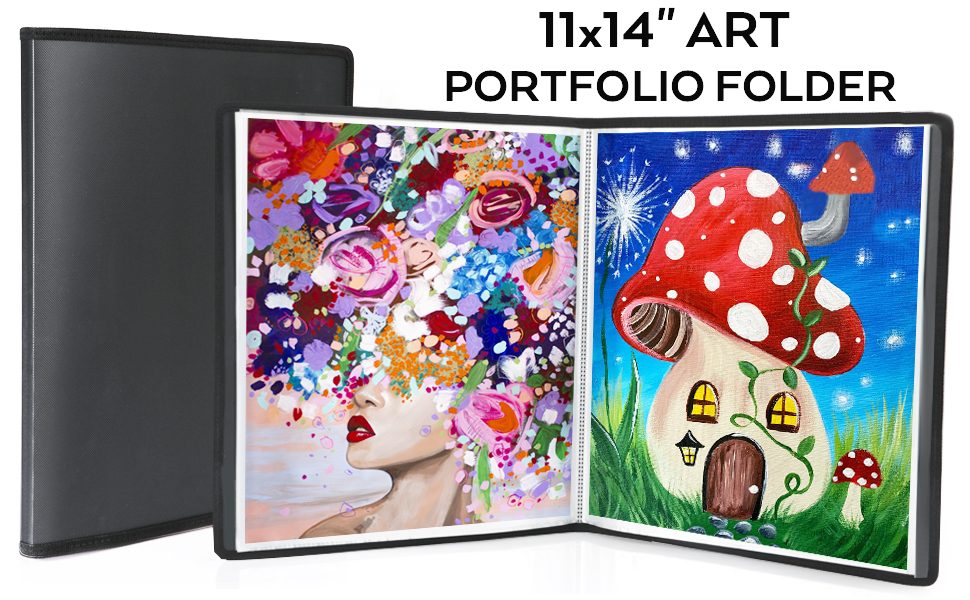
📷 Photo by gosupps.com
A: No. Pricing and royalty structures are negotiated only after an agent has expressed interest in your work and determined it is a good fit for their clients.
Q: How many pieces should I include in my portfolio?
A: Quality over quantity is key. A curated selection of 15–20 of your strongest, most commercial pieces is far better than a disorganized archive of 100 mediocre ones.
Q: What if I have no commercial experience?
A: Focus on your process and your ability to meet deadlines. If you have personal projects that show professional-level production, highlight those as evidence of your reliability.
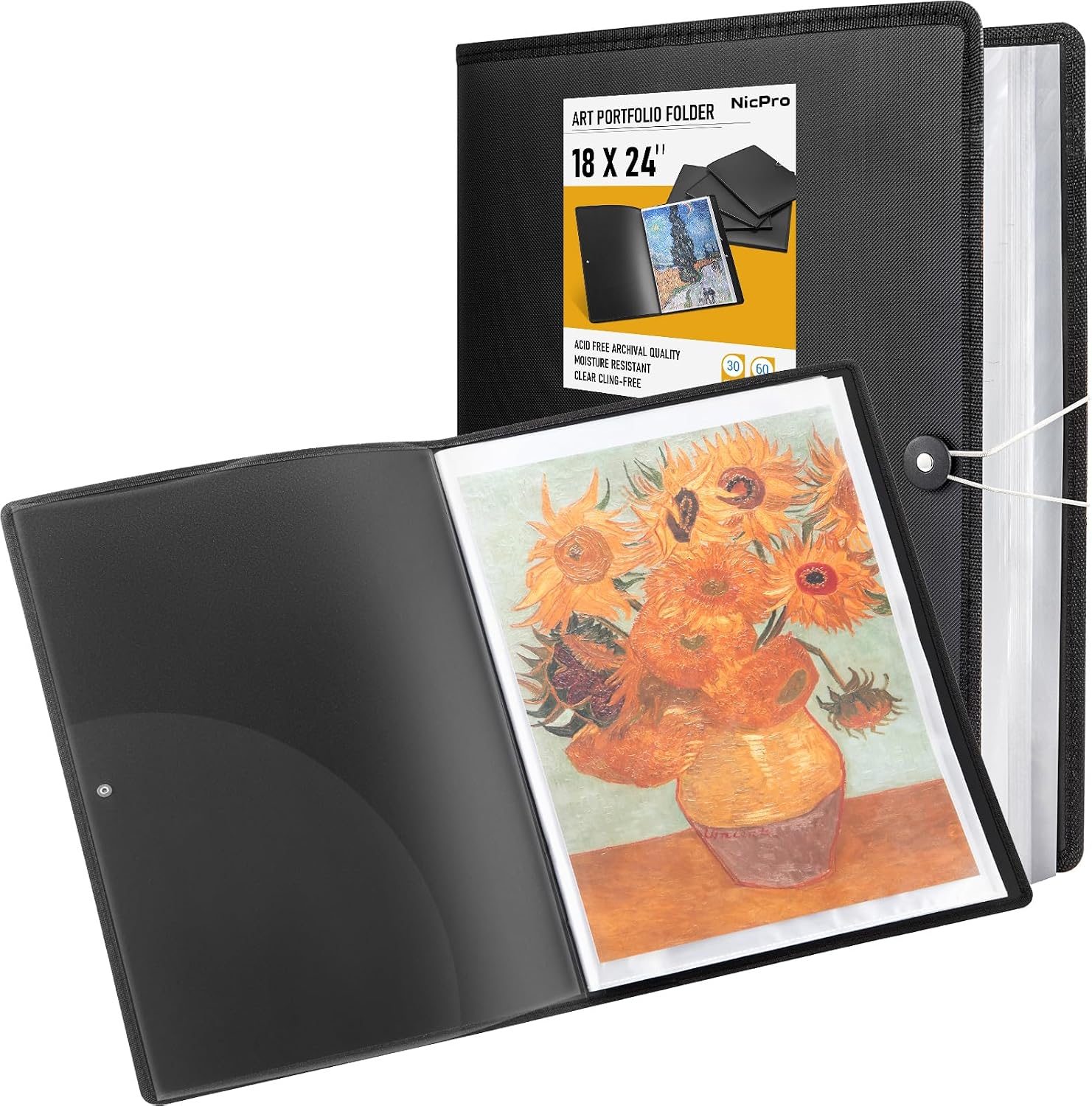
📷 Photo by amazon.ca
Persistence is the final piece of the puzzle. The licensing industry is competitive, and you may face many rejections before finding the right partnership. Keep refining your portfolio, stay updated on current design trends, and continue creating new, relevant work. Every pitch is a learning opportunity that brings you one step closer to a successful licensing agreement.
Read also: Heavyweight Archival Art Paper: What GSM Is Best for Art Prints?
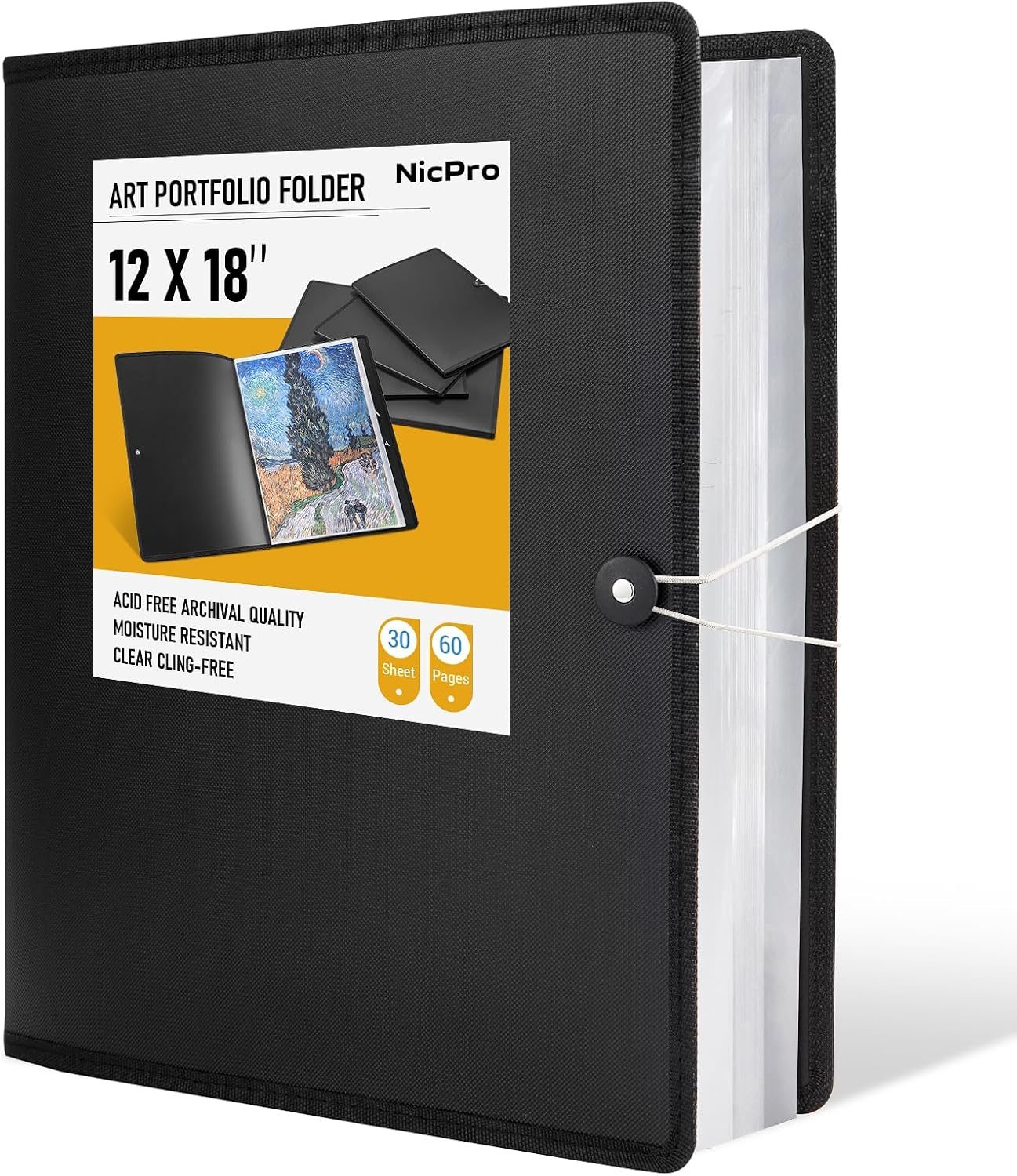
📷 Photo by amazon.ca