





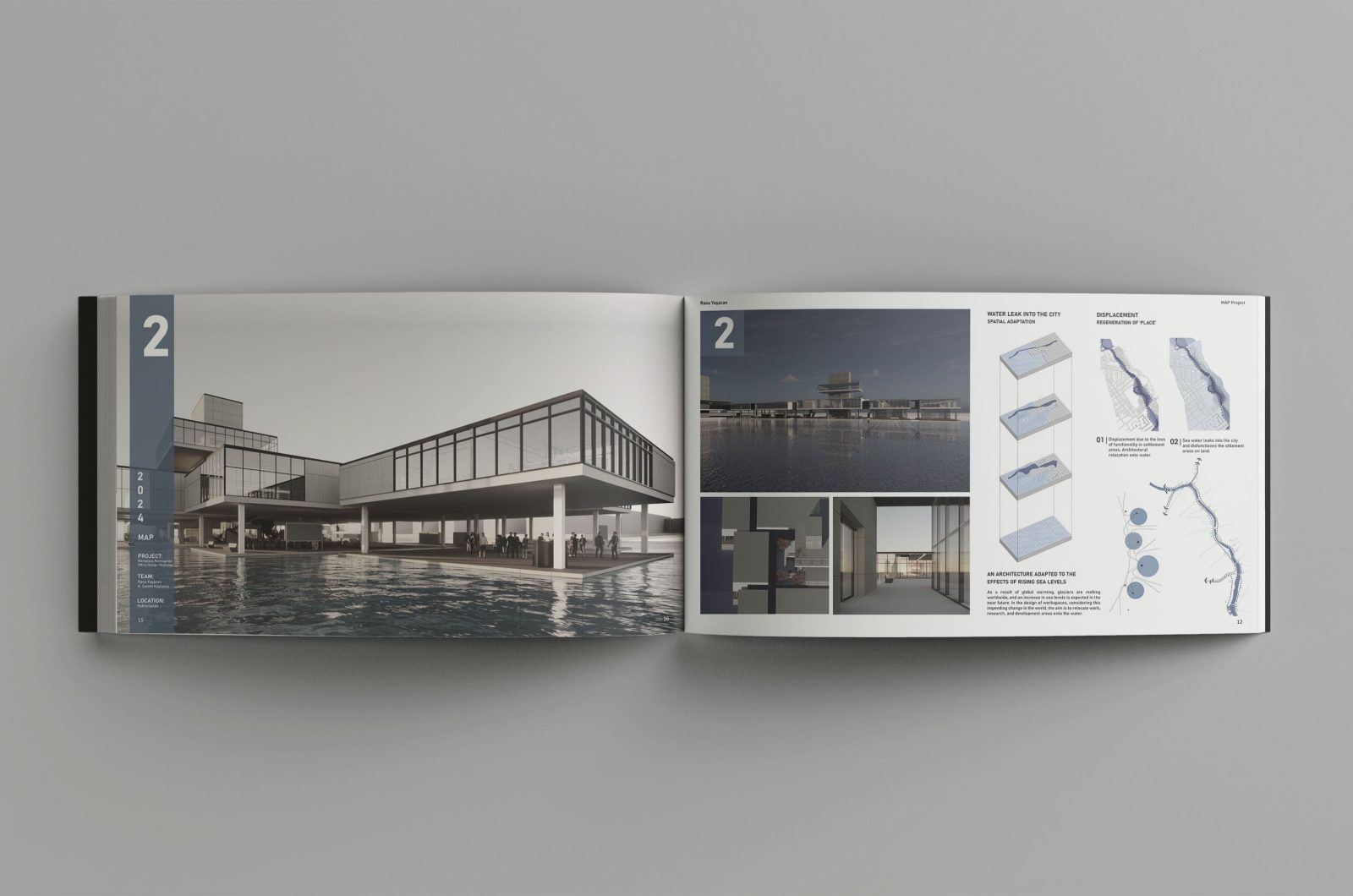
Innerspark.us – Curating an architectural-photography/” rel=”tag”>architectural photography portfolio for firms requires a selective approach that prioritizes high-impact projects, technical precision, and a cohesive visual narrative that aligns with the specific design philosophy of your target clients. You must transition from showing everything you have shot to showcasing only the work that demonstrates your ability to solve architectural problems through a lens.
The Strategy of Selective Curation
Many photographers fall into the trap of including every project they have ever completed. This is a mistake. Firms are not looking for quantity; they are looking for a specific aesthetic and technical capability. Your portfolio should act as a bridge between your artistic vision and the firm’s architectural identity. If you are targeting a firm that specializes in modernist residential design, your portfolio should be heavily weighted toward clean lines, natural light, and structural simplicity.
Begin by auditing your entire body of work. Categorize your images based on architectural style, lighting conditions, and the specific design features highlighted. You want to curate a collection that tells a story of your professional reliability. A firm needs to know that you can handle complex lighting, challenging interior spaces, and the specific material textures they obsess over.
Essential Elements of a Firm-Ready Portfolio
When selecting images, prioritize those that demonstrate spatial awareness. Architectural firms care about how a building functions within its environment. Your images must capture the relationship between the structure and the context, whether that is an urban landscape or a natural setting. Avoid repetitive angles. If you have ten shots of the same living room, pick the one that best explains the flow and the materiality of the space.
Technical perfection is non-negotiable. Ensure that your vertical lines are perfectly parallel and that there is no chromatic aberration or distracting lens flare unless it serves a deliberate artistic purpose. Firms deal in precision; if your photography lacks technical rigor, they will assume your work ethic lacks it as well.
Comparison of Portfolio Formats
| Format Type | Best For | Key Advantage |
|---|---|---|
| Digital PDF Portfolio | Emailing directly to Principal Architects | Controlled viewing experience and file size |
| Curated Web Gallery | Broad exposure and SEO | Easy to update and share via link |
| Physical Print Book | In-person meetings and final interviews | High-end tactile impression of image quality |
Step-by-Step Curation Workflow
Following a structured process ensures that your portfolio remains lean and effective. Use this workflow to refine your selection every quarter.
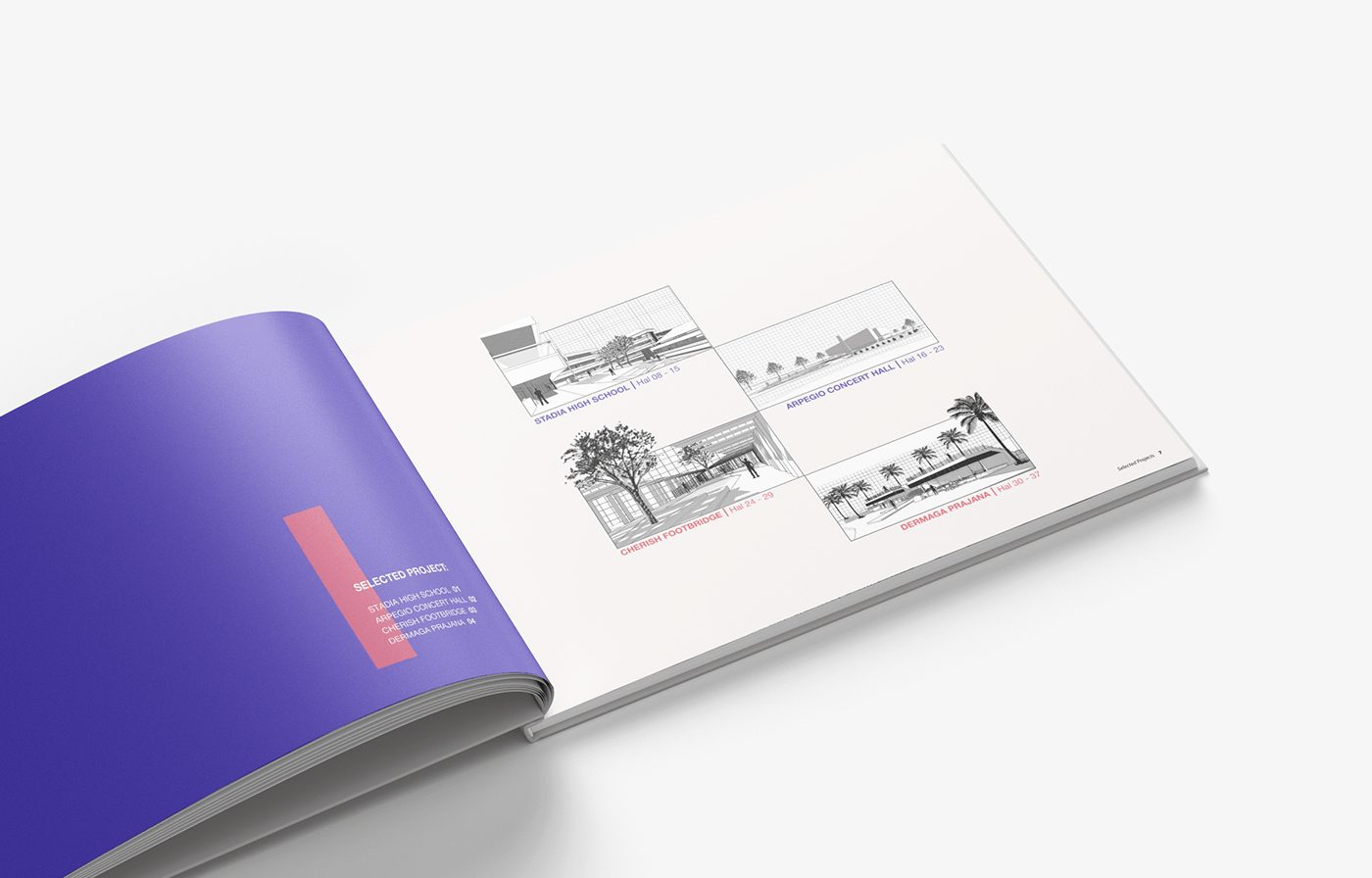
📷 Photo by behance.net
- Define your target architectural niche, such as adaptive reuse, luxury residential, or commercial high-rise, to tailor your selection.
- Select your top 15-20 images that represent your strongest technical skills and most interesting subject matter.
- Arrange the images in a logical flow, starting with a powerful exterior wide-angle shot and transitioning through interior details and atmospheric lighting.
- Remove any images that are redundant or do not meet your absolute highest standard of post-processing.
- Seek feedback from a non-photographer architect to ensure the images effectively communicate the design intent rather than just the photography style.
Common Pitfalls to Avoid
One of the most common errors is over-editing. While architectural photography requires post-production to correct perspective and color balance, heavy-handed HDR effects or aggressive saturation will alienate architects who value authenticity. They want to see the materials as they are, not as a digital interpretation. Keep your post-processing clean and true to life.
Another mistake is the lack of project context. When you present an image, ensure it is clear what the project is and who the architect was. If possible, include a brief sentence about the design challenge you were asked to document. This demonstrates that you understand the architect’s intent, making you a collaborative partner rather than just a service provider.
The Role of Consistency
Consistency in your color grading is vital. If one image is cool-toned and the next is warm and vibrant, it creates a jarring experience for the viewer. Your portfolio should have a consistent “look and feel.” This does not mean every image must look the same, but they should belong to the same family of visual language. This coherence signals to the firm that you are a professional who can deliver a consistent result across an entire project commission.
Addressing Frequently Asked Questions
Q: Should I include personal work in a portfolio meant for architectural firms?
A: Generally, no. Keep your portfolio strictly professional. If you have personal work that explores architectural form, place it in a separate, clearly labeled section of your website, but do not mix it into the primary gallery meant for potential clients.
Q: How often should I update my portfolio?
A: Aim for a major review every six months. As your skills improve and you take on more complex projects, replace older, lower-quality work with newer images that reflect your current professional standard.
Q: Does my portfolio need to show people in the spaces?
A: It depends on the firm. Some prefer pure architectural shots, while others want to see how the space is lived in. Including a few high-quality, candid shots of people interacting with the architecture can add scale and life, provided the photography remains focused on the design.
Final Considerations for Impact
Your portfolio is a living document. It should evolve as your career grows. Remember that architects are visual thinkers; they will judge your competence based on the first three images they see. Make those images count by selecting shots that feature strong geometry, exceptional light, and a clear understanding of the architectural narrative. By focusing on quality over quantity and maintaining a strict technical standard, you position yourself as an essential asset to any architectural firm.
📷 Photo by jp.pinterest.com