


Innerspark.us – Networking on LinkedIn as an illustrator requires shifting your focus from a traditional resume-based approach to a visual-portfolio-centric strategy that highlights your problem-solving capabilities for potential clients and art directors. By positioning your artwork as a business solution rather than just a hobby, you transform your profile into a lead-generation tool.
The Strategy: Moving Beyond the CV
Many visual artists assume LinkedIn is strictly for corporate roles or tech jobs, but this is a misconception. Art directors, creative agencies, and marketing departments actively scout for talent on the platform. The key is to stop treating your profile like a job board application and start treating it like a specialized landing page for your creative services.
When you approach LinkedIn as an artist, your headline should not just say “Freelance Illustrator.” Instead, use a formula that defines your value proposition. For example, “Illustrator for Editorial and Tech Clients | Helping Brands Communicate Complex Ideas through Visual Storytelling.” This tells the viewer exactly what you do and who you do it for, making you searchable for specific industry needs.
Optimizing Your Visual Presence
LinkedIn has improved its support for media-rich profiles, which is a massive advantage for artists. You should utilize the “Featured” section to pin your best projects. Do not just upload a flat image; include a brief description of the brief, your creative process, and the final impact the illustration had on the client’s project.
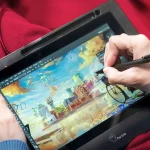
Engagement on LinkedIn is driven by professional storytelling. Posting a finished piece is fine, but posting a work-in-progress video with a caption explaining how you solved a specific technical challenge is better. It demonstrates your expertise, your reliability, and your ability to work through revisions, which are the traits clients care about most.
Comparative Networking Tactics
Understanding where to direct your energy is vital for efficiency. Here is how you should balance your networking efforts between different professional platforms:
| Platform | Primary Goal for Artists | Engagement Style |
|---|---|---|
| B2B Clients, Art Directors | Professional, Process-oriented | |
| Instagram/TikTok | Brand Awareness, Fanbase | Visual-first, Trends-focused |
| Behance | Portfolio Archive | Technical, Case-study heavy |
Actionable Steps to Expand Your Network
Networking isn’t about collecting connections; it is about building a pipeline of potential collaborators. Follow these steps to systematically grow your professional circle:
- Identify 20 target companies or agencies that align with your art style and research their creative directors or lead designers.
- Send a personalized connection request. Avoid the default message; mention a recent project they worked on or explain why your specific style would benefit their current design needs.
- Engage with their content meaningfully. Leave insightful comments on their posts rather than just “Great work.” Discuss the composition, the concept, or the brand message behind their visuals.
- Share industry-specific insights. If you notice a trend in visual marketing, write a short post about how illustration can improve user engagement in that sector.
- Request informational interviews. Once a relationship is established, ask for 15 minutes of their time to learn more about the challenges they face when hiring freelance talent.
Common Pitfalls to Avoid
One of the biggest mistakes artists make is being too “salesy” too early. If your first message is “Here is my portfolio, please hire me,” you will likely be ignored. Networking is a long-term game. Think of it as building a professional friendship where you offer value before you ask for a contract.
Another issue is inconsistency. If your profile is dormant for months, potential clients will assume you are either not interested in work or not professional enough to maintain your digital storefront. Aim to log in at least three times a week to comment on industry news or share updates on your current projects.
📷 Photo by amazon.com
The Importance of Soft Skills
On LinkedIn, your soft skills are just as important as your technical drawing abilities. Clients want to hire artists who are easy to communicate with, meet deadlines, and understand the business side of art. Use your LinkedIn posts to demonstrate that you are a professional who understands feedback loops and project management. When you speak the language of business, you become a safer, more attractive investment for high-end clients.
Frequently Asked Questions
Q: Should I connect with other illustrators?
A: Yes. While they are technically competitors, they are also your best source for industry news, community support, and overflow work when they are too busy to take on a project.
📷 Photo by amazon.com
Q: How often should I post my artwork?
A: Aim for 1-2 high-quality posts per week. Focus on quality and context over quantity; a detailed case study of one project is significantly more valuable than five low-effort posts.
Q: Is LinkedIn Premium worth it for an artist?
A: Generally, no. Most artists benefit more from the free features—specifically the ability to search for contacts and engage in groups—rather than the paid features like InMail, unless you are doing aggressive cold outreach.
Consistency and Long-Term Growth
Building a network on LinkedIn takes time. You will not see results overnight, but if you remain consistent, you will eventually become the person that art directors think of when they have a creative vacancy. Keep your profile updated, engage with your industry peers, and always frame your artistic talent as a solution to a business problem.
📷 Photo by atlantafigures.org