


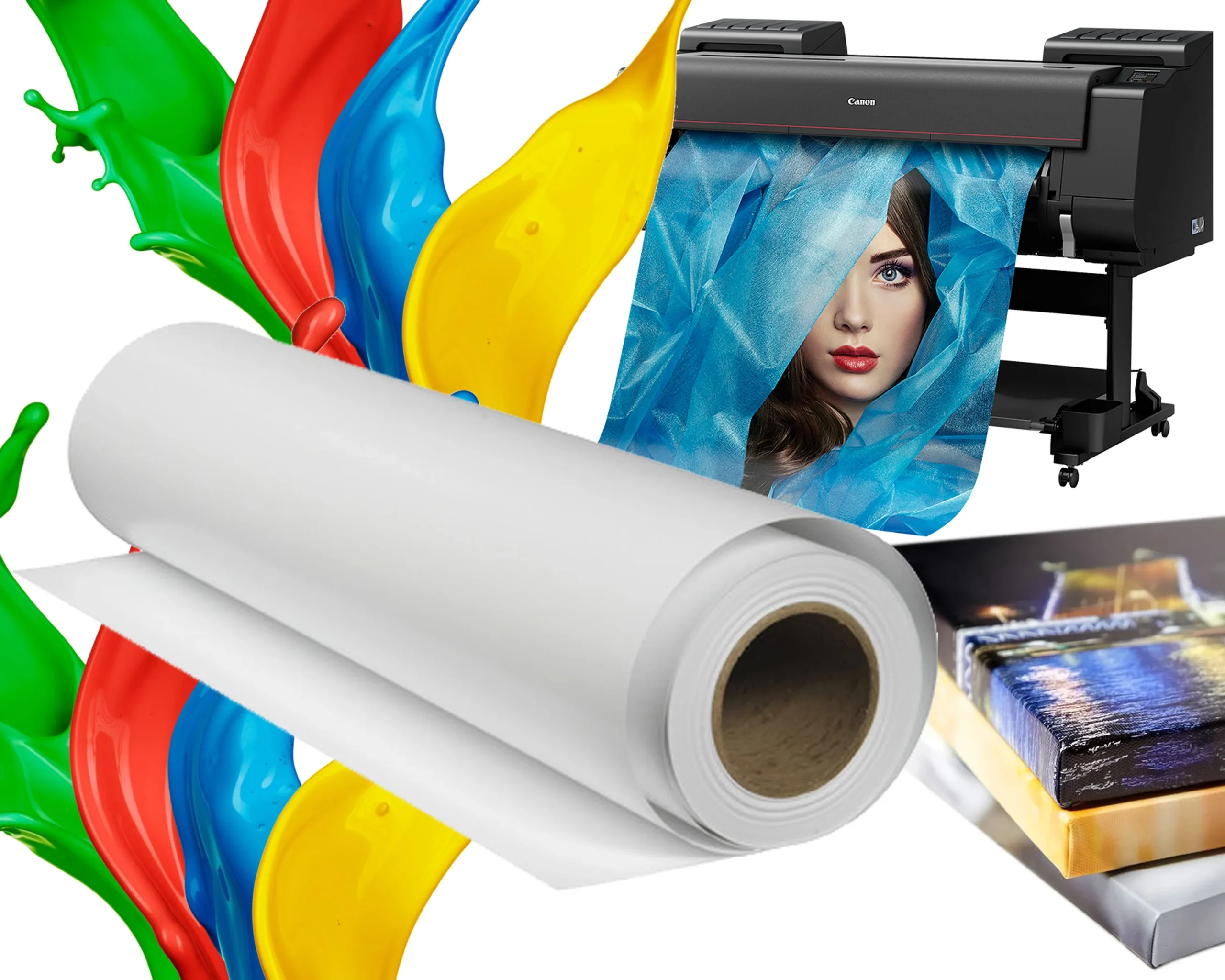
Innerspark.us – Archival canvas paper offers superior detail and color accuracy for fine art reproductions due to its smooth surface, while stretched canvas provides a textured, gallery-ready aesthetic that mimics original oil paintings.
Choosing the right medium for your art prints is a critical decision that influences both the perceived value and the long-term preservation of your work. While both archival canvas paper and stretched canvas are popular choices for artists and photographers, they serve different purposes and offer distinct visual experiences.
Understanding Archival Canvas Paper
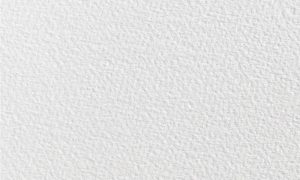
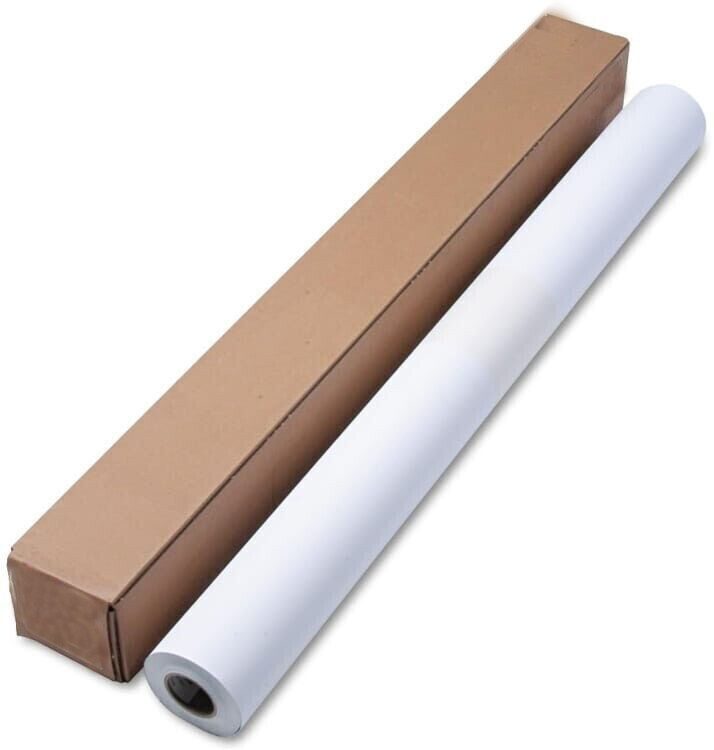
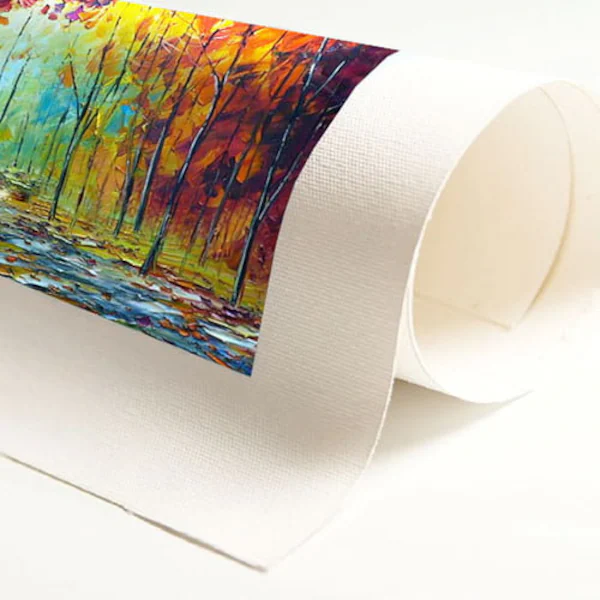
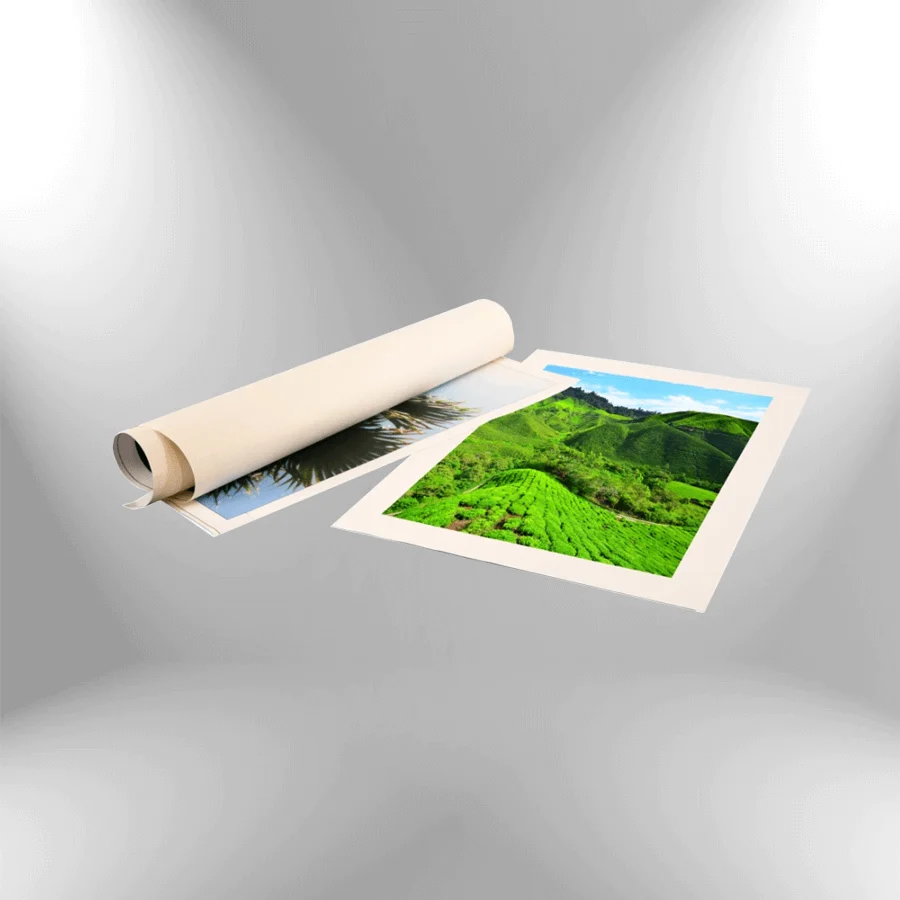
Archival canvas paper is essentially a heavy-weight, textured paper that mimics the weave of a traditional canvas. It is often treated with an inkjet-receptive coating that allows for high-resolution printing. Because it is a paper product, it is much thinner than stretched canvas and requires framing behind glass to prevent physical damage.
📷 Photo by ebay.co.uk
The primary advantage of this medium is its ability to hold fine detail. Because the surface is flatter and more uniform than a woven, stretched fabric, ink droplets land with greater precision. This makes it an ideal choice for digital illustrations, photography, and intricate fine art prints where sharpness is the top priority.
The Appeal of Stretched Canvas
Stretched canvas consists of a woven fabric—usually cotton or poly-blend—wrapped around a wooden frame, known as stretcher bars. This medium is the industry standard for traditional art reproduction. The texture of the weave adds a physical dimension to the print, catching light and shadow in a way that mimics an original painting.
Stretched canvas is ready to hang, providing a professional, finished look without the need for additional framing. It is the preferred choice for customers looking for a statement piece to hang directly on their wall. However, the textured surface can sometimes soften the appearance of very fine details or high-resolution photographic grain.
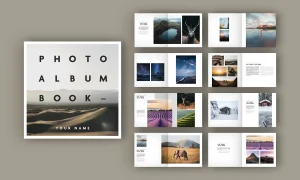
📷 Photo by etsy.com
Comparison Table: Print Characteristics
| Feature | Archival Canvas Paper | Stretched Canvas |
|---|---|---|
| Surface Texture | Subtle, paper-like | Visible woven fabric |
| Detail Retention | Excellent (High sharpness) | Moderate (Texture interference) |
| Presentation | Requires matting/framing | Ready to hang |
| Longevity | High (if acid-free) | High (if archival grade) |
| Ideal Use | Limited editions, portfolios | Decor, gallery display |
Key Factors Influencing Quality
Regardless of the medium you choose, the “archival” label is what truly matters. Archival quality means the materials are acid-free and pH-neutral, preventing the print from yellowing or becoming brittle over time. Always verify that the canvas or paper contains no optical brighteners (OBAs), as these can degrade quickly when exposed to UV light.
One common mistake artists make is choosing a low-quality canvas weave for high-detail imagery. A very coarse weave will break up the lines of a digital vector illustration, making the print look pixelated or blurry. Conversely, choosing a paper that is too thin will lead to warping or “cockling” when the ink hits the surface.
How to Select the Right Medium
Follow these steps to ensure you choose the best option for your specific project:
- Evaluate your artwork’s resolution; if the image relies on microscopic detail, opt for archival paper.
- Assess the end-user’s needs; if they want a “ready-to-hang” solution, choose stretched canvas.
- Check the GSM (grams per square meter) of the material; for paper, aim for 300gsm or higher for a premium feel.
- Inspect the coating; ensure it is designed for your specific ink type, whether it be pigment-based or dye-based.
- Consider the environment; if the print will be in a high-humidity area, ensure the canvas has a protective UV-resistant varnish layer.
Common Risks and Maintenance
Stretched canvas is prone to sagging over time if the environment experiences drastic shifts in temperature or humidity. To mitigate this, look for stretcher bars that feature tension keys, which allow you to tighten the canvas periodically. Archival paper, while stable, is susceptible to moisture damage if not properly framed with a spacer between the print and the glass.
Another risk factor is the printing process itself. Even the best canvas cannot compensate for a low-resolution digital file. Always ensure your source files are at least 300 DPI at the final print size to maximize the potential of your chosen medium.
Frequently Asked Questions
Q: Does stretched canvas always require a frame?
A: No, stretched canvas is designed to be hung without a frame, often with the image wrapping around the edges (gallery wrap). However, adding a floating frame can significantly elevate the professional appearance of the piece.
Q: Is archival paper better for photography than canvas?
A: Yes, in most cases. Photography benefits from the smooth surface of high-end archival paper, which allows for deeper blacks and more accurate color reproduction compared to the textured, light-diffusing surface of a canvas weave.
Q: How long do these prints typically last?
A: When using archival-grade inks and high-quality substrates, both media can last 75 to 100 years or more if kept away from direct sunlight and extreme environmental fluctuations.
Ultimately, the choice between archival canvas paper and stretched canvas comes down to the desired final experience. If you are aiming for a museum-grade archival print that highlights every pixel of your work, choose the paper. If you are creating art that is meant to occupy space, provide texture, and command attention on a wall, choose the stretched canvas.
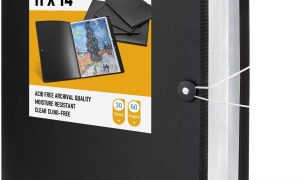
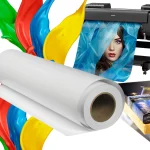
📷 Photo by printboxcm.com
Read also: Best 4K Drawing Tablet for Concept Artists and Matte Painters
📷 Photo by walmart.com