



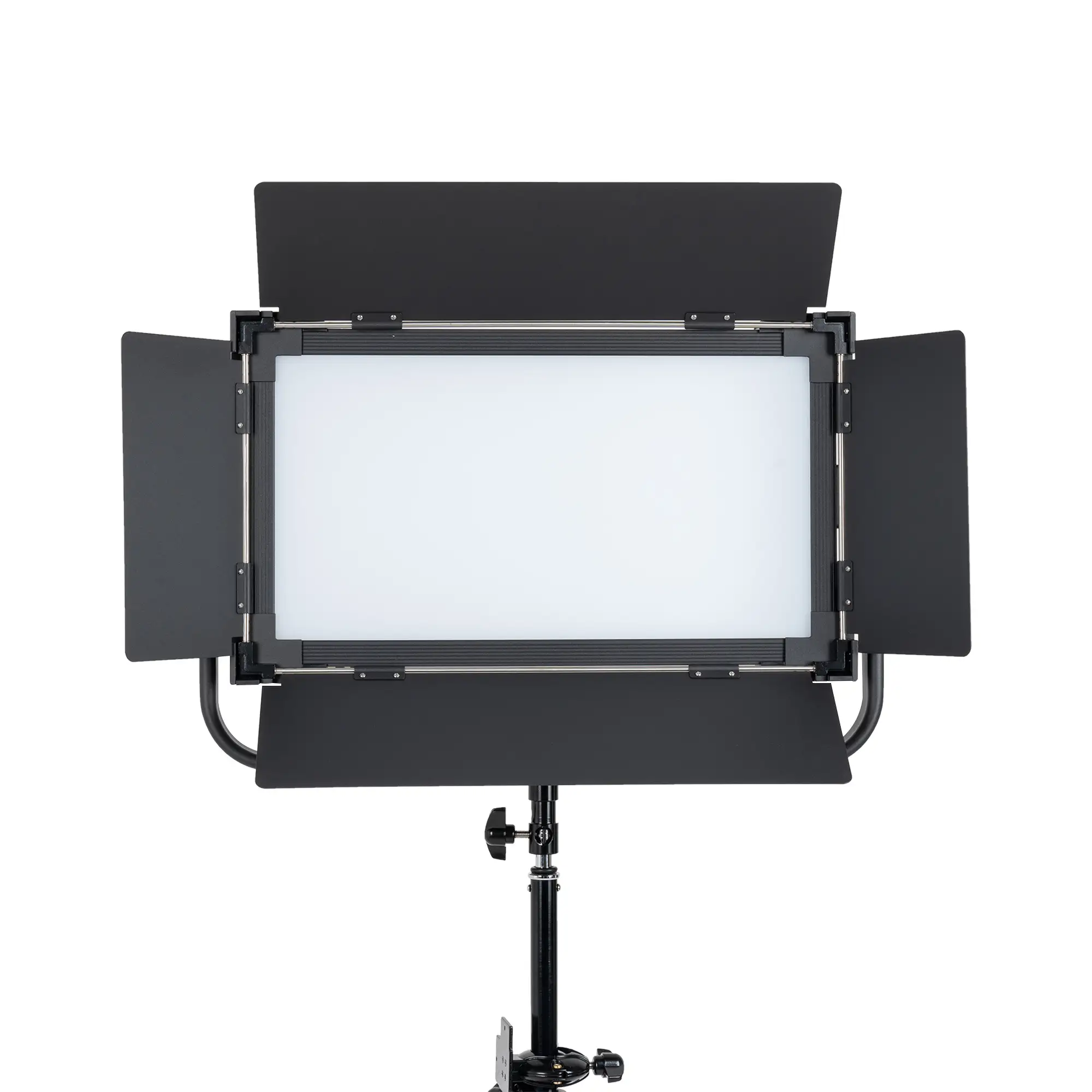
Innerspark.us – High CRI LED panels provide superior color accuracy and consistent flicker-free output compared to fluorescent lights, making them the industry standard for professional studio environments. While fluorescent tubes often suffer from color shifting and ballast flickering over time, LED technology offers stable spectral distribution and significantly longer operational lifespans.
Understanding Color Rendering Index (CRI)
The Color Rendering Index is a quantitative measure of the ability of a light source to reveal the colors of various objects faithfully in comparison with an ideal or natural light source. For professional video and photography, a high CRI—typically 95 or above—is essential to ensure that skin tones appear natural and that textures do not lose their vibrancy. Fluorescent lights, even those labeled as “daylight balanced,” often possess a “spiky” spectral output that leaves gaps in the color spectrum, leading to a greenish or magenta cast that is notoriously difficult to correct in post-production.
The Evolution of Studio Lighting
For decades, fluorescent studio lights were the budget-friendly workhorse for production studios. They were favored for their soft, diffuse quality and low heat output compared to traditional tungsten bulbs. However, fluorescent tubes degrade over time. As the phosphor coating inside the tube ages, the light quality shifts, leading to inconsistent color temperatures across a multi-light setup. This creates a nightmare for editors who have to color-match footage from different cameras or light sources within the same scene.
📷 Photo by indiamart.com
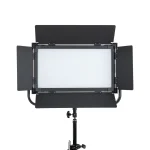
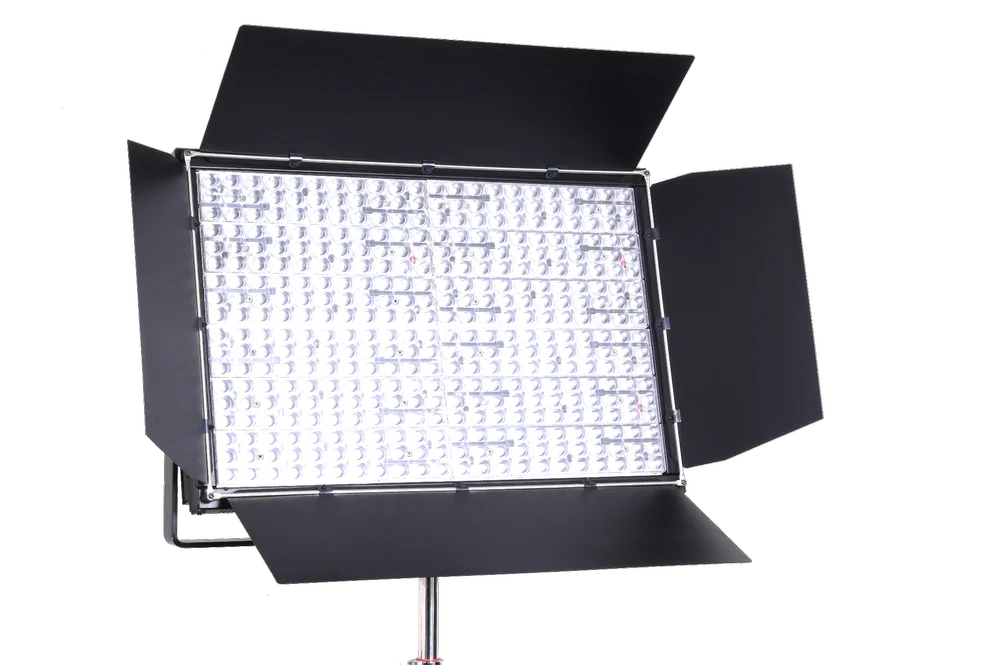
High CRI LED panels have effectively solved these inconsistencies. By utilizing advanced diode technology, these panels maintain a constant color temperature throughout their life cycle. Furthermore, they are flicker-free, which is critical for high-frame-rate shooting. Fluorescent lights rely on magnetic ballasts that can induce a subtle flicker, which might not be visible to the naked eye but can manifest as dark banding in video footage when shooting at higher shutter speeds.
Comparative Analysis: LED vs. Fluorescent
| Feature | High CRI LED Panel | Fluorescent Studio Light |
|---|---|---|
| Color Accuracy (CRI) | 95 – 98+ (Consistent) | 80 – 90 (Variable) |
| Flicker Risk | Non-existent (DC power) | High (AC ballast issues) |
| Lifespan | 50,000+ hours | 5,000 – 10,000 hours |
| Heat Output | Low (Efficient) | Moderate (Requires cooling) |
| Durability | High (Solid state) | Fragile (Glass tubes) |
Practical Steps to Transition Your Studio
Moving from a legacy fluorescent setup to a modern LED rig requires careful planning to ensure your lighting remains consistent. Follow these steps to upgrade your studio effectively:
- Assess your current power distribution and grid compatibility to ensure the new LED panels can be integrated into your existing workflow without overloading circuits.
- Audit your existing light modifiers; while some fluorescent softboxes can be adapted, most high-end LED panels require specific mounting brackets or dedicated softbox attachments to maintain proper diffusion.
- Calibrate your color temperature settings; start by setting your camera to a fixed Kelvin value rather than Auto White Balance to ensure the consistency of your new LED output.
- Perform a spectral test using a professional light meter or a color chart to map out any minor deviations, allowing you to create custom presets in your color grading software.
- Dispose of your old fluorescent tubes according to local hazardous waste regulations, as they contain trace amounts of mercury that are harmful to the environment.
Common Pitfalls When Switching to LEDs
📷 Photo by lishuai-lighting.com
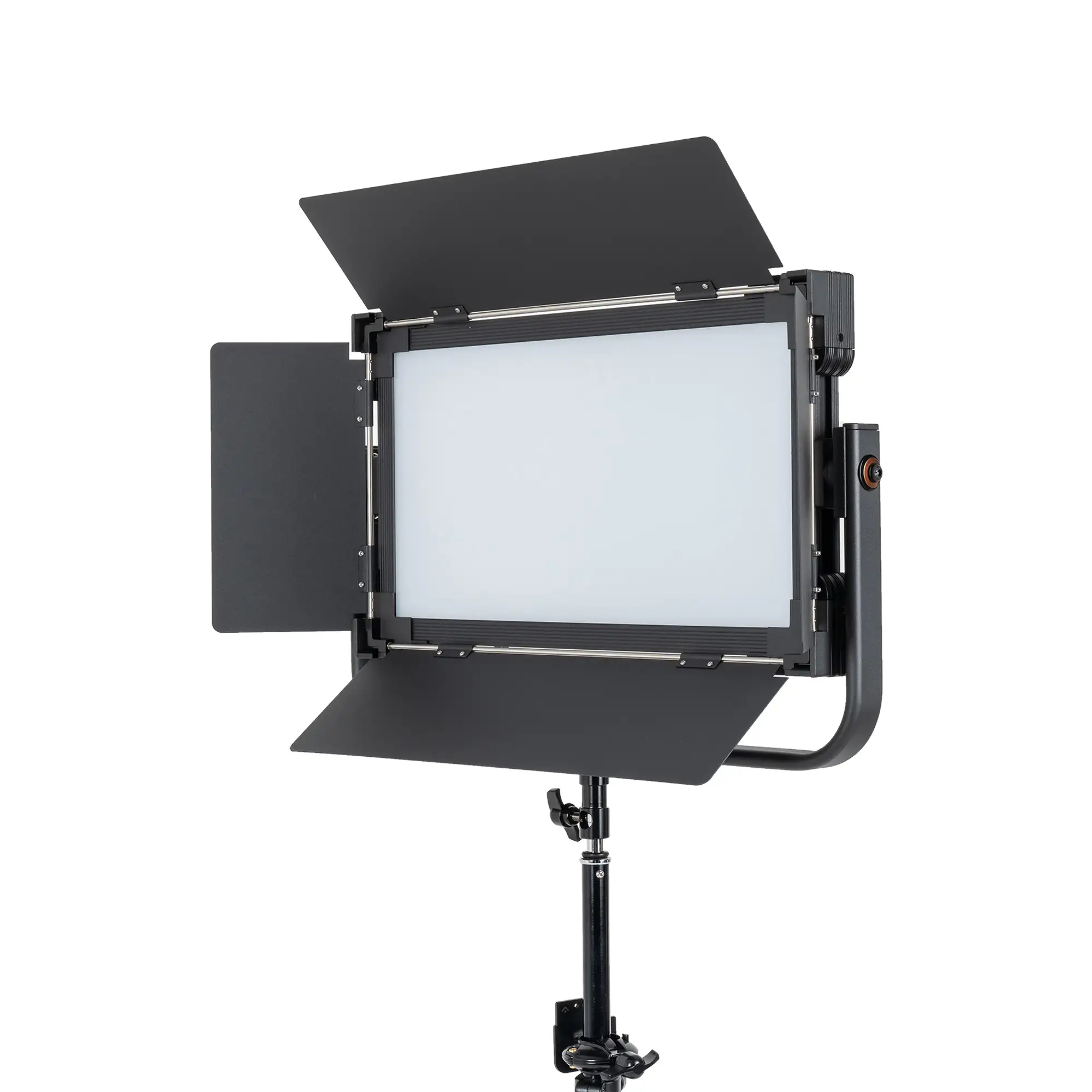
One of the most frequent mistakes creators make is mixing legacy fluorescent lights with new high-CRI LEDs. Because the spectral outputs differ significantly, your camera sensor will struggle to interpret the color data, resulting in “mixed lighting” that is incredibly difficult to fix in editing. It is always better to transition the entire key lighting setup to the same technology.
Another issue is the “green shift” found in cheaper LED panels. Even if a manufacturer claims a high CRI, budget diodes often have a spike in the green spectrum. Always look for TLCI (Television Lighting Consistency Index) ratings in addition to CRI. A TLCI of 95+ is a more accurate indicator of how a light will perform with digital sensors, ensuring your skin tones look professional and healthy.
The Importance of Thermal Management
While LEDs are more efficient than fluorescent lights, they still generate heat at the diode level. High-quality panels use passive or active cooling to manage this heat. If the diodes get too hot, their color output can shift, and their lifespan will decrease significantly. When choosing a panel, look for robust aluminum housing, which acts as a heat sink. Avoid panels that feel overly plasticky or lack ventilation, as these will inevitably lead to color inconsistency over a long production day.
FAQ: Lighting Consistency
Q: Why do my videos look green even with a high CRI light?
A: Your light may have a high CRI but a poor TLCI rating, or it may have a green tint due to manufacturing inconsistencies. Use a magenta or “minus-green” gel to correct this during production if the light cannot be calibrated.
Q: Can I use a dimmer on my LED panels without affecting color?
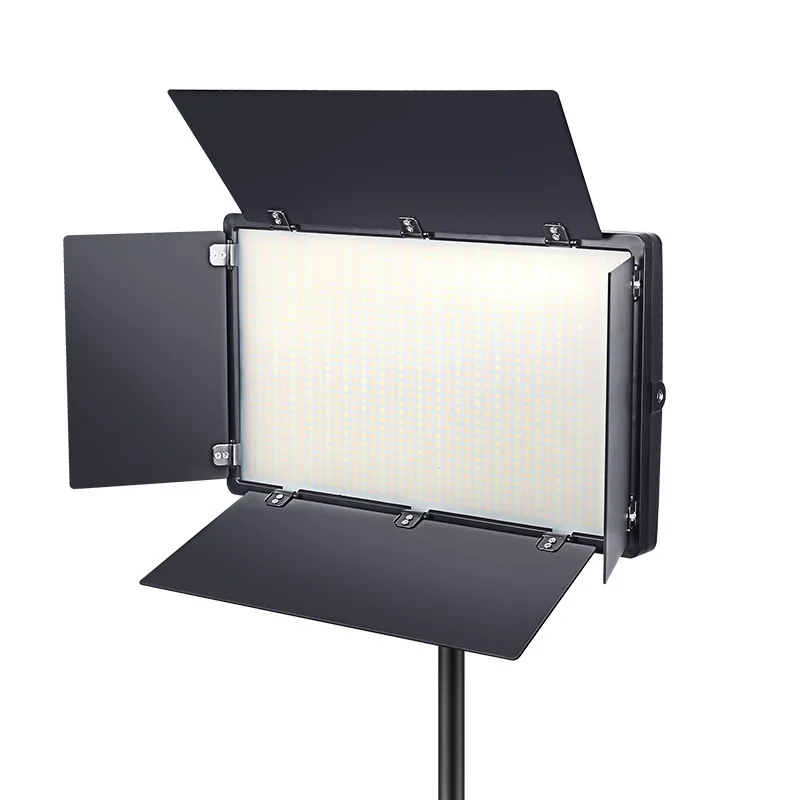
A: High-quality professional LED panels use pulse-width modulation (PWM) or constant current reduction to dim, which prevents color shifting. Avoid extremely cheap panels, as they often change in color temperature as you turn the brightness down.
Q: How often should I test my lights for consistency?
📷 Photo by alibaba.com
A: If you are doing high-end commercial work, test your lights every six months using a color checker chart. This helps you identify if any diodes are beginning to fail or if the light output has drifted over time.
Final Considerations for Studio Longevity
Investing in high CRI LED panels is not just about immediate visual quality; it is about future-proofing your studio. By eliminating the maintenance associated with replacing fluorescent bulbs and dealing with ballast hum, you save significant time and money in the long run. Focus on reputable brands that provide spectral data sheets, and prioritize fixtures that offer consistent performance across the entire dimming range. With the right hardware, you can achieve a cinematic look that stays consistent from the first take to the last.
📷 Photo by lishuai-lighting.com