





Innerspark.us – Creating a cohesive fine art body of work requires a singular conceptual anchor, a consistent visual language, and a deliberate restriction of your medium or color palette to ensure each piece functions as part of a unified narrative rather than a collection of isolated experiments.
Many emerging artists struggle with the “everything bagel” approach, where they attempt to showcase every technique or style they have mastered in a single exhibition. This lack of focus often confuses the viewer and dilutes the emotional impact of the artwork. A cohesive body of work acts like a visual conversation; if the tone is constantly shifting, the audience will struggle to follow the thread of your intent.
Defining Your Conceptual Anchor
The foundation of any cohesive series is a strong, central concept. This does not necessarily mean you need a complex philosophy, but you do need a specific “why.” Ask yourself if the work is exploring a specific memory, a critique of a social structure, or a fascination with a particular light quality. When you have a firm grasp on the core concept, you can filter every creative decision through that lens.
If you find your work drifting, return to your anchor. Ask if the current piece you are working on serves the concept or if it is merely a distraction. A body of work is often defined as much by what you choose to exclude as by what you choose to include.
The Importance of Visual Consistency
Visual consistency is the glue that holds a series together. This is achieved through a controlled set of formal elements. Think of this as the “vocabulary” of your series. If you use a chaotic, high-contrast style in one piece and a minimalist, muted style in the next, the viewer will perceive them as belonging to two different artists. You must establish rules for your work early on.
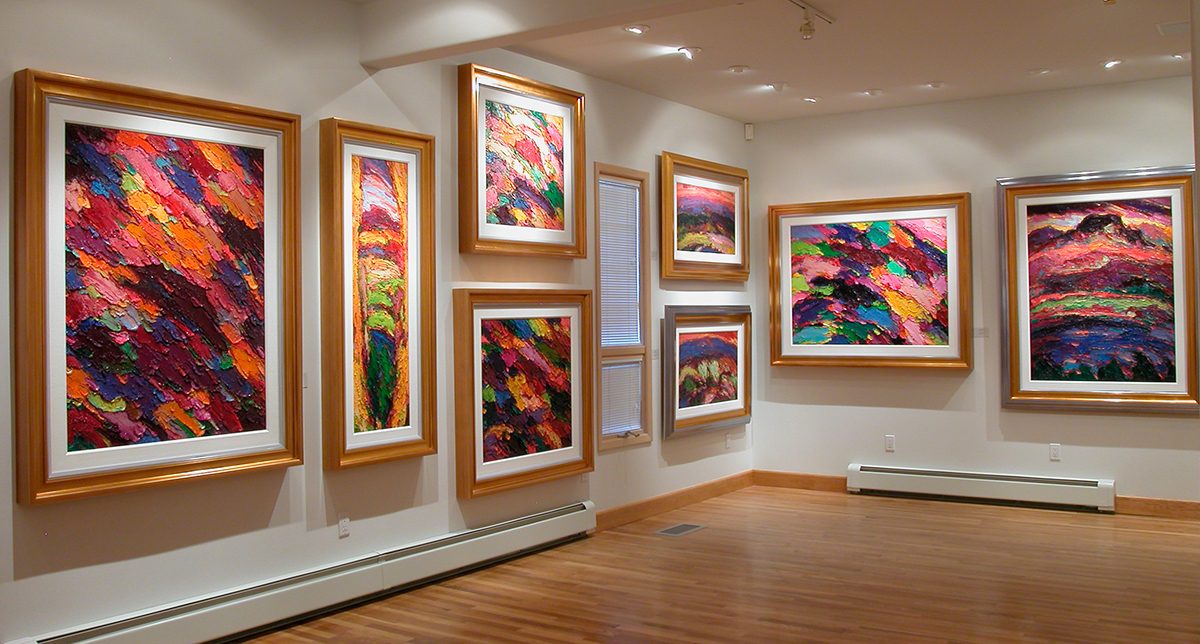
Consistency does not mean repetition. It means establishing a recognizable logic. For example, if you are a painter, you might decide to use a specific limited palette for all works in a series. If you are a photographer, you might commit to using only natural light or a specific focal length. These limitations actually foster creativity by forcing you to solve problems within a defined space.
Practical Steps to Building Your Series
Developing a cohesive body of work is a process of iteration and refinement. Follow these steps to ensure your artistic vision remains focused:
- Draft a project statement: Write down exactly what you are trying to explore. Keep it under 200 words to ensure the idea is distilled and manageable.
- Establish your constraints: Create a list of “rules” for the series, such as color palette, material choices, or size dimensions.
- Create a small batch: Produce three to five pieces first. Lay them out together to see how they speak to one another.
- Critique the flow: Identify the outliers. If one piece feels “loud” or disconnected, determine if it needs adjustments to match the others or if it should be removed from the series entirely.
- Expand with intention: Once the core group feels solid, move toward larger pieces or more complex compositions, always referencing the initial constraints.
Tools for Maintaining Cohesion
Using a structured approach to your planning can help keep your creative output aligned with your goals. The following table illustrates common constraints artists use to maintain visual unity across different mediums.
Read also: How to Handle Copyright Infringement When Someone Steals Your Art
| Element | Cohesion Strategy | Impact on Viewer |
|---|---|---|
| Color Palette | Limit to 3-5 harmonious colors | Creates an immediate emotional mood |
| Materiality | Use the same substrate or base | Provides a tactile sense of continuity |
| Scale | Maintain consistent dimensions | Sets the physical rhythm of the display |
| Technique | Consistent mark-making or exposure | Establishes the artist’s unique “hand” |
Common Pitfalls to Avoid
One of the most common mistakes is the fear of boredom. Artists often feel they must change things up to keep the work “interesting.” However, in a fine art context, the interest comes from the depth of the exploration, not the variety of the techniques. If you find yourself wanting to switch styles, save those ideas for a separate body of work. Trying to force two different artistic languages into one series usually results in a disjointed experience for the collector or gallery curator.
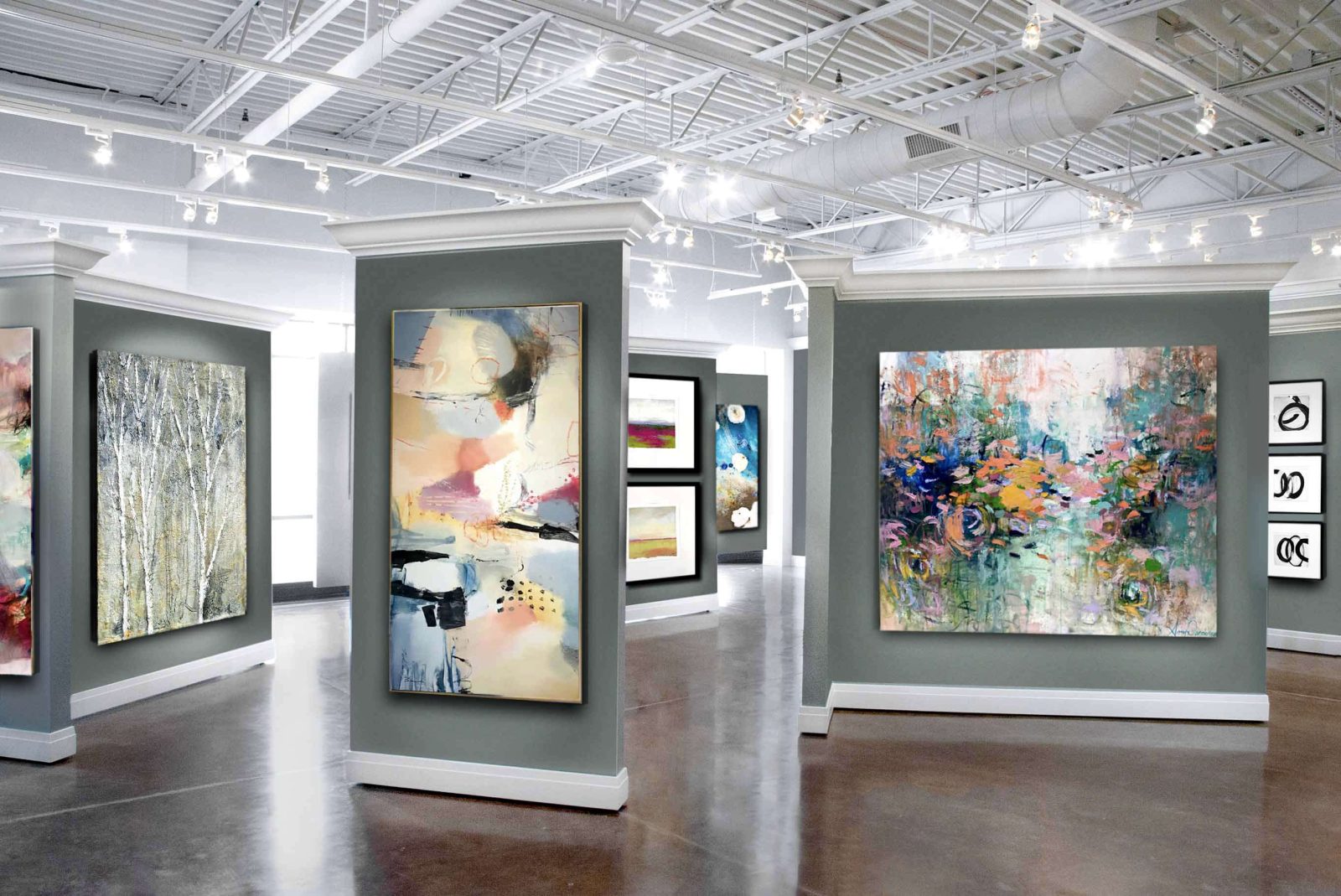
Another pitfall is the lack of a “bridge” piece. Sometimes, a series needs a piece that is slightly different to act as a transition between two distinct ideas. While you want consistency, you also want to avoid monotony. Allow for subtle variations in composition or subject matter, as long as the underlying visual rules remain intact.
📷 Photo by artpostgallery.com
Evaluating Your Progress
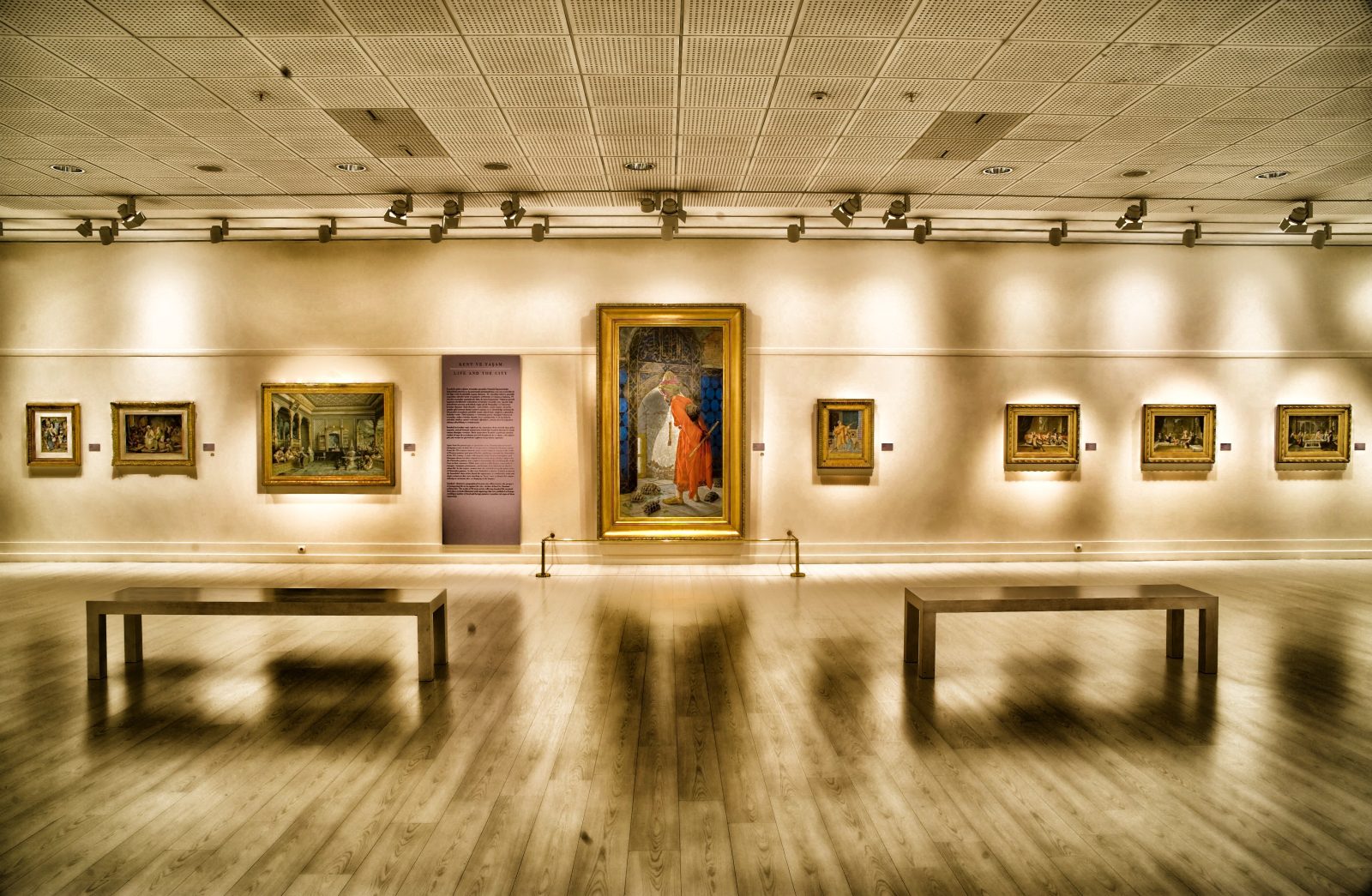
When you have a collection of works, look at them as a whole. You should be able to identify the “DNA” of the project in every single piece. If a viewer can walk away from your exhibition and describe the “look and feel” of your work in one or two sentences, you have successfully created a cohesive body of work. This clarity is what makes your portfolio professional and memorable to those who buy and curate art.
Frequently Asked Questions
Q: How many pieces should I include in a cohesive body of work?
📷 Photo by pxhere.com
A: There is no magic number, but for a professional exhibition or portfolio, a series typically contains between 7 and 15 pieces to show enough depth without becoming repetitive.
Q: Is it possible to have two different styles in one series?
📷 Photo by jimrabby.com
A: It is possible if there is a strong conceptual link or a shared visual element, such as color or texture, that bridges the gap between the two styles.
Q: What should I do if I get bored with my current series?
A: If you feel bored, it is often a sign that you have exhausted the current concept; finish the series to a logical conclusion and then document it before beginning a new project with new constraints.
By treating your artistic output as a curated project rather than a collection of random efforts, you elevate your practice. Cohesion is the hallmark of a mature artist who understands that the most powerful messages are delivered through focus and intent.
📷 Photo by pxhere.com