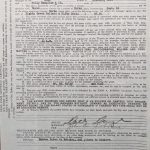




Innerspark.us – Licensing your artwork to brands involves granting a company the legal right to use your creative assets for specific products or marketing campaigns while you retain copyright ownership and receive recurring royalty payments or flat fees. Securing a professional agreement requires a clear definition of the usage scope, territory, duration, and financial compensation to protect your intellectual property rights.
Understanding the Core of Art Licensing
📷 Photo by visiblevibrations.com
Art licensing is a business model where you, the artist, act as the licensor. You are essentially renting out your work rather than selling it outright. This allows you to generate multiple streams of income from a single piece of art by licensing it to different companies across various industries, such as stationery, home decor, apparel, or digital media.
The primary benefit of this model is scalability. Unlike selling an original painting once, a licensed image can appear on thousands of products, providing long-term passive income. However, success depends entirely on the strength of your contract. A vague agreement can lead to lost revenue, unauthorized use, or the permanent loss of control over your brand identity.
Key Elements of a Licensing Contract
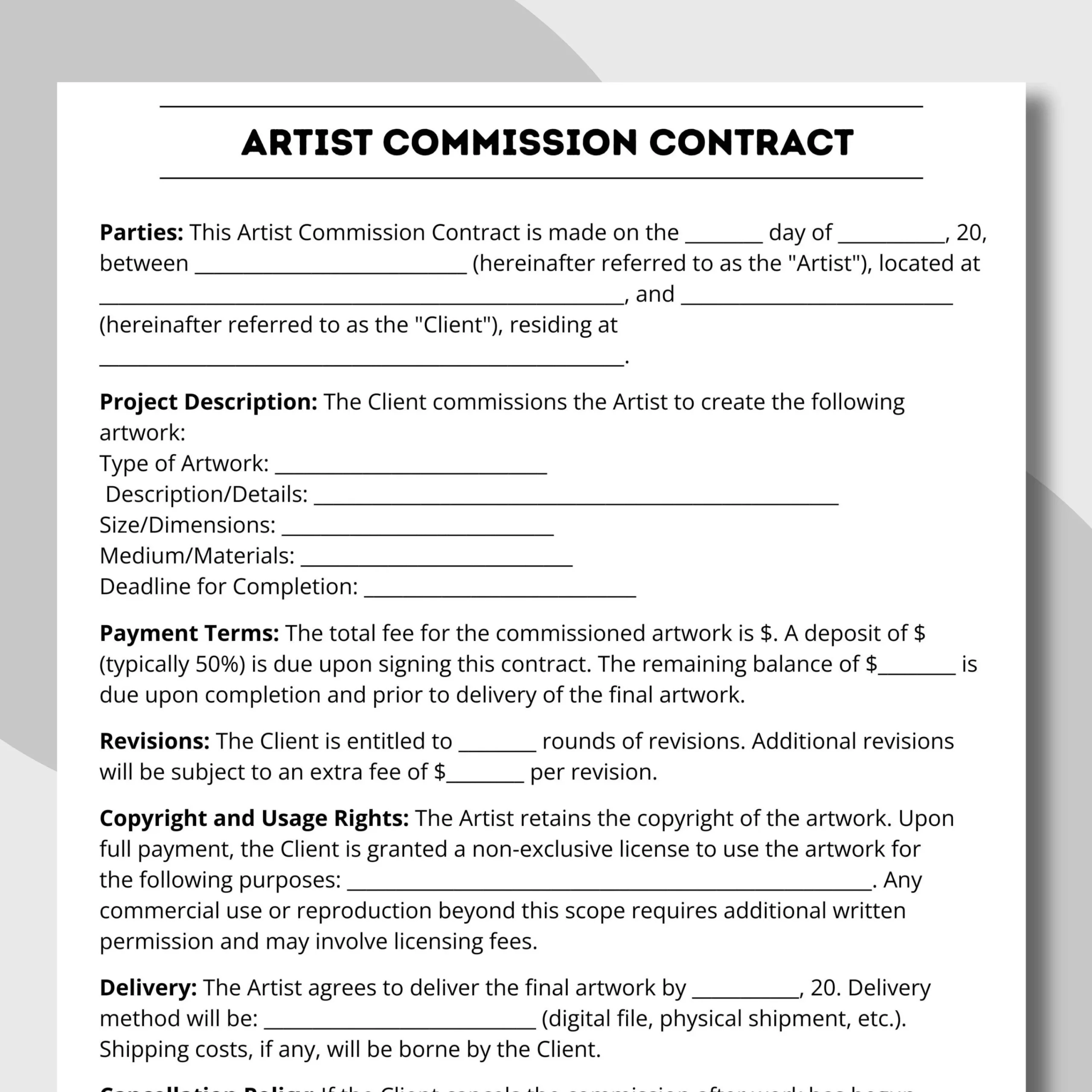
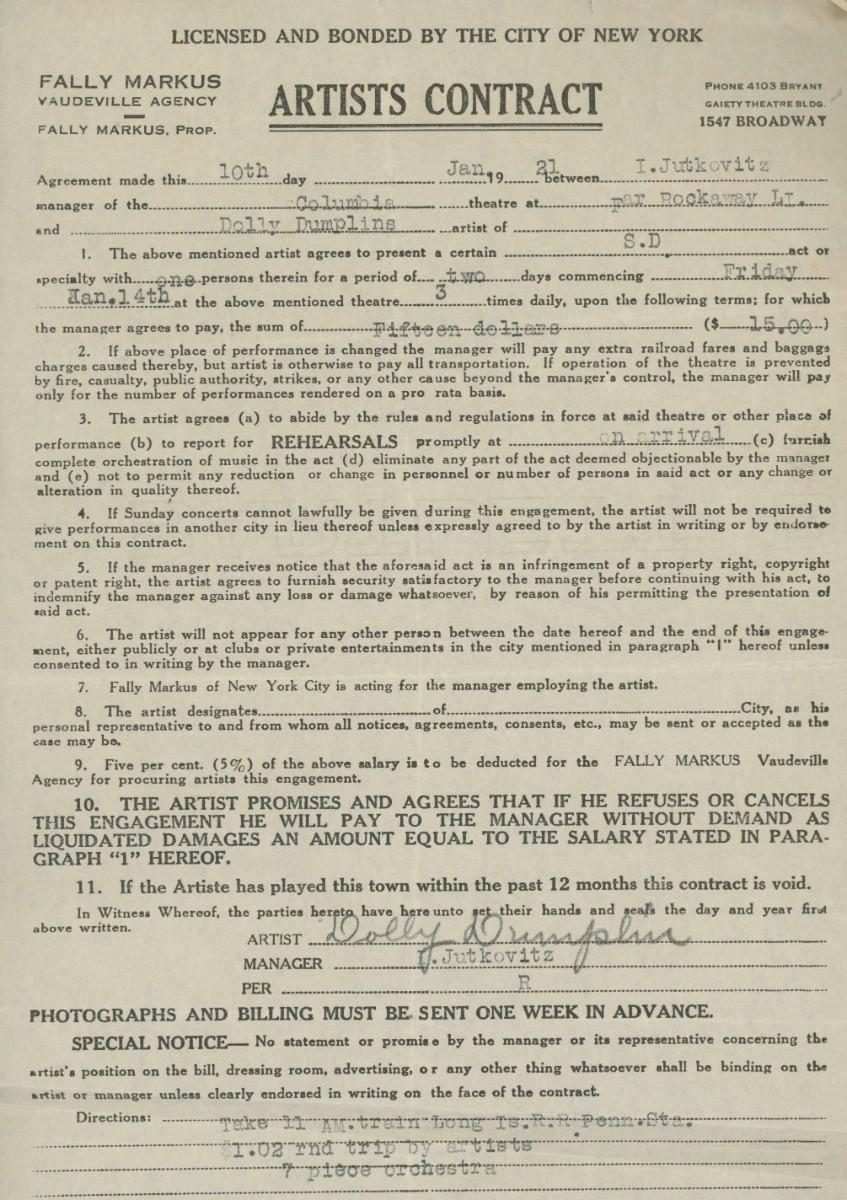
Before signing any document provided by a brand, you must ensure it covers the specific limitations of their use. Most contracts include a “Scope of Use” clause that explicitly states where the art can appear. If a contract is too broad, such as allowing “all media in perpetuity,” you effectively lose the ability to license that work elsewhere.
Another critical component is the royalty rate. Industry standards vary, but most royalties range between 3% and 10% of the wholesale price of the product. Flat fees are sometimes preferred by artists for smaller projects, but royalties are the engine behind sustainable growth in the licensing industry.
Comparison of Licensing Models
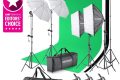
Read also: Ring Light vs Two-Point Studio Lighting Kit for Artist Vlogging
| Model Type | Payment Structure | Control Level | Best For |
|---|---|---|---|
| Flat Fee | One-time payment upfront | Low | Quick projects, small brands |
| Royalty-Based | Percentage of wholesale sales | Medium | High-volume retail products |
| Hybrid | Advance against royalties | High | Established artists, major brands |
Steps to Secure and Negotiate Your Licensing Deal
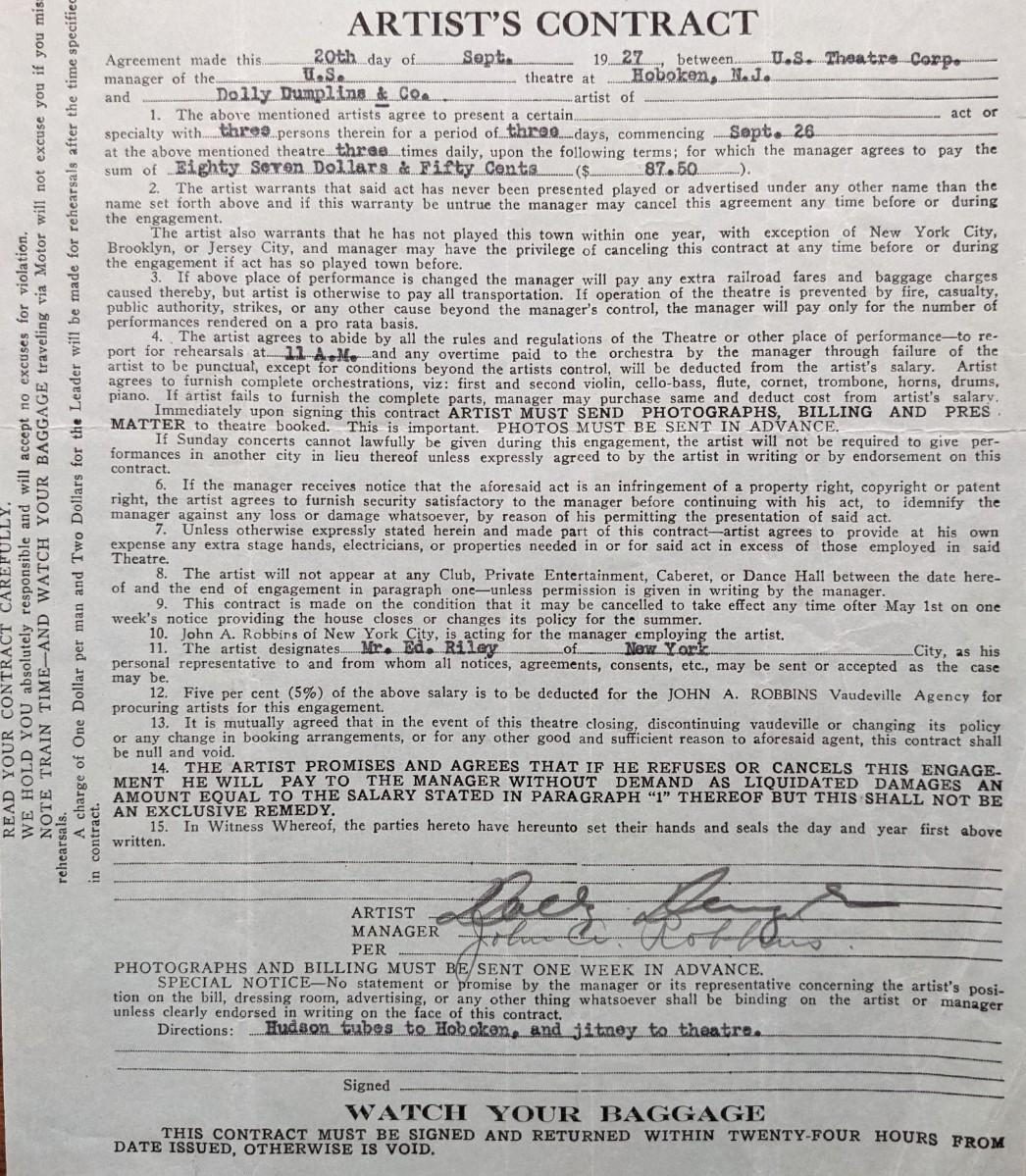
📷 Photo by etsy.com
📷 Photo by estatesales.org
Navigating the legal landscape of art licensing can be daunting, but following a structured process minimizes risk and ensures you are treated as a professional partner. Follow these steps to move from initial outreach to a signed contract.
- Audit Your Portfolio: Organize your work into high-resolution files and ensure you have clear documentation that you own the copyright to every element used in the design.
- Define Your Terms: Before talking to the brand, decide on your non-negotiables, such as the duration of the license (e.g., 2 years) and the specific product categories you are willing to support.
- Review the Contract Draft: When the brand sends a contract, read it for “exclusive” versus “non-exclusive” clauses. An exclusive license means only they can use your art for that specific product category; non-exclusive allows you to license the same art to others.
- Address Territory and Term: Ensure the contract specifies where the products can be sold (e.g., North America vs. Worldwide) and how long the agreement lasts. Always include a “reversion of rights” clause so that the rights return to you if the brand fails to manufacture the product within a set timeframe.
- Consult a Legal Professional: Even if you use a template, have an intellectual property attorney review the final version to identify hidden traps, such as “work-for-hire” language which would force you to transfer your copyright permanently.
Common Mistakes to Avoid
One of the most frequent errors artists make is failing to define the “product category” clearly. If you license your art for “kitchenware,” a brand might interpret that to mean everything from tea towels to heavy-duty appliances. Always list the exact items covered to prevent the brand from expanding their usage of your art without paying you additional fees.
Another mistake is ignoring the audit clause. A contract should always grant you the right to inspect the brand’s sales records. Without this, you have no way of verifying if the royalty checks you receive accurately represent the actual sales volume of your designs.
Protecting Your Intellectual Property
Always register your artwork with the copyright office before entering into major licensing deals. While copyright exists the moment you create the work, formal registration provides you with the legal standing to sue for statutory damages if a brand breaches the contract or infringes on your rights. Keep a detailed log of all licensing agreements, including renewal dates, to ensure you don’t miss an opportunity to renegotiate your rates as your work gains popularity.
Frequently Asked Questions
Q: What is the difference between an exclusive and a non-exclusive license?
A: An exclusive license grants one specific brand the sole right to use your artwork, meaning you cannot license it to anyone else for that category. A non-exclusive license allows you to license the same artwork to multiple brands simultaneously, which often results in lower fees per contract but higher overall volume.
Q: Should I worry about “Work-for-Hire” clauses?
A: Yes, you should be extremely cautious. “Work-for-Hire” means the company becomes the legal author and owner of the work, effectively stripping you of your copyright. Avoid these clauses if your goal is to build a library of assets that you own and license repeatedly.
Q: How do I know if a royalty rate is fair?
A: Fair royalty rates are determined by the industry and the complexity of the product. Research current standards for your specific niche—such as greeting cards, fabric, or digital stationery—and do not be afraid to counter-offer if the initial proposal is significantly below the market average.
Final Thoughts on Long-Term Success
Licensing is a marathon, not a sprint. The brands that value your work will be willing to negotiate terms that respect your rights as an creator. By maintaining professional standards, keeping meticulous records of your contracts, and understanding the legal nuances of your agreements, you can turn your creative passion into a sustainable and profitable business venture.
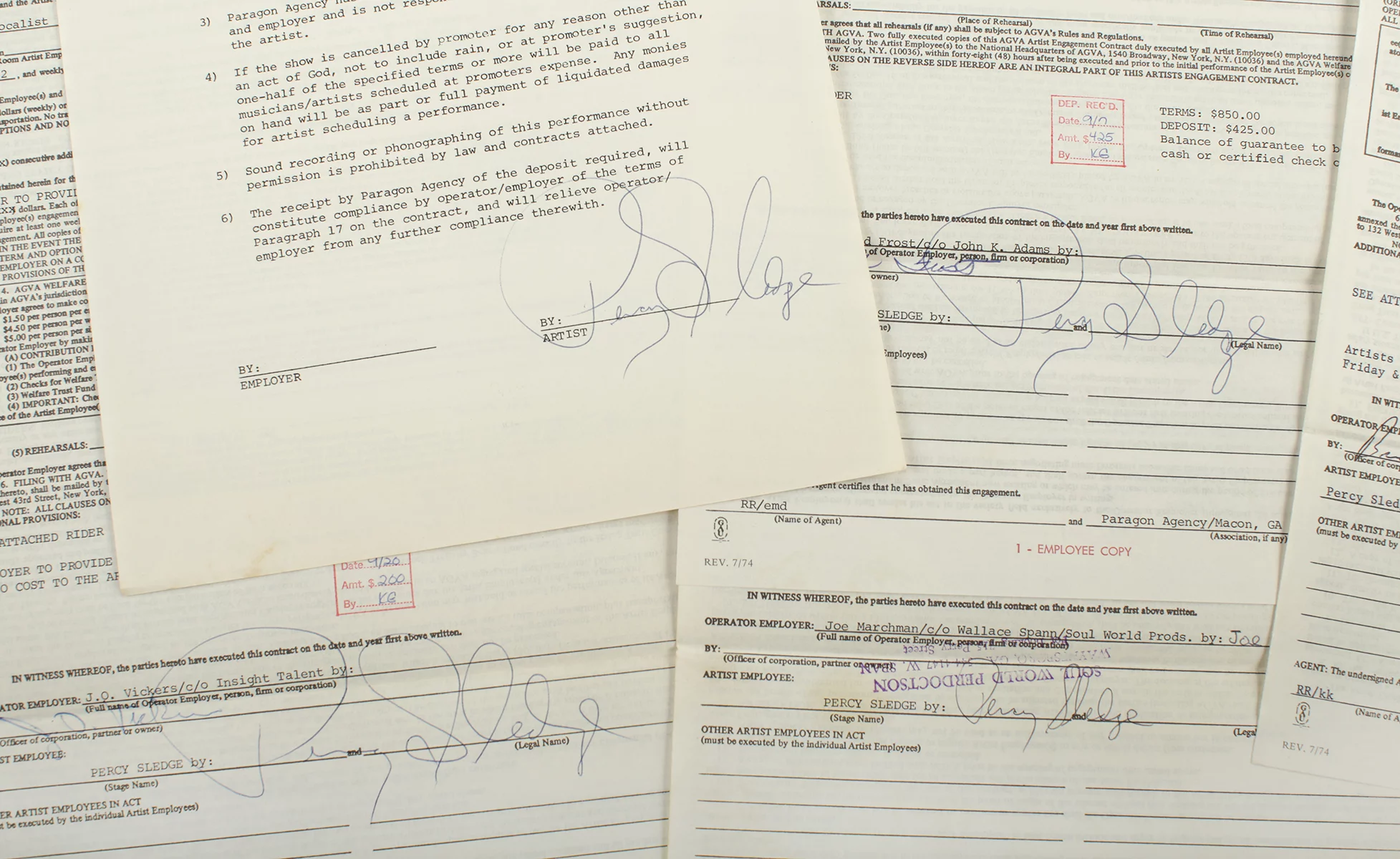
📷 Photo by estatesales.org