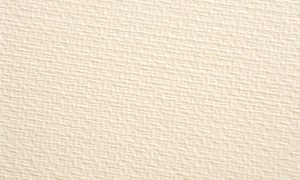







Innerspark.us – Hot press watercolor paper provides a smooth, non-textured surface ideal for fine detail and sharp reproduction, while cold press paper offers a subtle tooth that enhances depth and light-scattering properties for more traditional artistic aesthetics.
Choosing between hot press and cold press archival paper is a foundational decision that significantly alters how your digital prints or artistic reproductions interact with light and texture. Both surfaces are manufactured to be archival, meaning they are acid-free and buffered to withstand the test of time, but their physical characteristics serve vastly different visual goals.

📷 Photo by freepik.com
Understanding Hot Press Paper
Hot press paper is passed through heated metal rollers during manufacturing, which flattens the fibers and creates a silky, ultra-smooth finish. Because there is virtually no surface texture, ink sits on top of the fibers with high clarity. This makes it the superior choice for high-resolution reproductions of detailed pencil drawings, vector illustrations, or photographs where edge sharpness is the primary concern.
When you use hot press paper for fine art printing, the lack of tooth allows for incredibly crisp lines and high contrast. However, it can be less forgiving during the printing process. Because the surface is so smooth, any imperfections in the ink application or potential glare from glass framing can be more noticeable compared to textured alternatives.
Understanding Cold Press Paper
Cold press paper is pressed through cold rollers, leaving the natural texture of the paper fibers intact. This results in a medium-rough surface known as “tooth.” This texture is highly prized for watercolor reproductions because it mimics the look of authentic painting surfaces. The tiny peaks and valleys of the paper capture light differently, giving the print a sense of physical depth and a more organic, tactile feel.
The primary advantage of cold press paper is its ability to diffuse light. The texture helps hide minor printing artifacts and provides a softer, more atmospheric quality to the image. If you are reproducing an oil painting or a watercolor original, cold press is almost always the preferred choice to retain the “hand-made” aesthetic of the source material.
Comparative Analysis of Paper Surfaces
Read also: Weatherproof Artist Portfolio Case for Outdoor Art Festivals
| Feature | Hot Press | Cold Press |
|---|---|---|
| Surface Texture | Very Smooth | Light to Medium Grain |
| Best For | Fine Detail, Photography | Watercolor, Acrylic, Oil |
| Ink Absorption | Slower, stays on surface | Faster, penetrates texture |
| Visual Feel | Modern, Sharp, Precise | Traditional, Soft, Organic |
Factors Influencing Your Choice
When selecting the right paper for reproduction, you must consider the nature of your original artwork. A hyper-realistic portrait with fine hair details will almost certainly benefit from the precision of hot press paper. Conversely, an impressionistic landscape with heavy brushwork will look artificial on a smooth surface; it requires the texture of cold press paper to bridge the gap between digital reproduction and physical art.
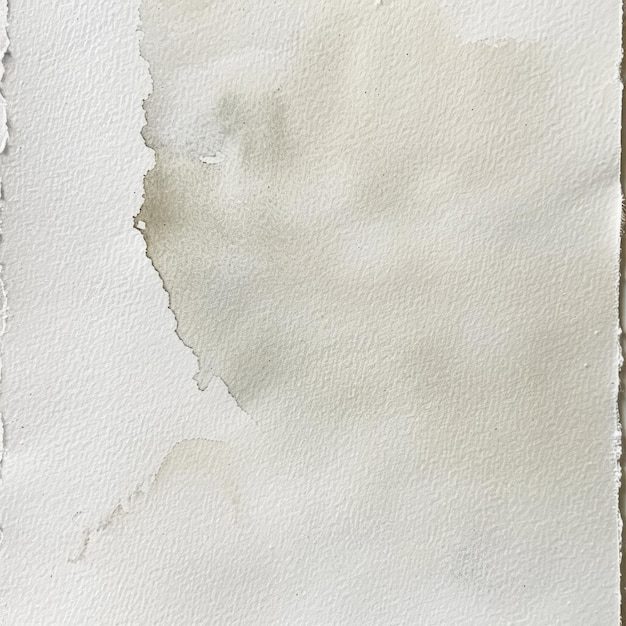
Another factor is the framing requirement. If you intend to frame your prints behind glass, hot press paper can sometimes suffer from “Newton’s rings” or a sticking effect if the print is pressed directly against the glass. Cold press paper creates a microscopic air gap due to its texture, which often prevents these issues and maintains a better appearance over time.
📷 Photo by freepik.com
Step-by-Step Selection Process for Prints
If you are struggling to decide which paper to utilize for your next batch of reproductions, follow this workflow to ensure professional results:

📷 Photo by paintingvalley.com
- Evaluate the original medium: Identify if the source work relies on sharp edges (pencil, ink, digital) or soft gradients (watercolor, gouache, oils).
- Perform a small-scale print test: Print a 4×6 inch section of your image on both hot and cold press samples to see how the ink reacts to the specific surface tension.
- Check for detail retention: Use a magnifying glass to inspect the fine lines on the hot press sample; if the lines appear blurry, it may be a sign that the ink is spreading too much on that specific brand of paper.
- Consider the final display environment: If the artwork is for a portfolio, hot press is often easier to handle. If it is for wall display, choose the texture that best complements the lighting of the room.
- Finalize the archival profile: Ensure that your chosen paper is 100% cotton rag and OBA-free (Optical Brightening Agents) to guarantee the longest lifespan for your reproductions.
Common Mistakes to Avoid
A frequent error is assuming that heavier weight paper always equates to better quality. While 300gsm is the industry standard for archival reproductions, the material composition (cotton vs. wood pulp) is far more important. Always prioritize 100% cotton rag, as wood pulp paper, even if labeled archival, may yellow over decades due to lignin content.
Another common mistake is neglecting the printer profile. Every paper surface interacts with ink differently. If you switch from hot press to cold press, you must update your ICC profile in your printing software. Failing to do so will result in inaccurate colors, as the texture of cold press paper changes the way light reflects off the ink droplets.
Addressing Potential Risks
The primary risk when using hot press paper is the potential for ink smearing during the drying process, as the smooth surface provides less “grip” for the pigments. Ensure you allow sufficient drying time before stacking or packaging your prints. With cold press, the risk lies in the texture catching dust or debris during the printing process. Keep your workspace clean, as particles can easily hide in the tooth of the paper and cause white spots in your finished print.
Frequently Asked Questions
Q: Does hot press paper make colors look more vibrant?
A: Yes, because the ink sits on the surface rather than sinking into the texture, hot press paper often produces deeper blacks and slightly higher color saturation compared to cold press.
Q: Is cold press paper harder to scan later?
A: Yes, the texture of cold press paper can create tiny shadows when scanned, which may require post-processing to smooth out compared to the flat, easy-to-scan surface of hot press paper.
Q: Can I use both for the same series of prints?
A: You can, but it is generally recommended to stick to one finish per collection to maintain a consistent brand identity and aesthetic experience for your collectors.
Ultimately, the choice between hot press and cold press is subjective and guided by the artistic intent of the work. By understanding the physical interaction between your ink and the paper’s surface, you can ensure that your reproductions are not just copies, but high-quality artistic statements that honor the original piece.
📷 Photo by depositphotos.com