




Innerspark.us – A high-profile portrait photography portfolio must be curated by selecting only your top 10–15 images that demonstrate consistent technical mastery, a distinct artistic signature, and the specific emotional depth required by elite commercial or editorial clients.
Curating a portfolio for high-end clients is not about showing everything you have ever shot; it is about showing exactly what you want to be hired to shoot again. When targeting high-profile clients, your portfolio acts as a visual contract of your capabilities. These clients are not looking for a jack-of-all-trades; they are looking for a specialist who can deliver a specific aesthetic and professional reliability under pressure.
The Psychology of Selection
The biggest mistake photographers make is including “filler” images to make their portfolio look larger. In the world of high-profile portraiture, your portfolio is judged by its weakest image. If you include one mediocre shot, a potential client will assume that is the ceiling of your talent. Be ruthless. If an image does not contribute to the narrative of your brand or showcase a high-level skill, it does not belong in your collection.
Focus on versatility within your style. For example, if you are a lifestyle portrait photographer, your portfolio should show a mix of candid moments and controlled lighting setups. This proves you can handle different environments while maintaining your unique color grade and composition style.
Strategic Portfolio Structure
High-profile clients are busy. They will spend less than thirty seconds scanning your work before deciding whether to move forward. Your curation needs to have a clear flow that guides their eye. Start with your strongest, most “wow-factor” image, and end with an image that is equally memorable. The middle of your portfolio should serve as the bridge that demonstrates your range and technical consistency.
Comparison: Portfolio Quality Metrics
| Criteria | Amateur Approach | High-Profile Approach |
|---|---|---|
| Image Count | 30+ images (often repetitive) | 10–15 images (tightly curated) |
| Subject Variety | Random snapshots of friends | Curated subjects fitting target niche |
| Technical Quality | Mixed lighting and exposures | Consistent color science and retouching |
| Narrative | None | Consistent mood and visual story |
Step-by-Step Curation Workflow
Follow this systematic approach to ensure your portfolio meets the industry standard for high-end photography:
- The Raw Dump: Gather all your best work from the past two years into one folder. Do not judge them yet; just gather everything that you feel proud of.
- The Technical Filter: Remove any images that have questionable focus, poor skin retouching, or distracting background elements. High-profile clients demand perfection in the details.
- The Brand Alignment Check: Sort the remaining images by your target client. If you want to work for fashion magazines, remove the casual family portraits. If you want to work for corporate CEOs, remove the experimental artistic nudes.
- The Narrative Flow: Arrange your final selection to tell a story. Ensure that the skin tones and lighting styles transition smoothly from one image to the next.
- The Third-Party Audit: Ask a peer or a mentor who has worked with high-profile clients to critique your selection. Listen to what they suggest removing, not just what they praise.
Common Pitfalls to Avoid
One common error is the “over-retouching trap.” While high-profile photography requires professional post-production, excessive skin smoothing or unnatural color shifts can make you look like an amateur who is trying to hide technical flaws. Keep your retouching clean, natural, and consistent. Clients want to see that you understand light, not just that you know how to use software.
Another pitfall is failing to update your portfolio regularly. If your portfolio looks the same as it did three years ago, you appear stagnant. Even if you are not shooting new projects, personal projects can serve as powerful placeholders to show that you are constantly evolving your craft.
The Importance of Context
Contextualize your work by including brief, professional captions. Mention the purpose of the shoot—whether it was an editorial commission, a commercial campaign, or a personal project. This gives clients insight into your professional experience. If you have worked with notable brands or public figures, a subtle mention of the publication or client adds social proof that builds immediate trust.
Remember that your portfolio is a living document. It should grow and change as your career progresses. Do not be afraid to remove your favorite image if it no longer fits the level of quality you are currently producing. Growth requires letting go of past work to make room for your new, more sophisticated style.

📷 Photo by canva.com
Frequently Asked Questions
Q: Should I include personal work in my professional portfolio?
A: Yes, but only if the personal work matches the quality and style of the commercial work you want to be hired for. High-profile clients value creative vision, and personal projects often display your true artistic potential better than commissioned work.
Q: How often should I refresh my portfolio images?
A: Aim for a comprehensive review every six months. You should be constantly swapping out your oldest or weakest work for your newest, strongest images to ensure your brand stays fresh and relevant.
Q: Is it better to have a wide variety of styles or one specific niche?
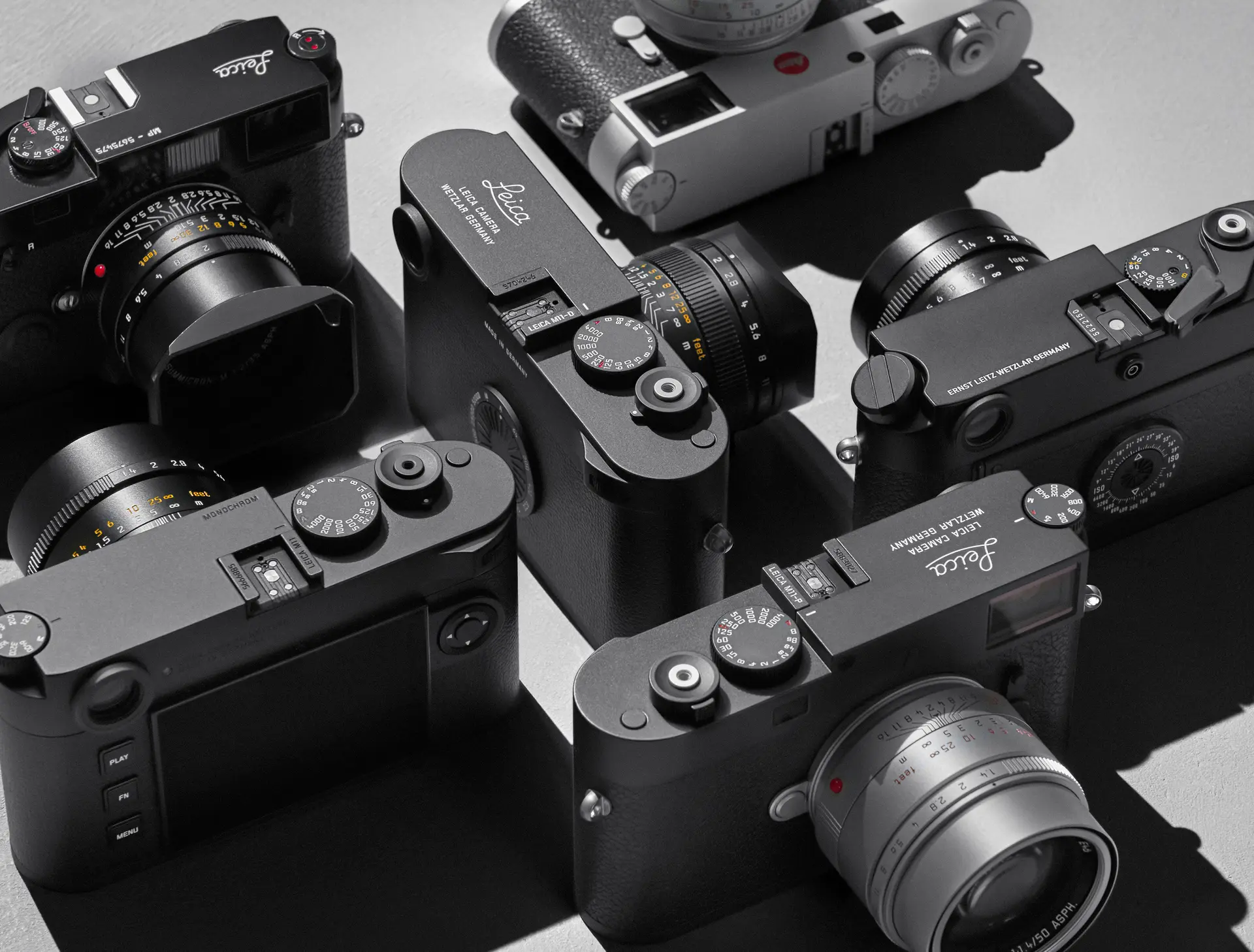
📷 Photo by leica-camera.com
A: For high-profile clients, a specific niche is almost always better. It allows you to become the “go-to” expert for a particular look, which makes you a safer and more attractive hire for premium budgets.
Finalizing your portfolio is an exercise in discipline. By focusing on quality over quantity and aligning your work with the specific expectations of your target audience, you position yourself as a serious professional. Treat your portfolio like a business asset, and you will find that the right clients begin to seek you out.
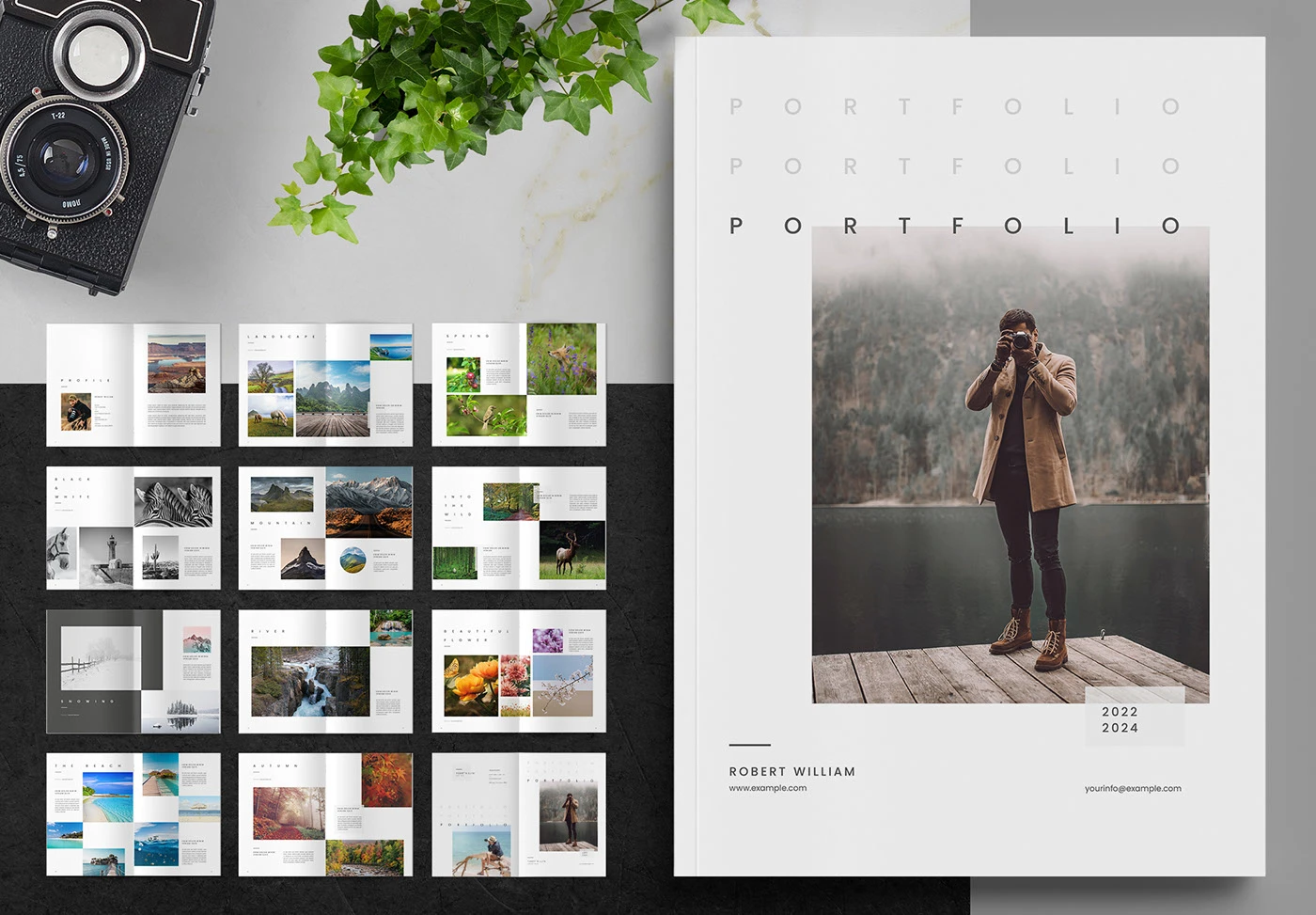
📷 Photo by behance.net