




Innerspark.us – Setting up a print-on-demand shop on your art website involves integrating a specialized fulfillment API with your existing portfolio to automate production, shipping, and inventory management without requiring physical stock. By connecting services like Printful or Printify to your site, you transform your digital gallery into a functional storefront that creates and delivers high-quality merchandise only when a customer places an order.
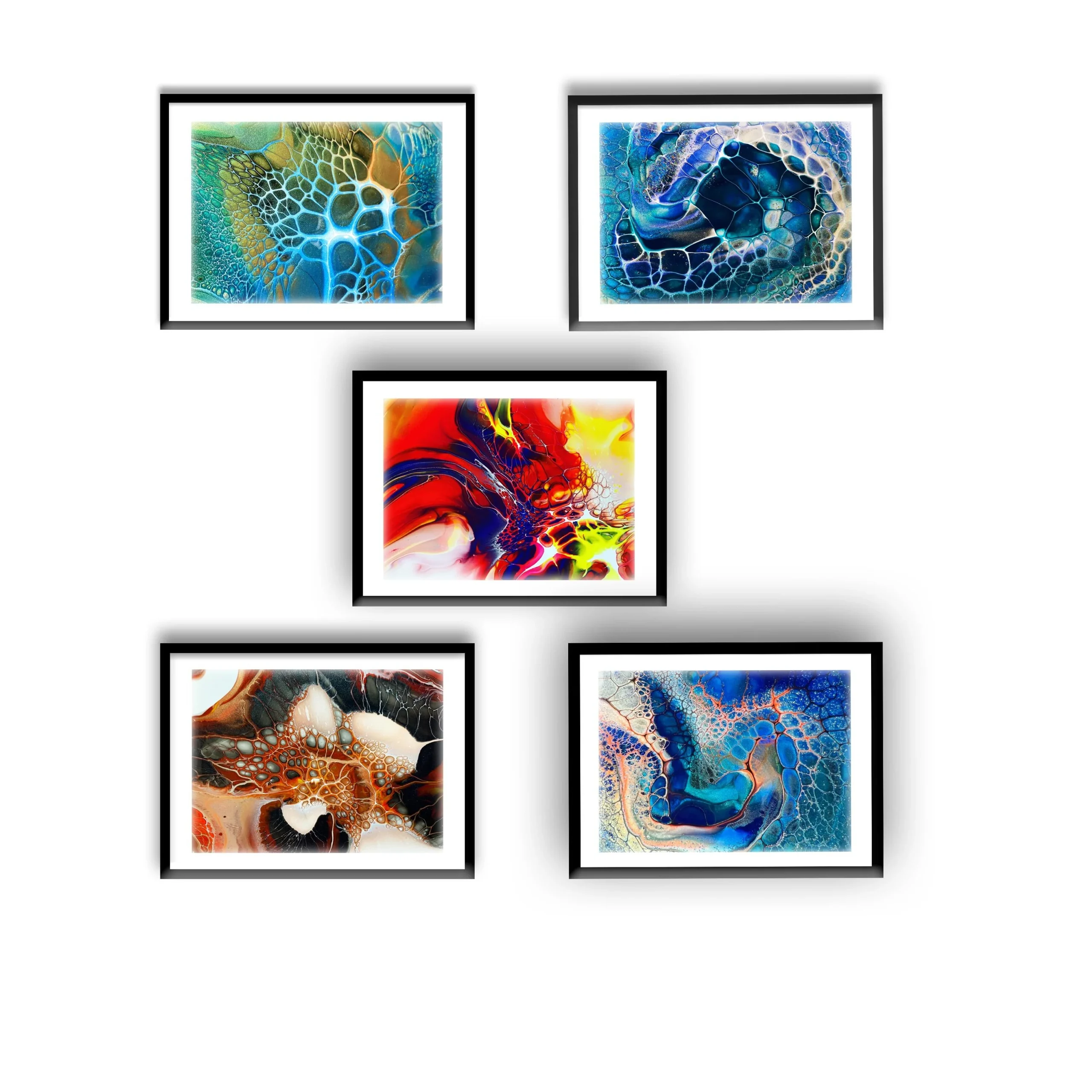
📷 Photo by mattgurneyart.com
Understanding the Print-on-Demand Workflow
Print-on-demand (POD) is a business model that allows artists to sell custom-designed products without upfront costs. When a customer buys an item from your website, the order is automatically sent to the POD provider. They print your artwork onto the chosen product, package it, and ship it directly to the customer under your brand name. This removes the logistical burden of warehousing and shipping, allowing you to focus entirely on the creative process.
The primary advantage for artists is the elimination of financial risk. You do not need to invest in printing equipment or bulk inventory that might not sell. Instead, you pay for the cost of the item only after a sale has been completed, resulting in a sustainable, low-overhead business model that scales alongside your growing audience.
Essential Comparison of POD Integration Methods
Choosing the right technical foundation is the most critical decision for your shop. You can either use a hosted e-commerce platform that offers native POD integration or build a custom store using plugins on platforms like WordPress.
| Integration Type | Best For | Technical Effort | Scalability |
|---|---|---|---|
| Hosted Platforms (Shopify) | High-volume sales | Low | High |
| Plugin-based (WooCommerce) | Custom branding control | Medium | High |
| Marketplaces (Redbubble/Etsy) | Beginners | Very Low | Low |
Step-by-Step Guide to Launching Your Shop
Setting up your shop requires careful attention to file preparation and platform synchronization. Follow these steps to ensure a seamless integration between your art and your customers’ hands.
- Prepare Your Digital Assets: Ensure your artwork is high-resolution, typically 300 DPI, and saved in the correct color profile (sRGB or CMYK as specified by your provider) to prevent pixelation or color shifting during the printing process.
- Select a POD Provider: Choose a fulfillment partner based on their product range, printing quality, and shipping locations. Order samples of your own work first to verify that the final product meets your professional standards.
- Connect Your Website: If using a platform like Shopify or WooCommerce, install the corresponding POD application or plugin. Follow the platform’s authentication prompts to link your store, which allows the provider to automatically pull order data.
- Configure Product Listings: Upload your designs to the provider’s dashboard and map them to specific products like t-shirts, posters, or canvas prints. Set your retail prices carefully to cover the base production cost, shipping fees, and your desired profit margin.
- Test the Checkout Flow: Perform a dummy purchase or use the provider’s test mode to ensure that orders are correctly routed to the fulfillment center and that customer notifications are triggering as expected.
Common Pitfalls and How to Avoid Them
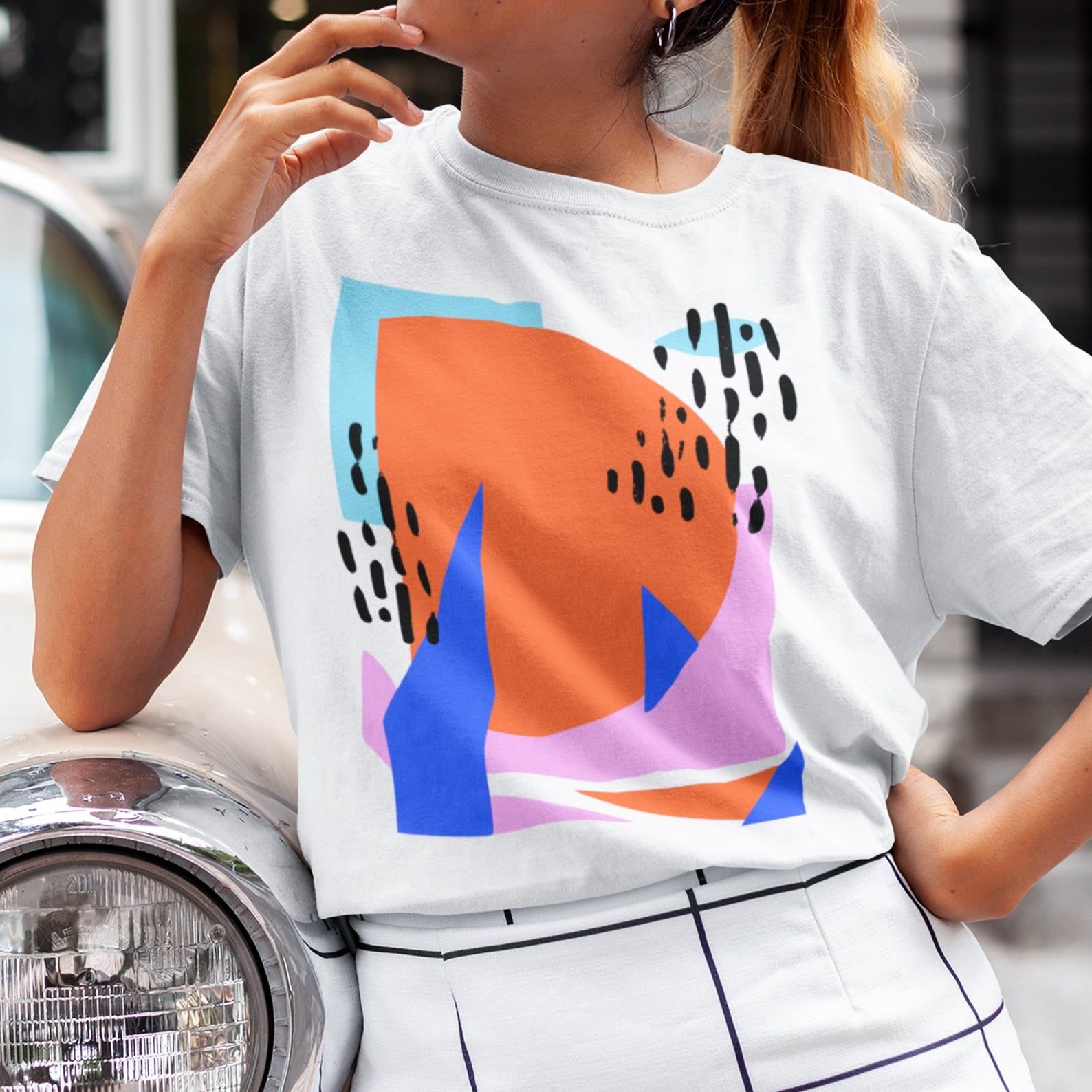
Many artists fail because they neglect the technical nuances of product mockups. Relying solely on the default mockups provided by fulfillment services can make your store look generic. Instead, create custom lifestyle mockups that show your art in real-world settings. This helps customers visualize the size and quality of the product, significantly increasing conversion rates.
Another frequent mistake is ignoring shipping costs. Always research the shipping rates from your provider to various regions. If you offer free shipping to stay competitive, you must bake the shipping cost into your product price. Failure to calculate these margins accurately is the most common reason artists lose money on POD ventures.
Managing Quality Control and Branding
The biggest risk in POD is the lack of direct oversight over the final product. Because you are not packing the items yourself, you lose the ability to include a personalized handwritten note or custom packaging. To mitigate this, look for POD providers that offer branded shipping labels or custom packing slips. These small touches reinforce your brand identity even when the physical labor is outsourced.
Furthermore, be mindful of the “bleed” area on your product designs. Printing services often require a margin around the edge of the design to ensure that if the printer is slightly off-center, the final product does not have an unsightly white border. Always check the provider’s template guidelines for every specific product type.
Frequently Asked Questions
Q: Does my website need to be complex to support POD?
A: Not at all. A simple, clean, and mobile-responsive website is actually better for conversion. As long as your site supports a standard e-commerce plugin or API, it can handle professional-grade POD fulfillment.
📷 Photo by pinterest.com
Q: How do I handle customer returns or damaged goods?
A: Most reputable POD providers have policies for misprinted or damaged items. You should create a clear return policy on your website that instructs customers to contact you first, after which you can initiate a claim with your fulfillment partner.
Q: Is it better to sell on my own site or a marketplace?
A: Selling on your own website allows you to keep your customer data and brand identity, whereas marketplaces provide built-in traffic but take a larger commission and offer less customization. For long-term growth, owning your website is the superior strategy.
Final Thoughts on Scaling
Once your shop is operational, focus on marketing your art rather than managing the store. Because the fulfillment is automated, your time is best spent driving traffic through social media, email newsletters, and content marketing. As your sales grow, you can easily add more product categories, such as apparel, home decor, or stationery, with just a few clicks in your provider’s dashboard. This agility is the true power of the print-on-demand model for independent artists.
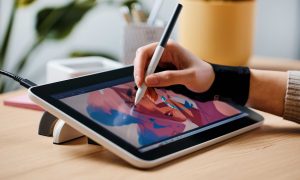
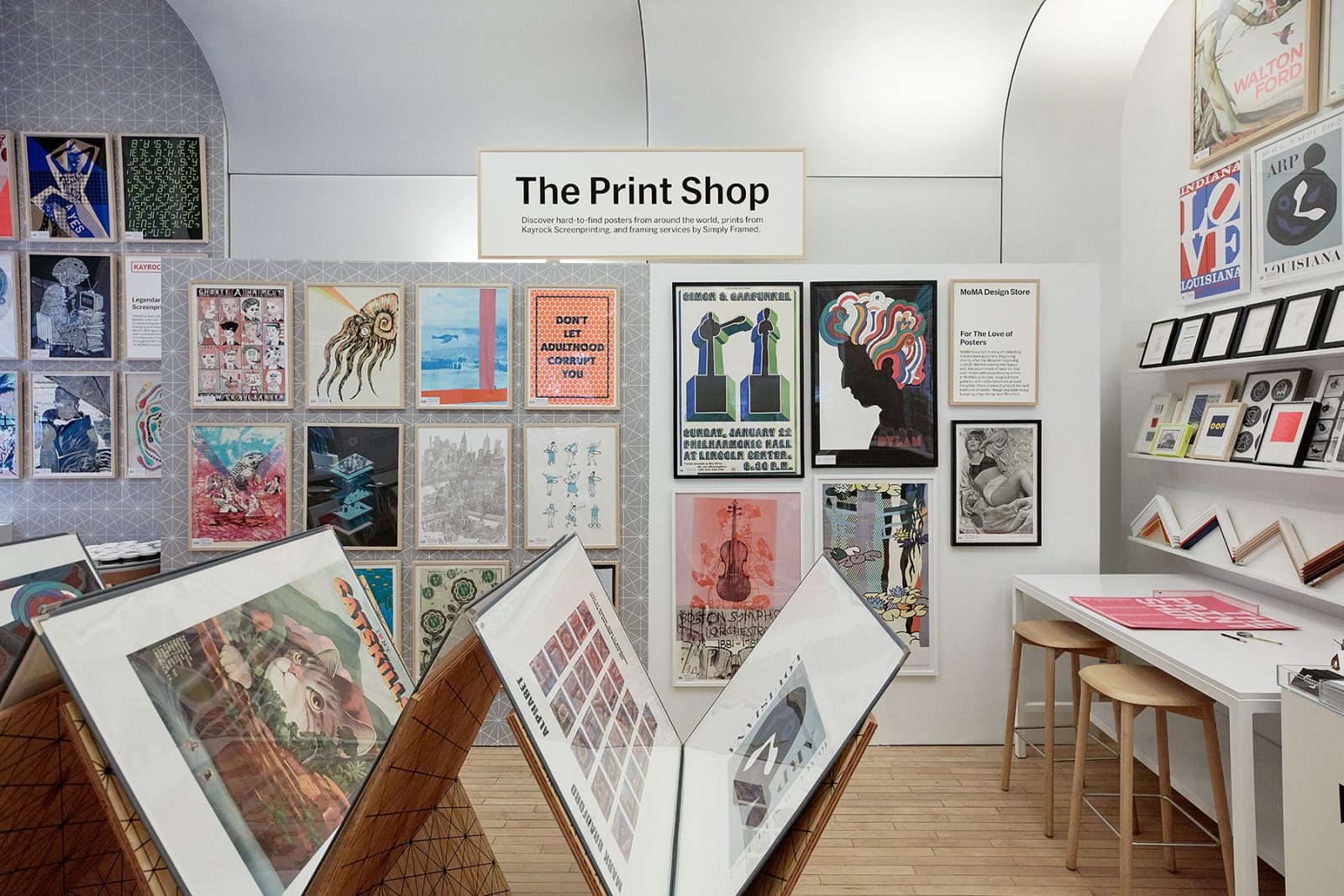
📷 Photo by surfacemag.com