






Innerspark.us – Balancing commercial work and personal art on a single website requires a strategic split-screen approach where you use a clear, navigation-based categorization to separate your professional portfolio from your creative experiments without diluting your brand identity.
Many creative professionals fear that showing personal projects alongside high-stakes commercial work will make them appear unfocused or unprofessional. However, the opposite is often true: personal art provides a human element that showcases your unique voice, artistic range, and potential for innovation. The key is structural organization—ensuring that a corporate client looking for a logo design does not get lost in your abstract oil paintings or experimental poetry.
The Philosophy of the Hybrid Portfolio
Your website is a tool for conversion, not just a gallery. Commercial clients visit your site to determine if you can solve a specific business problem, while art enthusiasts or potential collaborators visit to understand your creative soul. When you mix these audiences, you must guide them through distinct pathways. If the landing page is too chaotic, the commercial client may leave because they cannot quickly identify your expertise. If the site is too corporate, you lose the opportunity to showcase the “why” behind your work.
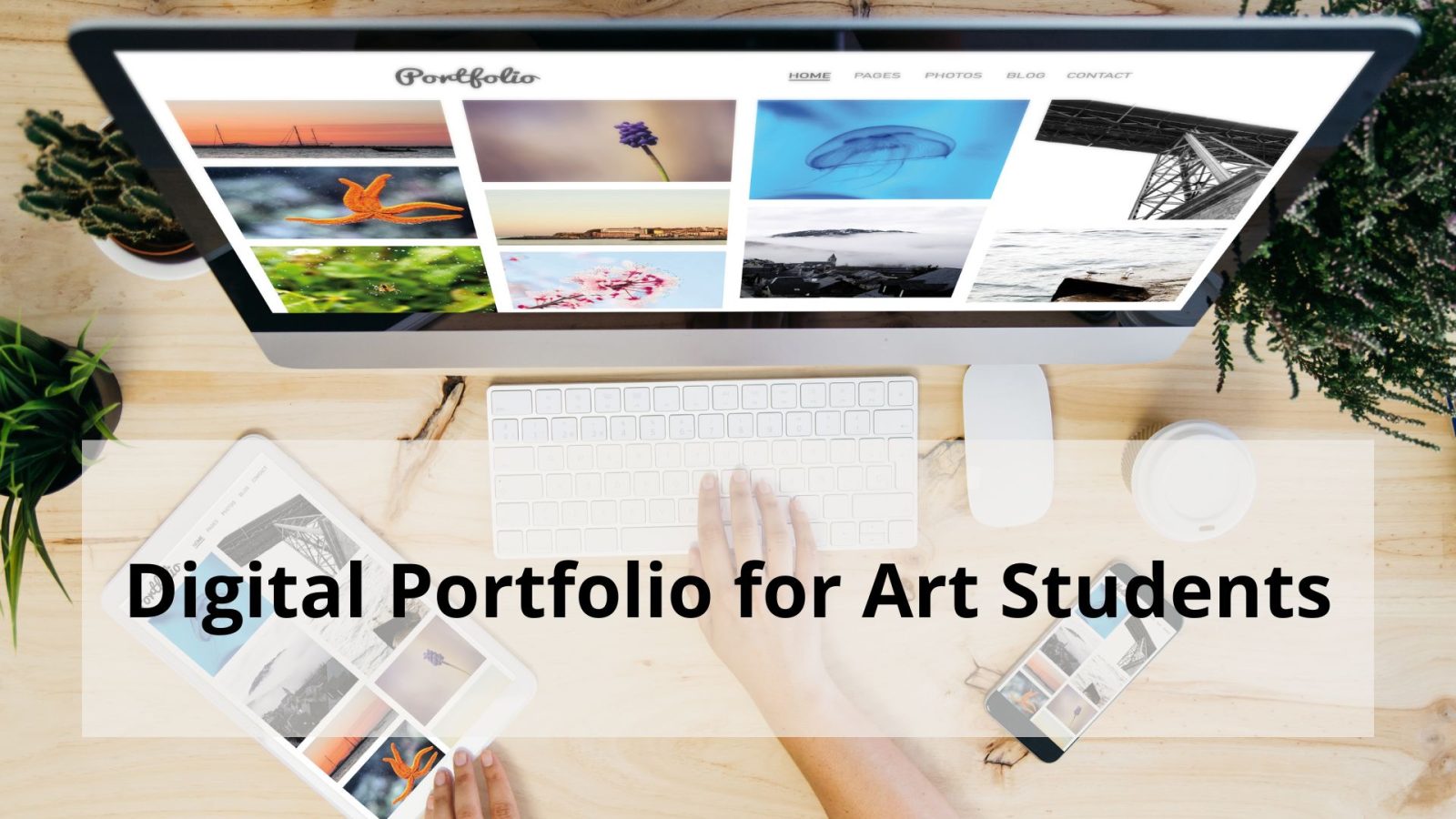
The most successful portfolios use a “Dual-Path” navigation system. By keeping the top-level menu clean and distinct—for example, labeling tabs as “Commercial Services” and “Personal Projects”—you allow the user to self-select their experience based on their intent.

📷 Photo by hida.co.in
📷 Photo by ob.thelittlethai.co.uk
Structuring Your Content
Organization is the primary defense against brand dilution. You should treat your website as two separate departments within the same house. Use consistent typography and color palettes throughout the site to maintain a unified aesthetic, but change the tone of the copy to match the work being presented. Commercial work should be accompanied by case studies that focus on results, timelines, and problem-solving, whereas personal work should be accompanied by artist statements that focus on inspiration and technique.
Here is a breakdown of how to categorize your content effectively:
| Feature | Commercial Work | Personal Art |
|---|---|---|
| Primary Goal | Conversion and Lead Generation | Brand Storytelling and Expression |
| Key Metrics | ROI, Deliverables, Client Success | Concept, Medium, Artistic Vision |
| Target Audience | Business Owners, Agencies, HR | Galleries, Collectors, Peers |
| Call to Action | Request a Quote / Contact Form | Newsletter Signup / Social Media |
Steps to Seamless Integration
Integrating these two worlds requires more than just a menu change; it requires a deliberate workflow. Follow these steps to ensure your website remains professional while honoring your creative side:
- Define your primary objective: Determine which side of your work pays the bills and prioritize that in your site structure. If commercial work is the priority, it should be the default landing page.
- Create distinct “landing” pages: Do not dump all your work on one page. Create a dedicated landing page for commercial services that highlights your professional process, and a separate gallery page for personal art.
- Curate with extreme prejudice: Only include personal art that aligns with the quality level of your professional work. If your personal art is messy or lacks technical refinement, it may damage your professional credibility.
- Use consistent branding: Use the same font hierarchy and button styles across both sections. This creates a psychological link that tells the visitor that both the commercial and personal work come from the same expert hand.
- Write tailored copy: Use professional, benefit-driven language for commercial work. Use evocative, descriptive, and personal language for your artistic projects.
Common Mistakes to Avoid
One of the most frequent errors is the “Everything Everywhere” approach. This happens when a designer puts a link to a political blog post, a commercial graphic design project, and an experimental photography portfolio on the same landing page. This confuses the visitor. If a potential client feels confused, they will click away. Another mistake is failing to provide context. Never post an image of personal art without a short explanation of what it is and why it matters. Without context, visitors might mistake a personal project for a failed client attempt.
The Role of the Blog or “About” Page
Your “About” page is the perfect bridge between your commercial and personal work. This is where you can unify your identity. Explain that your artistic experiments inform your professional problem-solving. Clients often find it fascinating that their graphic designer also paints or that their web developer writes fiction; it makes you a more well-rounded, creative thinker. Use this space to demonstrate that your personal art is not a distraction, but rather a catalyst for the creative energy you bring to their projects.
Maintaining Balance Over Time
As you grow, your balance may shift. You might reach a point where your personal art becomes your primary income source, or your commercial work demands 100 percent of your time. Regularly audit your website every six months. If a specific section of your site is no longer receiving traffic or no longer reflects your current goals, be brave enough to hide it or move it to a dedicated sub-domain. Your portfolio is a living document, not a museum exhibit that must be preserved in its entirety.
Q: Will my personal art make me look less professional to corporate clients?
A: Not if it is curated well. High-quality personal work can actually prove that you have a deep passion for your craft, which is a major selling point for clients looking for creative partners.
Q: Should I use separate social media accounts for my commercial and personal work?
A: It depends on your volume. If you post daily, separate accounts are better. If you post occasionally, a single account that highlights your “creative process” across both sectors can build a stronger, more authentic personal brand.
Q: How do I handle potential clients who only want the “personal” style for a commercial project?
A: This is an opportunity for a premium, custom service. Clearly state that your artistic style is available for commercial commissions, but emphasize that it requires a custom scope and budget, separate from your standard commercial packages.

📷 Photo by freepik.com
Ultimately, the goal is to make your website an extension of your personality. By organizing your work with care and providing clear pathways for different types of visitors, you ensure that you are not just a service provider, but a creative professional with a unique and valuable perspective.
📷 Photo by skyryedesign.com