




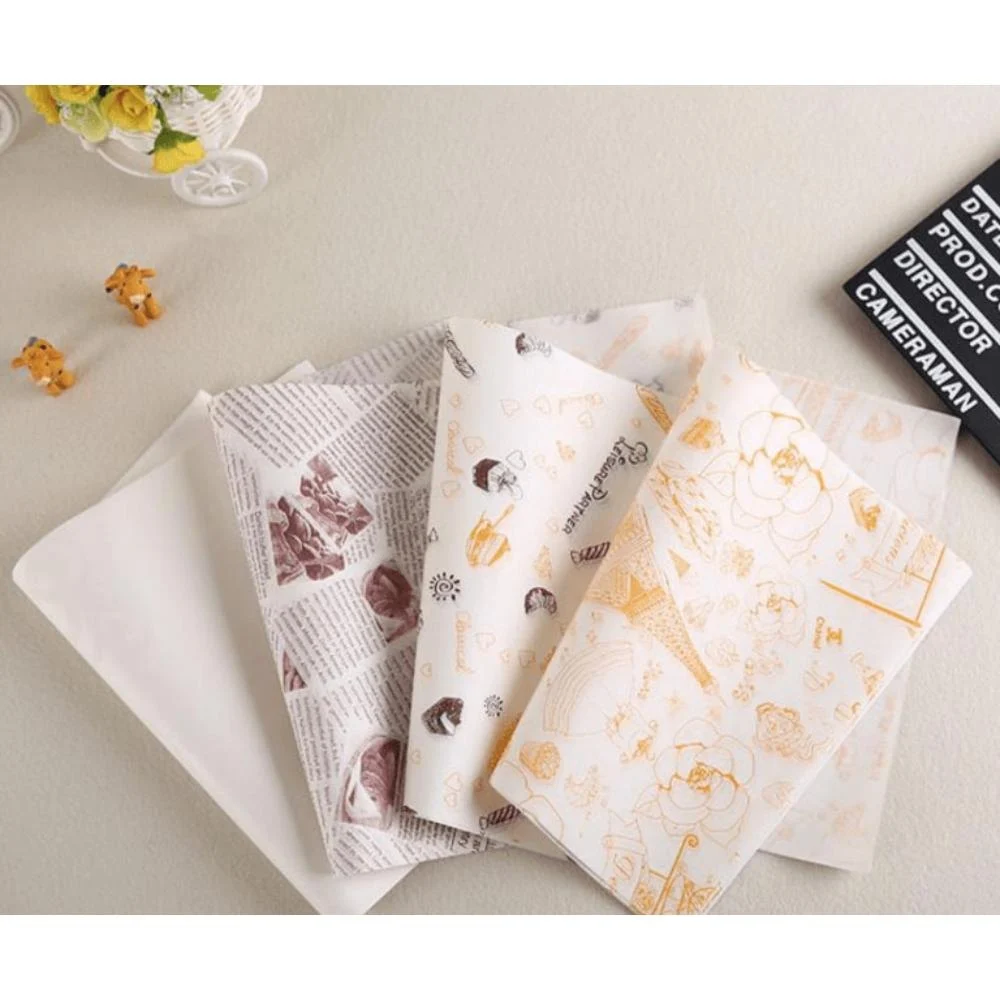
Innerspark.us – Archival glassine paper serves as a pH-neutral, acid-free barrier that prevents physical abrasions and chemical migration between stacked photographic prints or delicate artworks. By interleaving your collection with this translucent, non-stick material, you effectively eliminate the risk of surface sticking, ink transfer, and micro-scratches caused by environmental fluctuations.
Understanding the Role of Glassine in Preservation
Glassine is a specialized, glazed paper manufactured to be exceptionally smooth, dense, and translucent. Unlike standard tissue paper, which may contain wood pulp or acidic buffering agents that can yellow over time, archival glassine is chemically stable. Its primary function in an archival setting is to act as a protective “skin” that separates fragile surfaces from the friction of other prints or the harmful off-gassing of storage materials.
When you stack photographic prints—especially those with glossy or matte finishes—the humidity in the air can cause the gelatin or inkjet receptor layers to become tacky. Over time, these surfaces can fuse together, leading to permanent damage when you try to separate them. Glassine provides a slick, non-porous barrier that prevents this adhesion while remaining breathable enough to avoid trapping moisture.
Why Standard Paper is Not a Substitute
Many collectors mistakenly use household tissue or construction paper to protect their archives. This is a common error that often leads to irreversible degradation. Standard papers contain lignin, an organic polymer that breaks down into acid. When this acid migrates to your prints, it causes yellowing, brittleness, and the breakdown of image dyes. Archival glassine is specifically treated to be acid-free and unbuffered, making it the industry standard for archival storage.
Comparison Table: Protective Interleaving Materials
| Material | Archival Quality | Texture | Best Use Case |
|---|---|---|---|
| Archival Glassine | High (pH Neutral) | Smooth/Glossy | Photographic prints, oil paintings |
| Acid-Free Tissue | High | Soft/Fibrous | Textiles, delicate garments |
| Standard Bond Paper | Low (Acidic) | Rough | Discard/Temporary notes only |
| Polyester Sleeves | Highest (Inert) | Clear/Rigid | Long-term individual storage |
Step-by-Step Guide: Interleaving Your Prints Effectively
Proper interleaving requires a clean environment and careful handling to ensure you do not introduce oils from your skin onto the prints. Follow these steps to maximize the longevity of your collection.
Read also: Best Drawing Tablet for Vector Illustration and Adobe Illustrator
- Prepare a clean, flat workstation. Wash and thoroughly dry your hands or wear cotton inspection gloves to prevent fingerprint oils from transferring to the paper or the prints.
- Measure your glassine sheets. Ensure the glassine is slightly larger than the print, but not so large that it creates excess bulk, which can cause uneven pressure in storage boxes.
- Place the first print face-up on a flat surface. Position the glassine sheet directly over the image, ensuring it covers the entire surface area of the print.
- Stack the next print on top of the glassine layer. Ensure the prints are aligned perfectly; shifting prints can cause the edges of the glassine to cut into the paper if the stack is heavy.
- Repeat the process until the stack is complete. Avoid stacking more than 20 to 30 prints at a time to prevent excessive weight, which can cause indentations on the bottom prints.
- Store the stack in an archival-grade box. Keep the box in a climate-controlled environment, ideally between 65 to 70 degrees Fahrenheit with 30-50 percent humidity.
Common Mistakes and Preventive Tips
One of the most frequent mistakes is using tape or adhesives to attach glassine to the print. Never use tape inside an archival storage box, as the adhesive will eventually fail, turn yellow, and leave a permanent stain on the print. If you need to keep the interleaving sheet in place, use a photo-safe corner mount or simply rely on the weight of the stack.
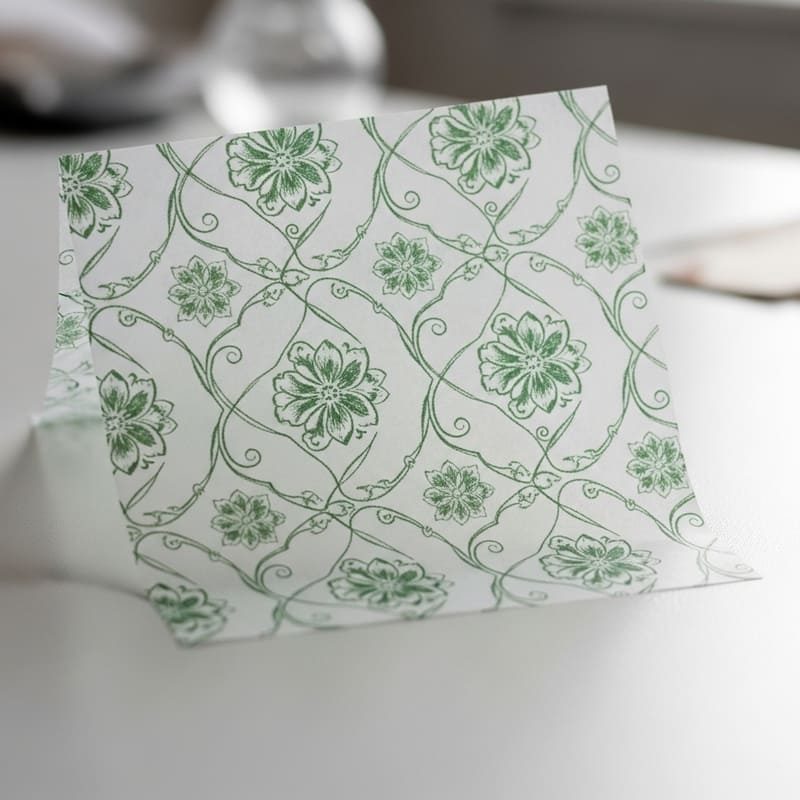
📷 Photo by thecardboardboxes.co.uk
Another issue is “cockling,” which happens when the glassine is exposed to rapid changes in humidity and expands or contracts at a different rate than the print. Always ensure your storage boxes are kept away from exterior walls, radiators, or damp basements. If you notice the glassine appearing wavy or wrinkled, check your environment immediately for moisture spikes.
The Importance of Surface Protection
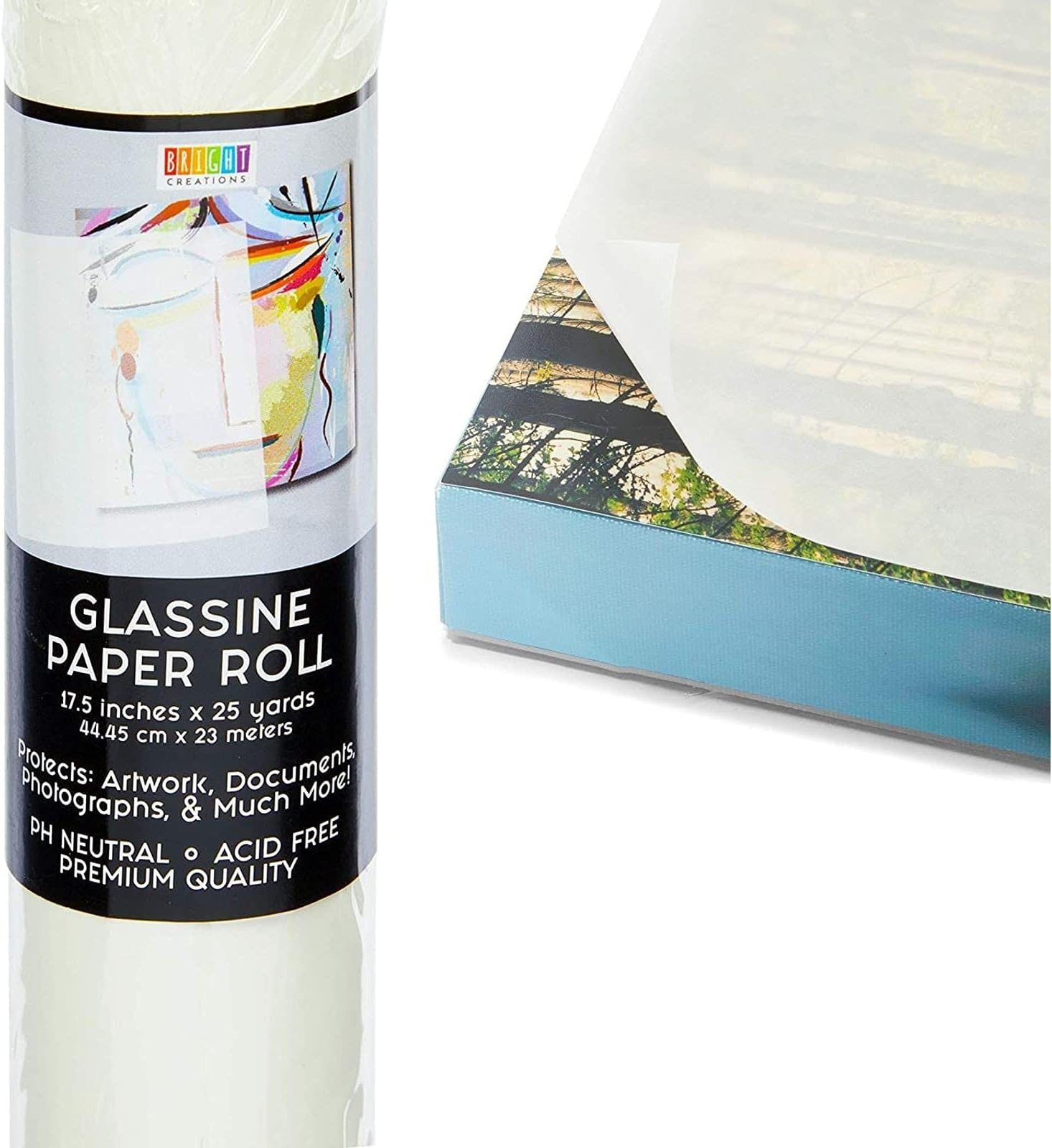
📷 Photo by amazon.com
Photographic prints, particularly those printed on baryta or fiber-based papers, are highly susceptible to “ferrotyping.” This is a condition where the surface becomes glossy or marred due to prolonged contact with a non-breathable material under pressure. Glassine helps mitigate this by providing a slight buffer, though it is always recommended to store prints in an upright position (vertically) if possible to reduce the pressure exerted on the bottom prints.
Frequently Asked Questions
Q: Does glassine paper eventually expire or need replacing?
A: While archival glassine is chemically stable, it can physically degrade over decades. If the paper becomes brittle, torn, or yellowed, it is time to replace it to ensure it continues to provide a safe barrier.
Q: Can I use glassine for original artwork like charcoal or pencil drawings?
A: It is generally discouraged. The smooth surface of glassine can cause smudging on friable media like charcoal or soft pastel. For such artworks, it is better to use a protective overlay that does not touch the surface, or use acid-free tissue paper with a soft texture.
Q: Is there a difference between “archival” glassine and regular glassine?
A: Yes. Regular glassine used in food packaging may contain additives or acidic components. Always verify that your glassine is labeled as “acid-free” or “archival-safe” before using it for long-term storage of valuable prints.
By investing in high-quality glassine and following proper interleaving techniques, you provide your collection with a significant layer of defense against the elements. Preservation is not just about the quality of the materials you choose, but about the consistency and care you apply during the storage process.
📷 Photo by indiamart.com