



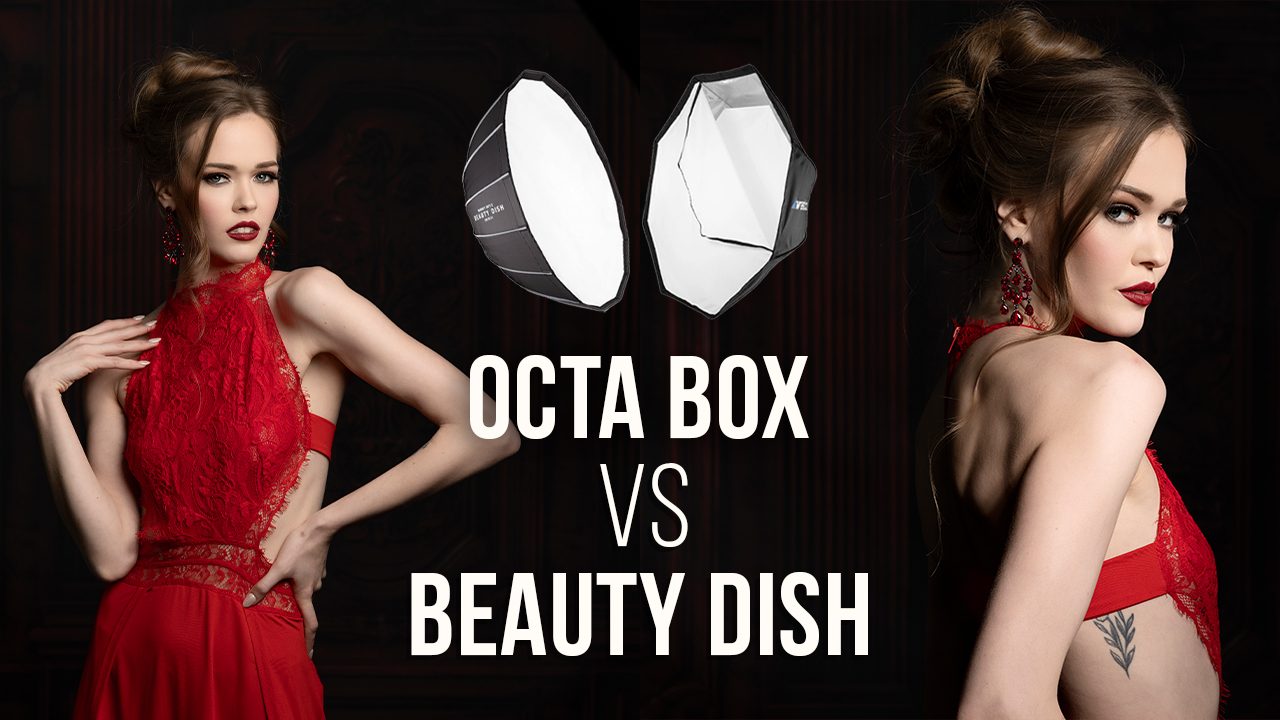
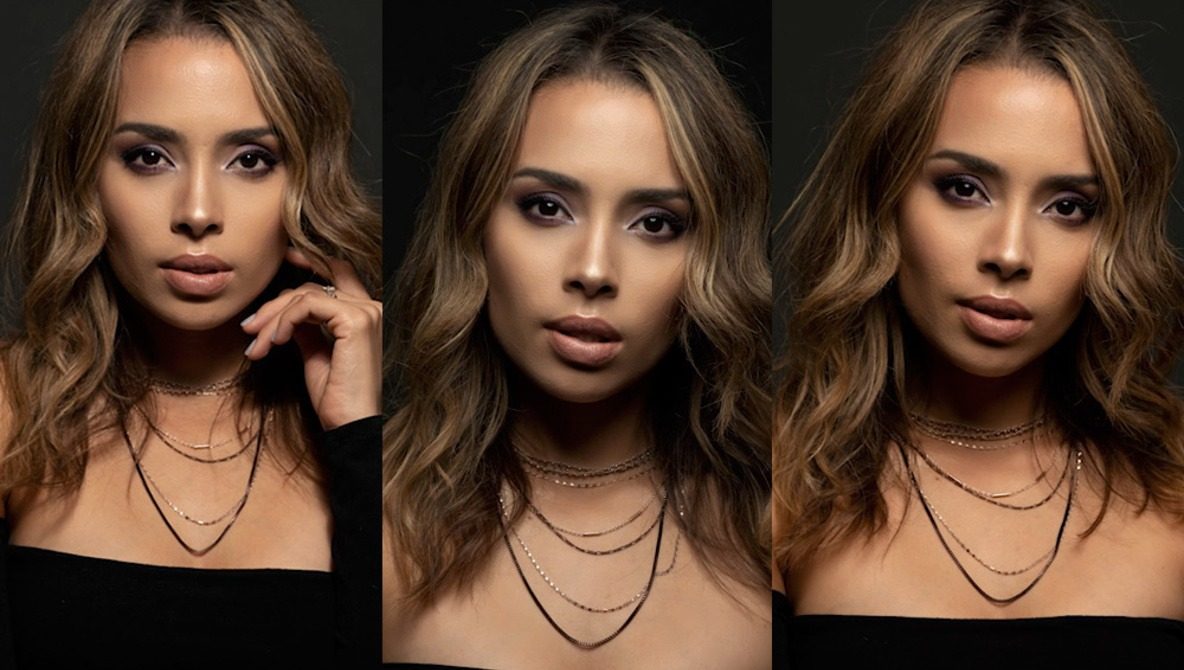
Innerspark.us – A beauty dish provides a punchy, high-contrast light with defined shadows perfect for fashion and portraiture, whereas an octabox offers a softer, more diffused light that mimics natural window illumination for a flattering, wrap-around effect.
Choosing the right light modifier is often the difference between a flat, amateur-looking photograph and a professional, high-end commercial image. When working in the studio, the shape and internal coating of your modifier dictate how light interacts with your subject’s skin texture, facial structure, and the overall mood of the scene.
The Beauty Dish: Precision and Texture
The beauty dish is a staple in the beauty and fashion industry for one primary reason: texture. Because of its rigid, bowl-shaped design and a central deflector plate, it forces light to bounce back into the modifier before hitting the subject. This creates a unique light quality that is neither fully hard nor fully soft.
The light from a beauty dish is directional and crisp. It emphasizes bone structure, makes eyes pop, and brings out the fine details of makeup and skin. However, it is not very forgiving. If your subject has uneven skin texture or if your lighting angle is off, the beauty dish will highlight every imperfection. It is a tool of intent, used when you want the subject to look sharp, defined, and glamorous.
The Octabox: Softness and Versatility
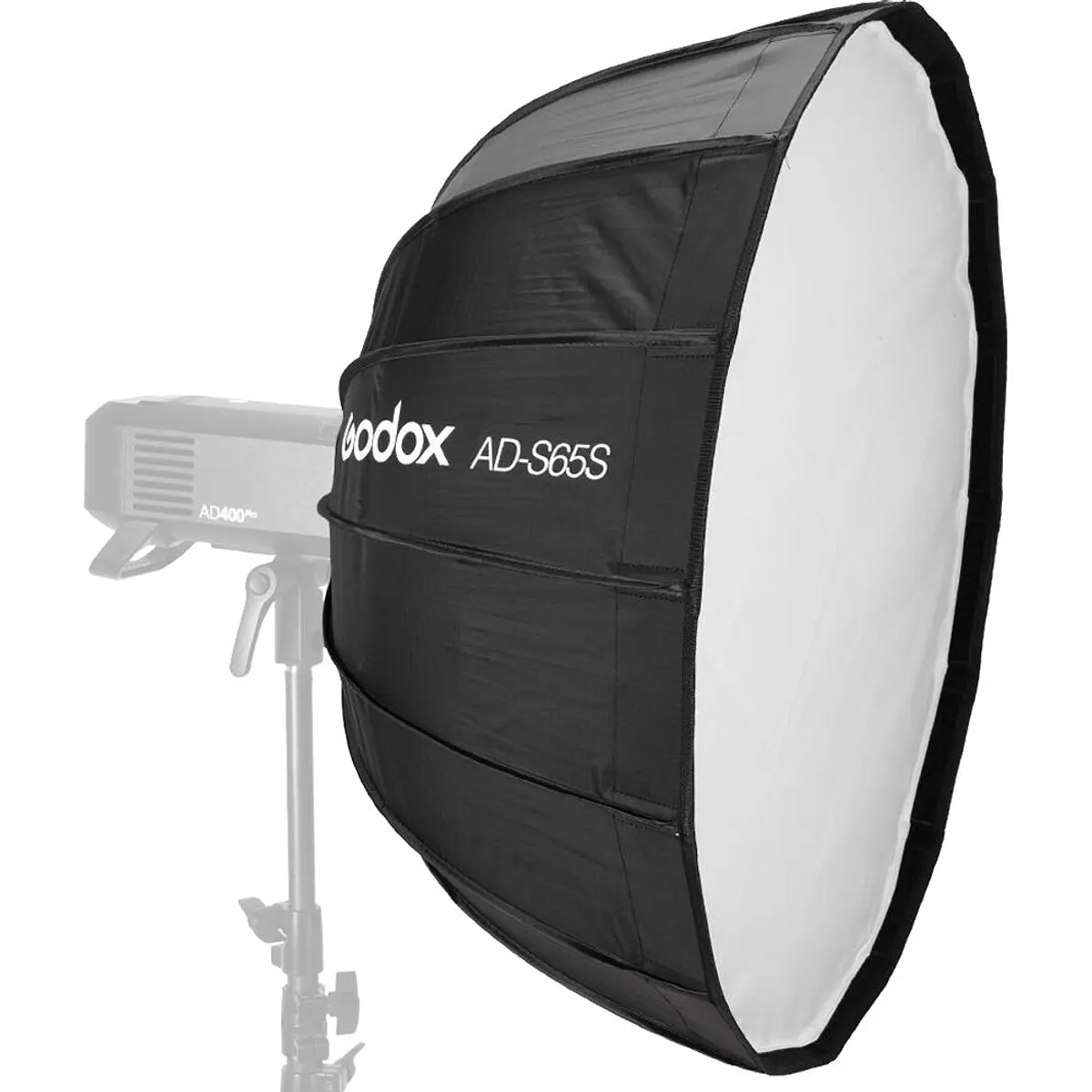
An octabox is a large, soft light source that excels at creating a beautiful, subtle fall-off. Its octagonal shape is designed to mimic the round catchlights found in human eyes, making the subject appear more natural and approachable. Unlike the beauty dish, the octabox uses diffusion fabric to scatter light rays, resulting in a buttery smooth transition between highlights and shadows.
Because the light source is typically larger than a beauty dish, it wraps around the subject’s face effectively. This reduces the prominence of skin blemishes and creates a soft, ethereal glow. It is the go-to modifier for bridal photography, child portraiture, or any scenario where you want to minimize the need for heavy post-production skin retouching.
Comparison Table: When to Use Which
| Feature | Beauty Dish | Octabox |
|---|---|---|
| Light Quality | Crisp, punchy, defined | Soft, diffused, gentle |
| Shadow Transition | Abrupt, high contrast | Smooth, gradual |
| Best Application | Fashion, Beauty, Fitness | Portraits, Lifestyle, Bridal |
| Skin Texture | Emphasizes detail | Hides imperfections |
| Portability | Bulky, rigid | Collapsible, lightweight |
How to Choose the Right Modifier for Your Shoot
Selecting between these two modifiers requires you to analyze your subject and the story you are trying to tell. If you are shooting a fitness model and want to accentuate muscle definition, the punchy light of a beauty dish is superior. If you are shooting a corporate headshot where the client wants to look approachable and soft, the octabox is your best friend.
Follow these steps to determine the best setup for your next studio session:
- Evaluate the subject’s skin: If the subject has significant skin texture or acne, choose the octabox to soften the light and reduce the need for extensive retouching.
- Define the mood: Ask yourself if the image should feel edgy and dramatic (Beauty Dish) or soft and inviting (Octabox).
- Consider the distance: A beauty dish requires precise distance to work effectively; if you move it too far away, it loses its unique punch. An octabox maintains a consistent look even at varying distances.
- Check the catchlights: If the circular reflection in the eyes is a priority for the brand or style, the octabox provides a more natural, rounded catchlight compared to the potentially ring-shaped reflection of a beauty dish.
Common Mistakes to Avoid
One of the most common errors photographers make is using a beauty dish without a grid. Without a honeycomb grid, the beauty dish can spill light everywhere, washing out the shadows and losing the “punch” that makes the modifier special. Always use a grid if you want to maintain control over where the light falls.
📷 Photo by picslabstore.cl
Another mistake is assuming that bigger is always better with an octabox. While a massive octabox creates beautiful light, it can be cumbersome in a small studio space. If your room is small, the light will bounce off the walls and ceilings, effectively negating the soft quality of the modifier by creating unwanted fill light. Always match the size of your modifier to the size of your working environment.
The Importance of Internal Coatings
The interior color of your modifier also changes the output. A silver-lined beauty dish will be much more aggressive and high-contrast, while a white-lined beauty dish will be significantly softer and more neutral. Similarly, octaboxes with silver interiors are more efficient, meaning they provide more light output, which is useful when shooting at higher shutter speeds or lower ISOs to freeze motion.
Ultimately, neither modifier is “better” than the other. They are tools in your creative arsenal. Master both, and you will have the flexibility to handle any portrait request that comes through your studio door.
Q: Can I achieve a beauty dish look using an octabox?
A: Not exactly. You can remove the front diffusion panel of an octabox to make the light harder, but because the octabox lacks the central deflector plate of a beauty dish, the light will never have that signature “punchy” quality and distinct shadow transition.
Q: Does the size of the modifier affect the light softness?
A: Yes. The larger the modifier relative to the subject, the softer the light will be. A 5-foot octabox will create significantly softer shadows than a 2-foot beauty dish because the light source covers a larger surface area, wrapping around the subject more effectively.
Q: Which modifier is better for beginners?
📷 Photo by fstoppers.com
A: An octabox is generally more forgiving for beginners. Its soft light is flattering on almost any subject, and it is much easier to set up and transport than a rigid beauty dish.
Read also: Archival Canvas Paper vs Stretched Canvas: Print Quality Breakdown
📷 Photo by behindtheshutter.com